
Glutathione before your wedding: an honest 12-week plan
When to start, a week-by-week plan, and why to skip pre-wedding glutathione injections.
- Start a glutathione cream 10–12 weeks before the wedding, slowly at first, with daily sunscreen.
- Do not start new products, peels or bleach in the final two weeks.
- Skip glutathione injections and IV glow drips; they lack trials and carry warnings.
Is glutathione good before a wedding?
A glutathione cream can help tan and uneven tone look brighter if you start 8–12 weeks before the day and wear sunscreen daily. It will not change your natural skin colour, and glutathione injections, often sold as pre-wedding packages, are not recommended.
How many weeks before the wedding should I start glutathione cream?
Start 10–12 weeks before if you can. That leaves two weeks to build up slowly, about eight weeks for gradual results, and time to stop anything that irritates. Starting a new active cream in the last two weeks is risky.
Are glutathione injections safe before marriage?
There are no proper clinical trials showing glutathione injections are safe or effective for skin lightening, and health regulators have warned about them. Drips given outside a hospital can also carry infection risk. It is best to skip them, especially before a big day.
Read the warning: US FDA warning, 2015.
A week-by-week plan
| Weeks before | What to do |
|---|---|
| 12–11 | Patch test for 24 hours. Start the night cream 2–3 nights a week. Sunscreen every morning from now on. |
| 10–9 | If your skin is comfortable, use it every other night. |
| 8–3 | Every night if your skin is happy. Keep up sunscreen, sleep and water; avoid new products. |
| 2–1 | Keep the same routine. No new creams, peels, bleach or threading experiments. Book your last facial at least a week before. |
| The day | Your usual gentle routine. Let your makeup artist know which actives you use. |
Wedding this season? Your start date
Wedding season in India runs roughly from late November to February. Count back from your date:
| Wedding in | What that means from early November |
|---|---|
| Late November or December | Only 3–7 weeks left. Do not start a new retinol cream now if you have not used one before. Focus on sunscreen, a gentle cleanser, moisturiser and sleep (see the 4-week section below). |
| January | About 8–12 weeks: start now if your skin is not sensitive. Patch test, then 2–3 nights a week for the first fortnight. |
| February | You have the full 12 weeks. Start by mid-November and follow the plan above. |
| March or later | No rush. Start in December or January, ideally once the Diwali and wedding-function rush is over. |
Book threading and waxing 2–3 days before the haldi or wedding, not the day before, and keep the night cream off freshly waxed or threaded skin for a day or two. Tell your makeup artist which actives you use.
For grooms too
The same plan works for men. Shaving can make actives sting, so apply the night cream on shaved areas only once any razor irritation has settled, and use a fragrance-free moisturiser after shaving.
Only 4 weeks to go (or a function is close)?
A cream can make skin look fresher and smoother within a few weeks, but tan and spots need longer. Focus on daily sunscreen, a gentle cleanser like Gluta Boost Face Wash, sleep and a steady routine rather than anything strong or new.
What to avoid before the wedding
- Glutathione injections and IV "glow drips".
- Bleach creams and unlabelled "fairness" creams, which may contain steroids or mercury.
- A first-ever chemical peel in the final month.
- Lemon, baking soda or toothpaste on the face.
- Watanabe F, et al. Skin-whitening and skin-condition-improving effects of topical oxidized glutathione: a double-blind and placebo-controlled clinical trial in healthy women. Clin Cosmet Investig Dermatol. 2014.
- US Food and Drug Administration warning on injectable skin-lightening products, 2015 (as reported by MedEsthetics).
General information about cosmetic skincare, not medical advice. Results vary from person to person. See a dermatologist for persistent or changing pigmentation.
More glutathione guides
Glutathione: what it is, what it does for skin, and how to use it safely
The complete guide: what glutathione is, how it affects skin, every form compared, and the research.
GuideGlutathione: key facts and figures, with sources
The essential numbers on glutathione for skin in one place: studies, doses, timelines and safety, each with its source.
GuideGlutathione for dark underarms, knees and elbows: what helps
Why underarms, knees and elbows get darker, what glutathione can and cannot do there, and a gentle routine.
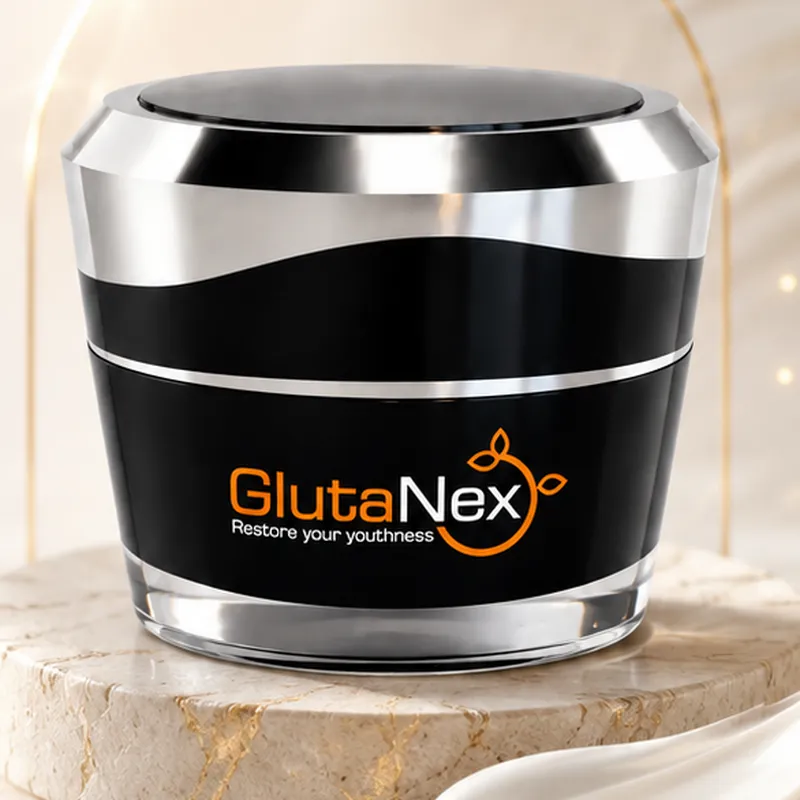 Night Cream
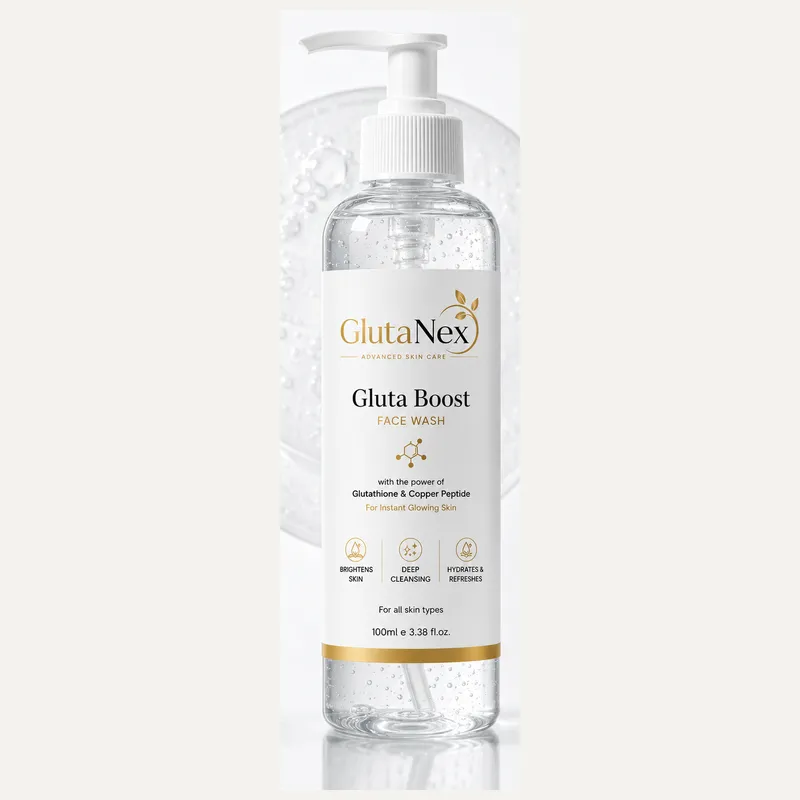 Face Wash
 Glow Duo
 Shower Gel
 Wash + Gel Combo
 Cream + Gel Combo
 Glow Trio
