
Hyaluronic acid and aloe vera in a body wash: what each ingredient does
What hyaluronic acid and aloe vera do in a shower gel, why they are popular in body washes, and what to expect from them in a product you rinse off.
What does hyaluronic acid do in a body wash?
Hyaluronic acid is a humectant: it attracts and holds water. In a body wash it helps the skin feel softer and less tight after cleansing. It does most of its work in leave-on products, because in a rinse-off wash it is on the skin for only a minute or two.
Is aloe vera good in a shower gel?
Aloe vera is a familiar plant ingredient used in skincare for a soothing, hydrating feel. In a shower gel it adds to a gentle, comfortable wash. A few people react to it, so patch test first.
Does a hyaluronic acid shower gel replace moisturiser?
No. Use a moisturiser after your shower. The gel helps the wash feel gentler, but a moisturiser stays on the skin and is what keeps it comfortable through the day.
Hyaluronic acid and aloe vera are two of the most common feel-good ingredients in modern body washes. They do not clean the skin, the cleansing agents do that, but they help a wash feel gentler and leave the skin softer. Here is what each does and how much to expect.
Hyaluronic acid at a glance
Hyaluronic acid (also listed as sodium hyaluronate) is a sugar-based molecule found naturally in skin. It can hold many times its weight in water, which makes it a humectant. On the skin it draws water in and helps skin look smoother and plumper for a while. It is covered in more detail in our guide to glutathione and hyaluronic acid.
Aloe vera at a glance
Aloe vera gel comes from the leaf of the aloe plant, which is common in Indian homes. In skincare it is used for a cooling, soothing, hydrating feel, and it is a popular base for gels. It does not treat skin conditions, and sunburn or irritation that does not settle needs a doctor.
What they can and cannot do in a rinse-off wash
| Hyaluronic acid | Aloe vera | |
|---|---|---|
| What it is | A humectant that holds water | A plant gel used for a soothing feel |
| In a shower gel | Helps skin feel softer and less tight after washing | Adds to a gentle, comfortable wash |
| Works best as | A leave-on serum or moisturiser | A leave-on gel or lotion |
| Watch out for | Needs moisture around it; apply on damp skin | Rare allergic reactions; patch test |
The short version: both help a shower gel feel better, but neither replaces a moisturiser. That is the right expectation for any rinse-off product.
Who benefits from this kind of shower gel
- People who often feel tight or dry after a shower, especially in winter or with hard water.
- Anyone who finds foaming, fragranced washes too harsh.
- People who want one gentle daily wash for the whole family, as long as they patch test.
How to get the most from it
- Use lukewarm water. Hot water removes the skin's natural oils faster than any wash.
- Use a small amount. More gel does not clean better and can dry the skin.
- Rinse well and pat the skin dry instead of rubbing.
- Moisturise within a few minutes, while the skin is still slightly damp.
- Wear sunscreen on any skin that will be out in the sun.
GlutaNex Aqua Fresh Shower Gel lists glutathione, hyaluronic acid and aloe vera on its label. It is launching soon. For a full face and body routine, see our face and body routine guide.
Common mistakes
- Using the body wash on your face. See face wash vs shower gel.
- Skipping moisturiser because the wash "has hyaluronic acid".
- Scrubbing hard with a loofah, which damages the skin barrier.
- Expecting a shower gel to change skin colour. It will not.
When to see a doctor
See a doctor for a rash that does not settle, very dry or cracked skin, or any reaction to a new product. A wash is a cosmetic, not a treatment.
General information about cosmetic skincare, not medical advice. Results vary from person to person. See a dermatologist for persistent or changing pigmentation.
More glutathione guides
Glutathione: what it is, what it does for skin, and how to use it safely
The complete guide: what glutathione is, how it affects skin, every form compared, and the research.
GuideFace wash vs shower gel: why you should not swap them
The real differences between a face wash and a shower gel, why face skin needs a gentler cleanser, and what to use where.
GuideA face and body routine with glutathione: morning and night, step by step
A simple morning and night routine for face and body with a glutathione face wash, shower gel and night cream, in the right order, with sunscreen.
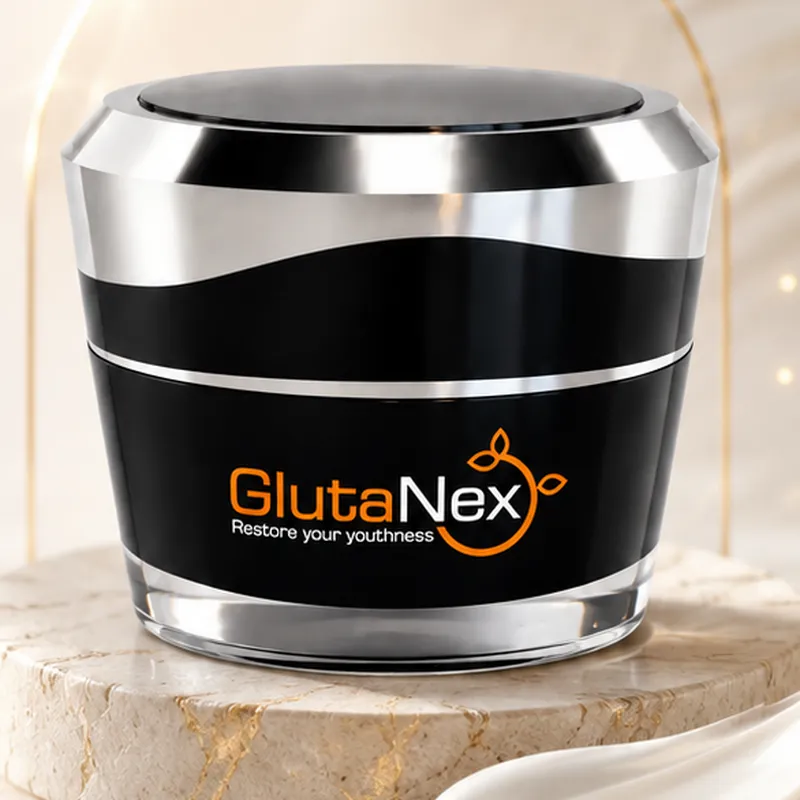 Night Cream
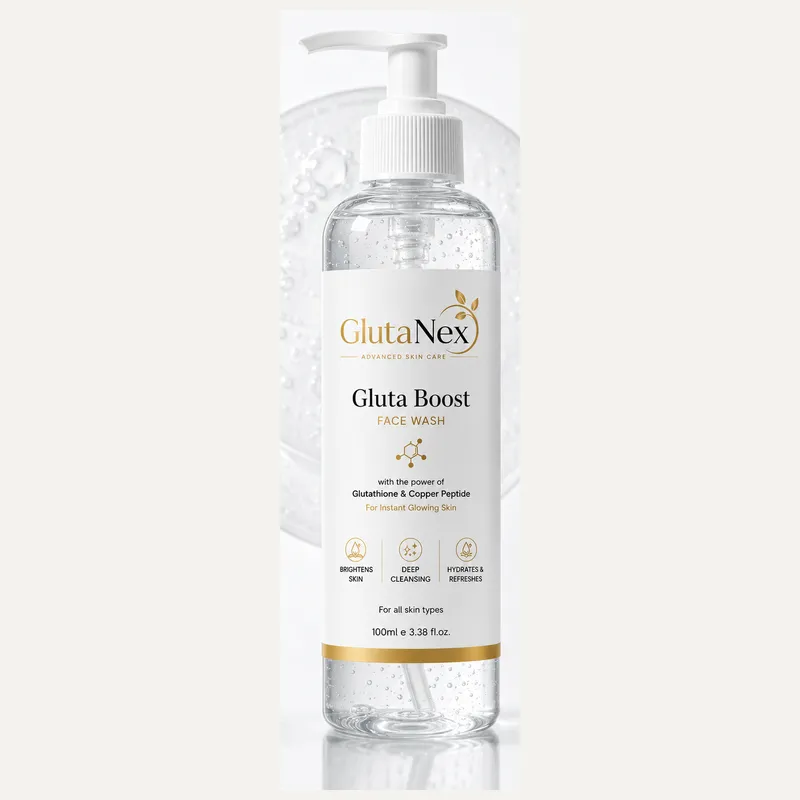 Face Wash
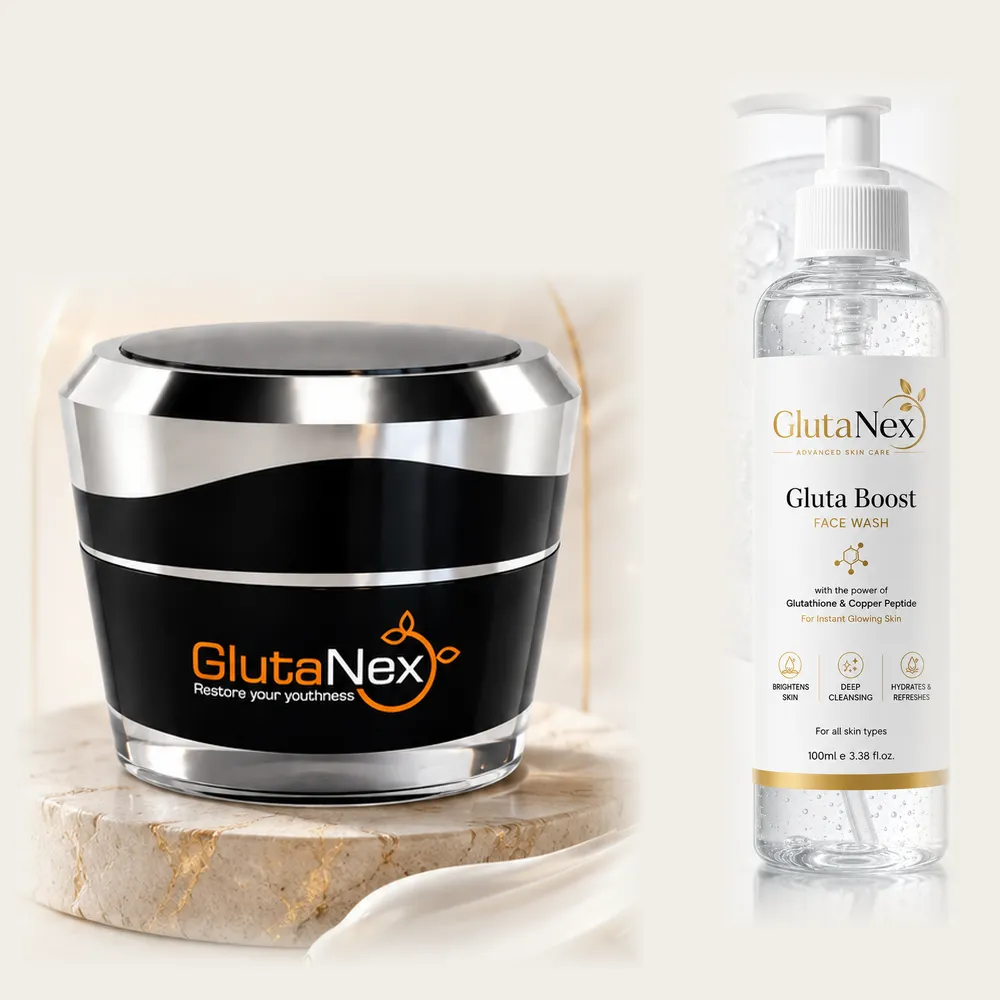 Glow Duo
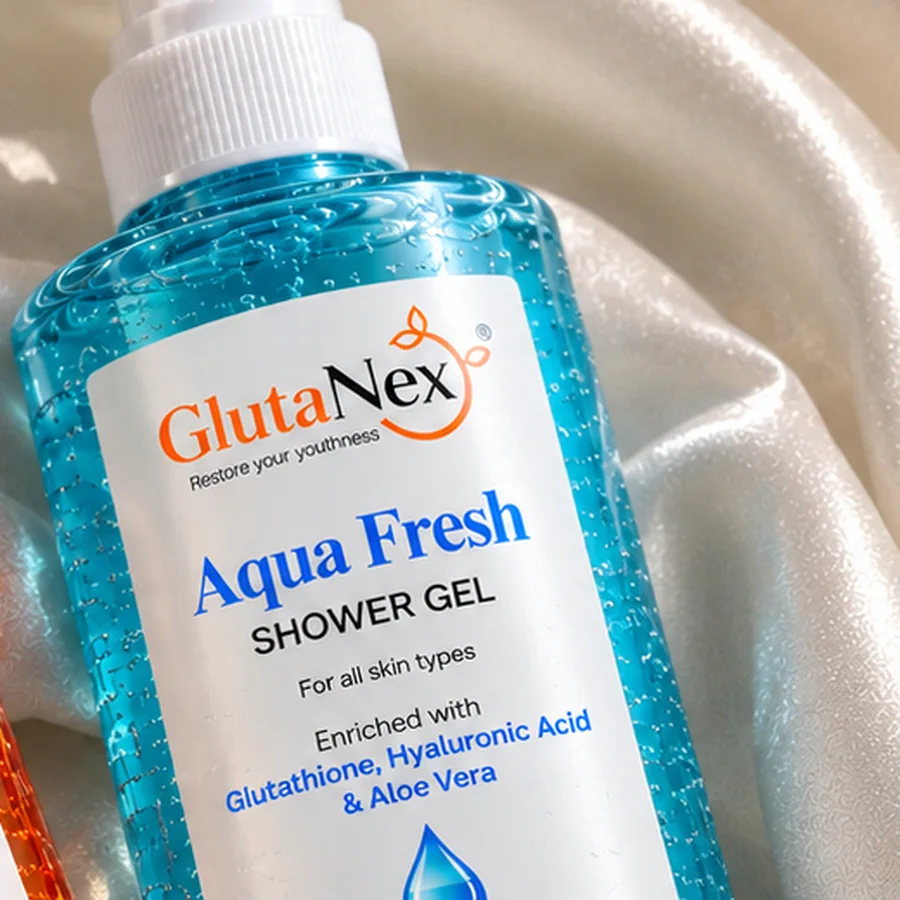 Shower Gel
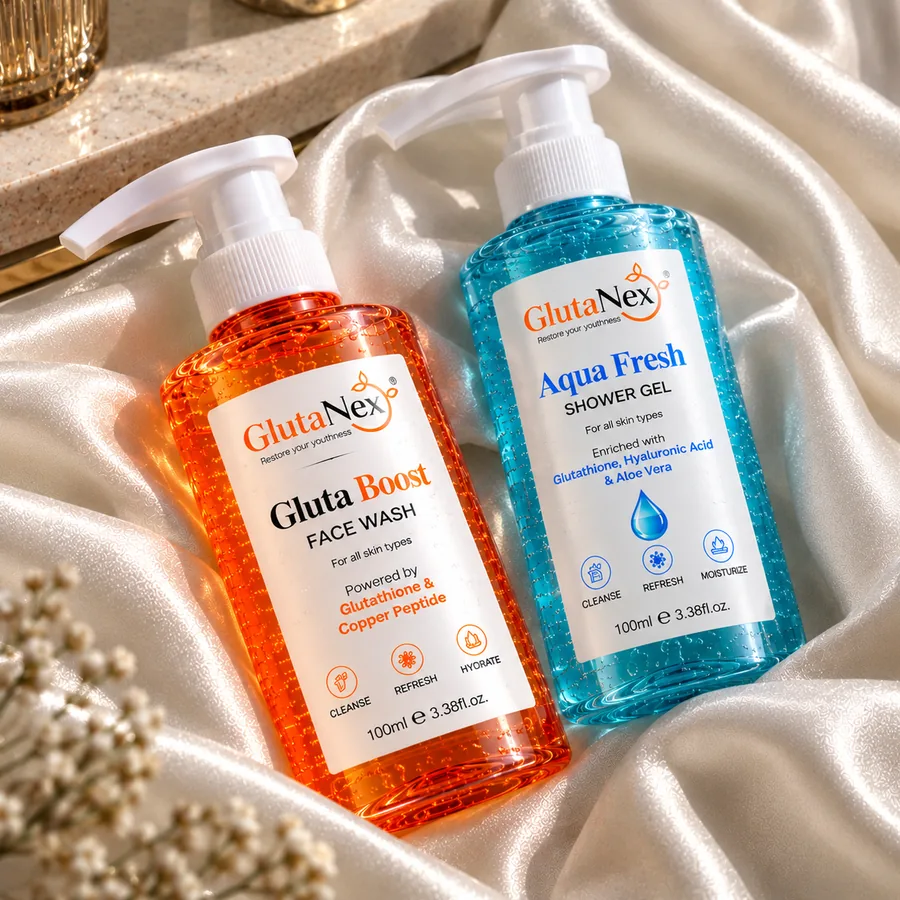 Wash + Gel Combo
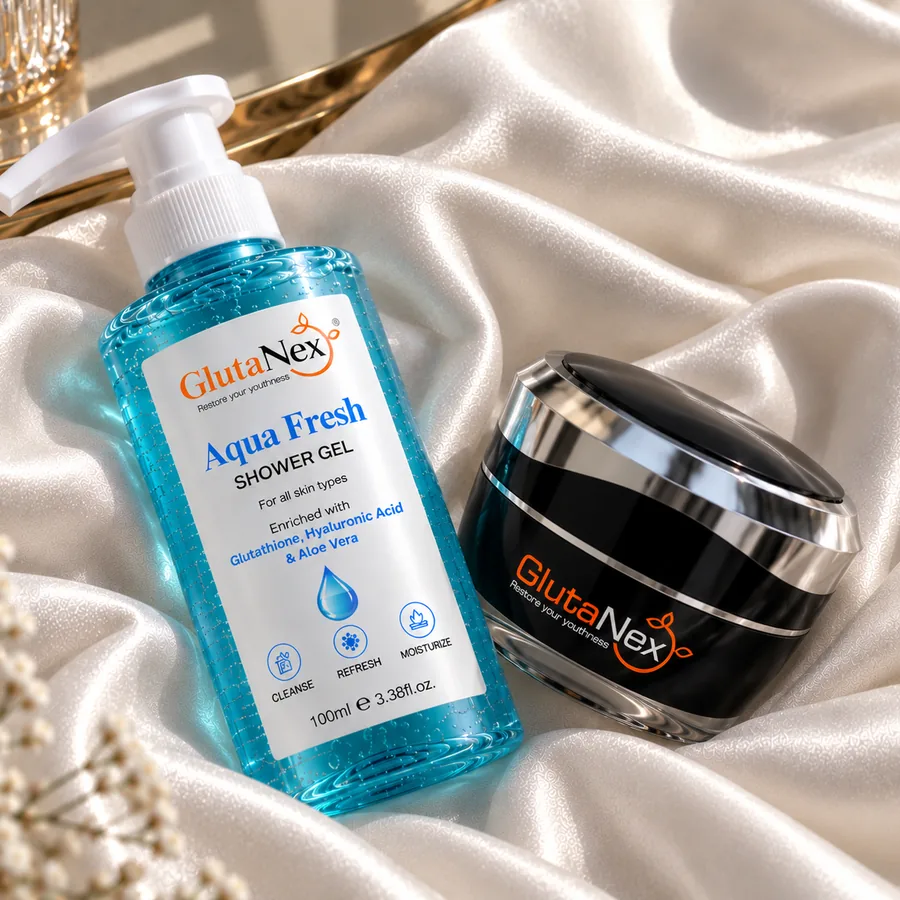 Cream + Gel Combo
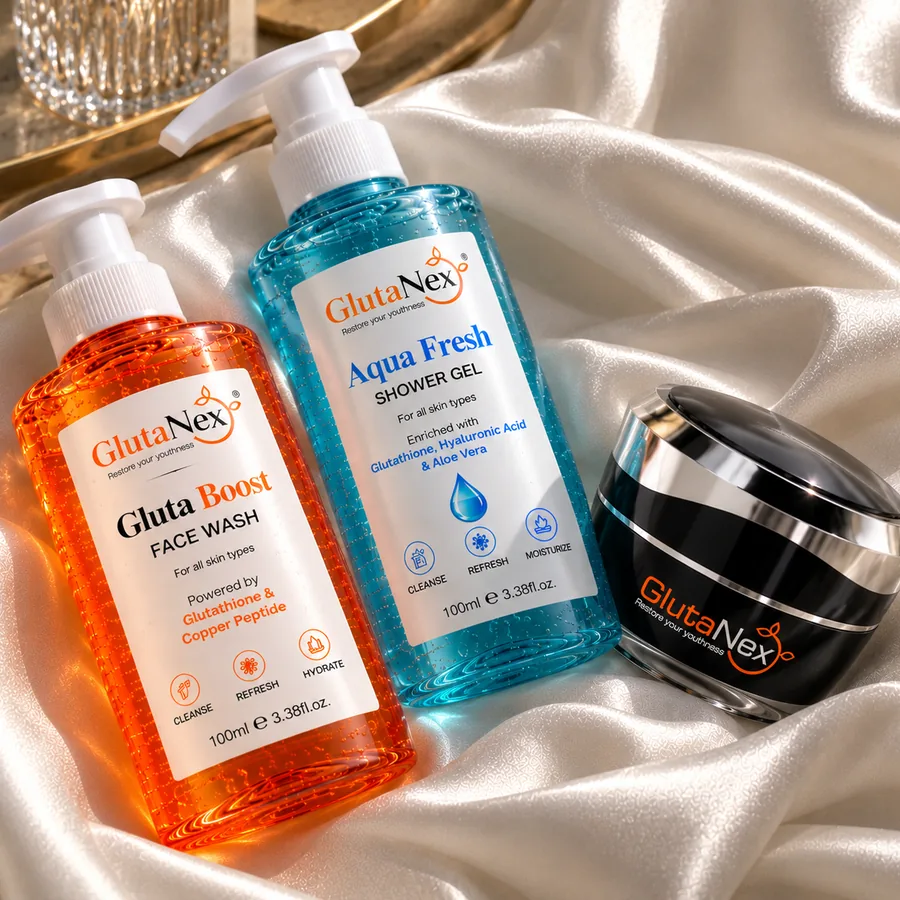 Glow Trio
