
Anti-ageing night cream for women over 35: what to look for and how to start
Which ingredients matter after 35 (retinol, peptides, ceramides, niacinamide), how to start without irritation, and realistic results.
What should a night cream for women over 35 contain?
A retinoid such as retinol for fine lines and texture, peptides and ceramides for the skin barrier, niacinamide for dullness, and hyaluronic acid for hydration.
Is retinol safe after 35?
For most adults, yes, used at night and started slowly, 2 to 3 nights a week. Avoid it during pregnancy or breastfeeding.
How long does an anti-ageing night cream take?
Softer, more hydrated skin in 2 to 4 weeks; smoother texture and finer-looking lines in 8 to 12 weeks with daily sunscreen.
After 35, skin renews more slowly and holds less moisture, so fine lines, dullness and uneven tone show more. A good night cream works on all three while you sleep, and daily sunscreen protects the progress.
Ingredients that matter after 35
| Ingredient | What it does |
|---|---|
| Retinol | Speeds up renewal for smoother texture and softer-looking fine lines |
| Peptides | Support firmer-looking, smoother skin |
| Ceramides | Strengthen the skin barrier, so retinol is easier to tolerate |
| Niacinamide | Helps dullness and uneven tone |
| Glutathione and vitamin C | Antioxidants for a brighter, more even look |
| Hyaluronic acid | Holds moisture for a plumper feel |
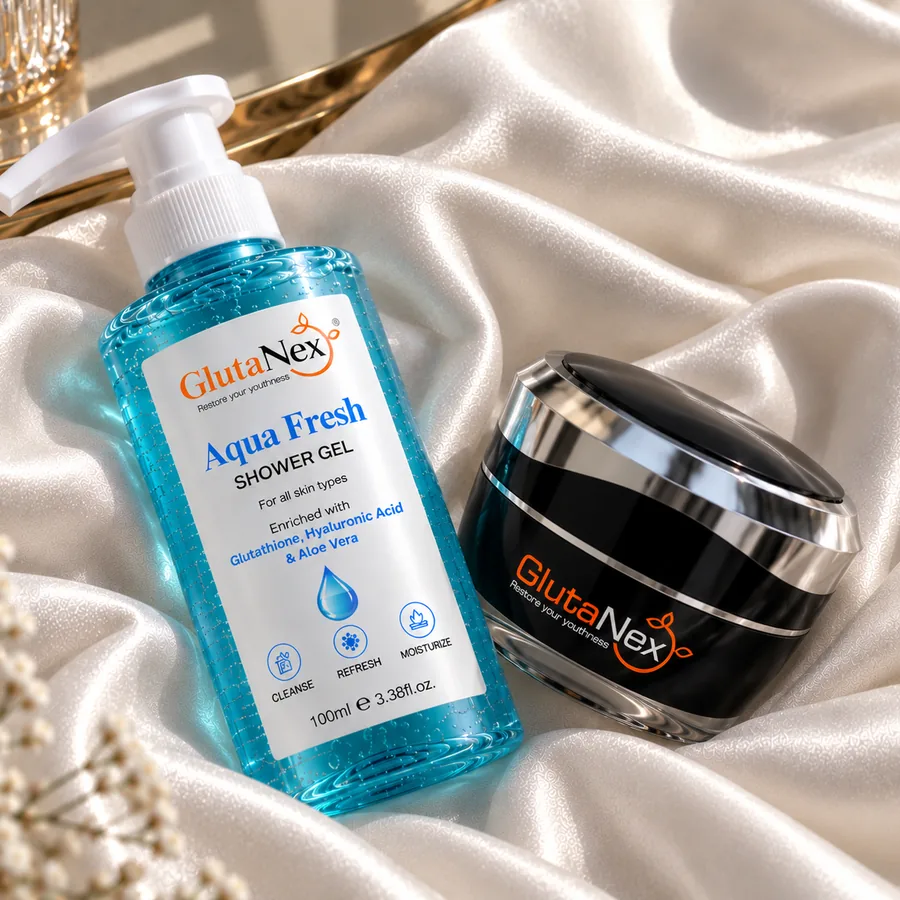
GlutaNex Glutathione Night Cream combines all of these in one 30 g jar, for ₹2,499.
How to start
- Weeks 1 to 2: a pea-sized amount, 2 to 3 nights a week, on dry skin.
- Weeks 3 to 4: every other night.
- After that: most nights, if skin is comfortable.
- Every morning: sunscreen SPF 30+.
Who should wait
Skip retinol during pregnancy or breastfeeding, and ask a dermatologist first if you use prescription creams or have rosacea or eczema. Read more: glutathione night cream with retinol.
General information about cosmetic skincare, not medical advice. Results vary from person to person. See a dermatologist for persistent or changing pigmentation.
More glutathione guides
Glutathione: what it is, what it does for skin, and how to use it safely
The complete guide: what glutathione is, how it affects skin, every form compared, and the research.
GuideCorporate skincare gifts in India: Diwali, client and employee gifting
Why skincare makes a useful corporate gift, which set to choose for mixed teams, and how to order in bulk with delivery to one address or many.
GuideGlutathione cream with petroleum jelly: can you use both, and in what order?
Can you put petroleum jelly over glutathione cream? When a thin layer helps dry winter skin, why to avoid it over a retinol night cream in the first weeks, and who should skip it.
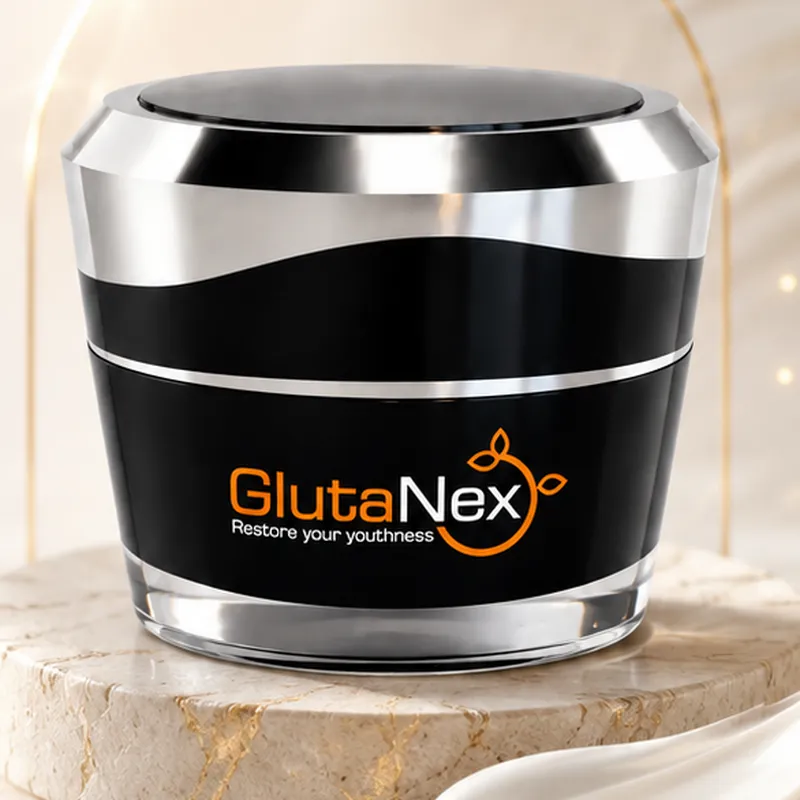 Night Cream
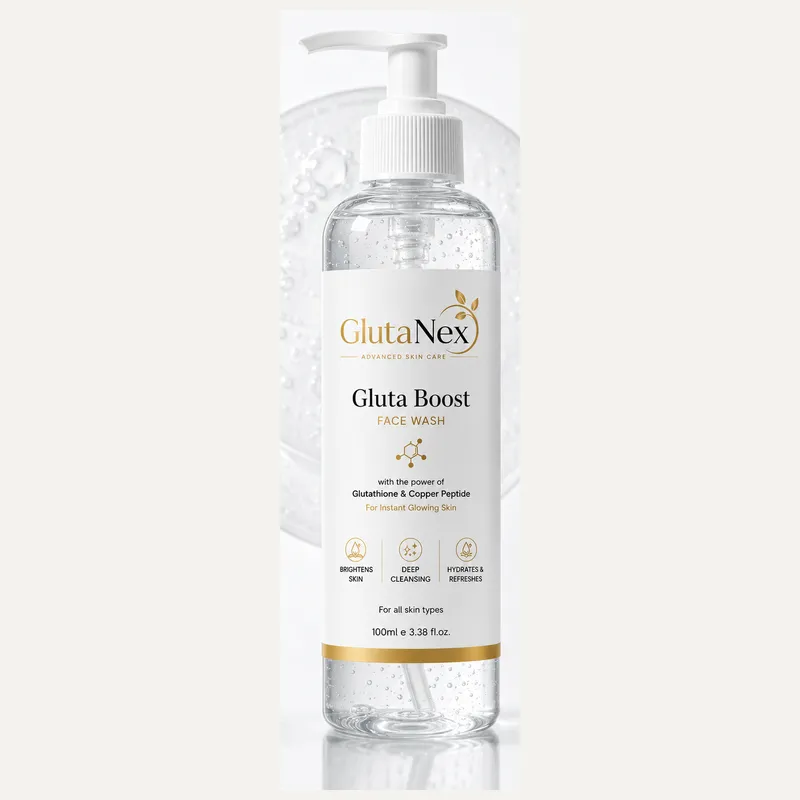 Face Wash
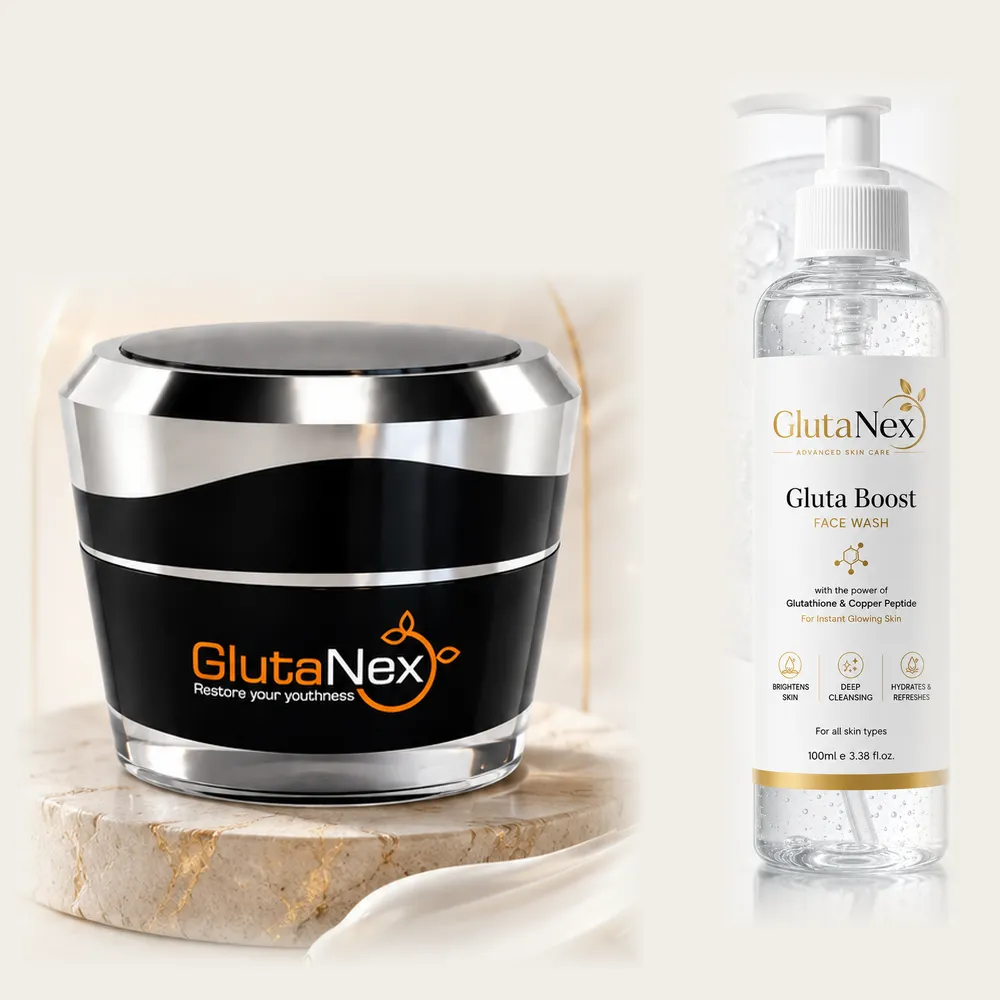 Glow Duo
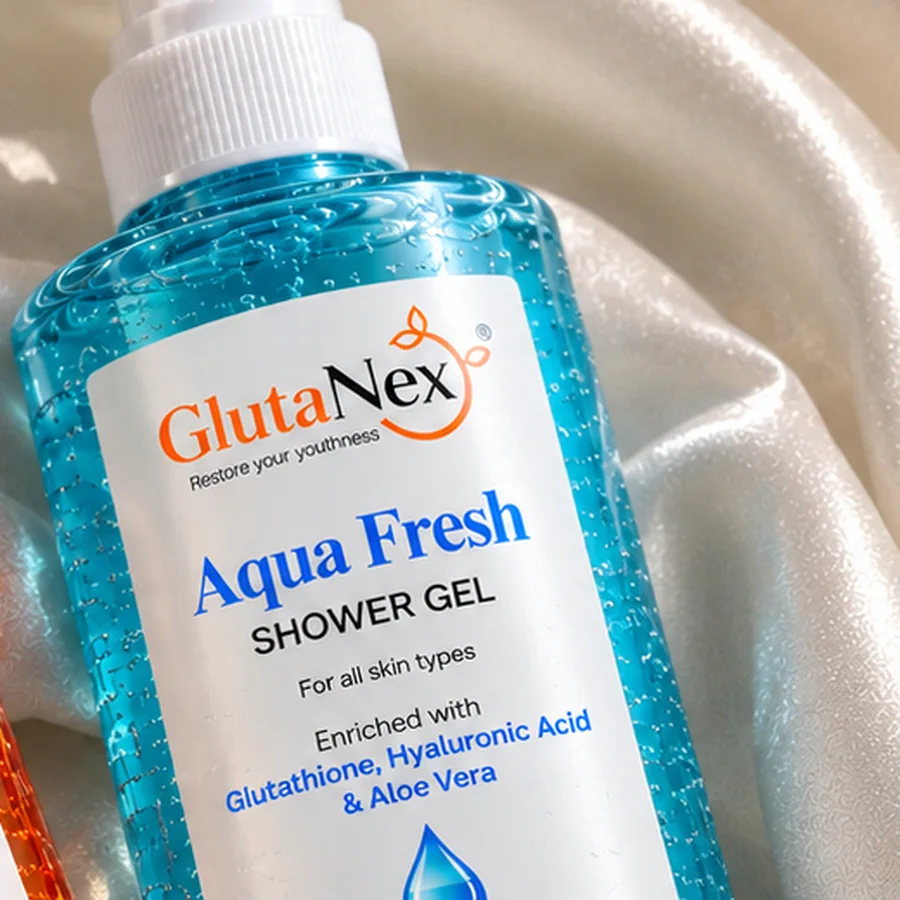 Shower Gel
 Wash + Gel Combo
 Cream + Gel Combo
 Glow Trio
