
Glutathione night cream with retinol: how the two work together, and how to start
Why a glutathione night cream with retinol suits a night routine, how to start without irritation, what not to mix it with, and who should skip it.
Can glutathione and retinol be used together?
Yes. They do different jobs and are often combined in one night cream: glutathione is an antioxidant for a brighter, more even look, and retinol helps skin renew and look smoother. Start slowly because retinol can cause dryness at first.
How often should I use a retinol night cream at first?
2 to 3 nights a week for the first 2 weeks, then every other night, then most nights if your skin is comfortable.
Who should not use a glutathione night cream with retinol?
Anyone pregnant, trying to conceive or breastfeeding, unless a doctor approves, and anyone already using a prescription retinoid such as tretinoin or adapalene.
A glutathione night cream with retinol combines an antioxidant for a brighter, more even look with a renewal ingredient for smoother-looking skin. Both work slowly, so the routine matters more than the formula: start gently, use it at night and wear sunscreen every morning.
What each ingredient does
| Ingredient | Role at night |
|---|---|
| Glutathione | Antioxidant; helps tan and uneven tone look lighter over weeks |
| Retinol | Speeds up surface renewal so skin looks smoother and marks fade faster |
| Niacinamide | Helps with dullness and supports the skin barrier, which makes retinol easier to tolerate |
| Ceramides, hyaluronic acid | Keep skin hydrated and calm while it adjusts |
GlutaNex Glutathione Night Cream contains all of these, plus vitamin C, salicylic acid and peptides, for ₹2,499.
A 4-week start plan
| Weeks | How often | Tip |
|---|---|---|
| 1 to 2 | 2 to 3 nights a week | Pea-sized amount on dry skin; avoid eyes and lips |
| 3 to 4 | Every other night | Add a plain moisturiser on top if skin feels dry |
| 5 onwards | Most nights, if comfortable | Keep sunscreen daily; retinol makes skin more sun-sensitive |
Mild tingling, dryness or a little flaking in the first 2 weeks is common. Redness, burning or swelling is not: stop and see a dermatologist.
What not to mix it with
- Other retinol or retinoid products on the same night.
- AHA or BHA peels and exfoliating toners on the same night.
- Waxing or threading within 3 to 4 days of use on that area.
Vitamin C serum is fine in the morning, under sunscreen. A gentle face wash such as Gluta Boost Face Wash before the cream keeps the routine simple; the Glow Duo has both.
Who should skip it
- Pregnant, trying to conceive or breastfeeding: avoid retinol unless your doctor approves.
- Already on tretinoin, adapalene or another prescription: ask your dermatologist first.
- Very sensitive skin, eczema or rosacea: patch test behind the ear for 24 hours, or ask a dermatologist.
Read more: retinol vs glutathione and retinol night cream for beginners.
General information about cosmetic skincare, not medical advice. Results vary from person to person. See a dermatologist for persistent or changing pigmentation.
More glutathione guides
Glutathione: what it is, what it does for skin, and how to use it safely
The complete guide: what glutathione is, how it affects skin, every form compared, and the research.
GuideGlutathione face wash side effects: what is normal and when to stop
The side effects a glutathione face wash can cause, why most are mild, what usually causes them, and when to stop and see a doctor.
GuideGlutathione face wash vs vitamin C face wash: which one to pick
How a glutathione face wash and a vitamin C face wash differ, which suits oily, dry or sensitive skin, and why the rest of your routine matters more.
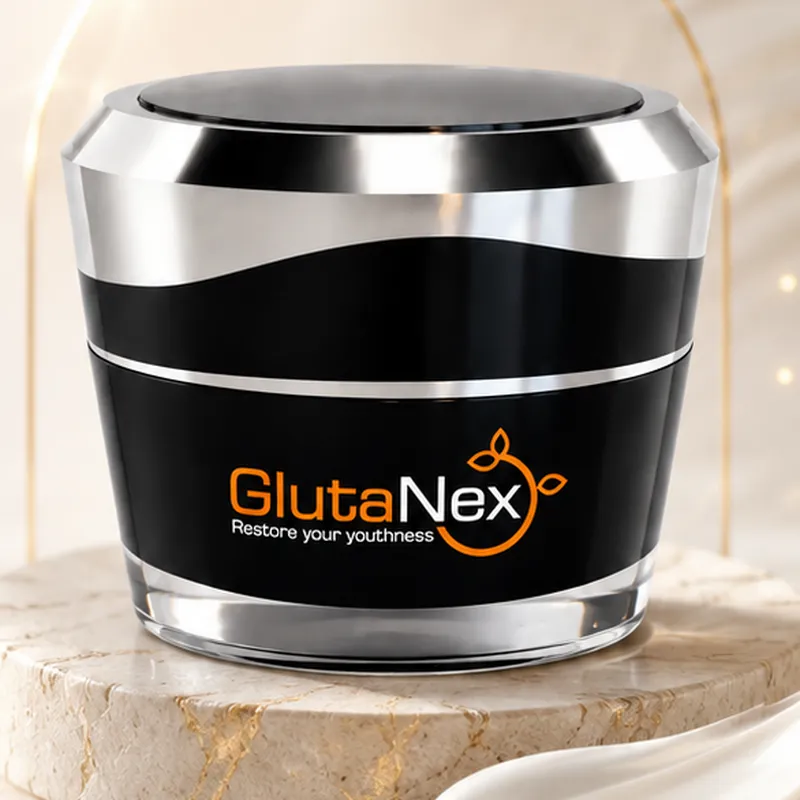 Night Cream
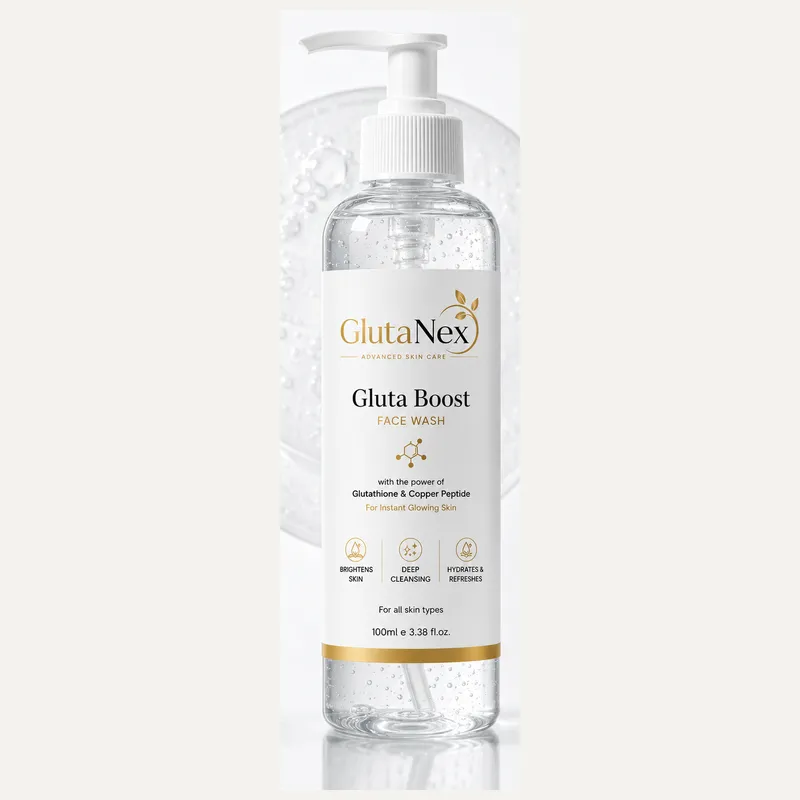 Face Wash
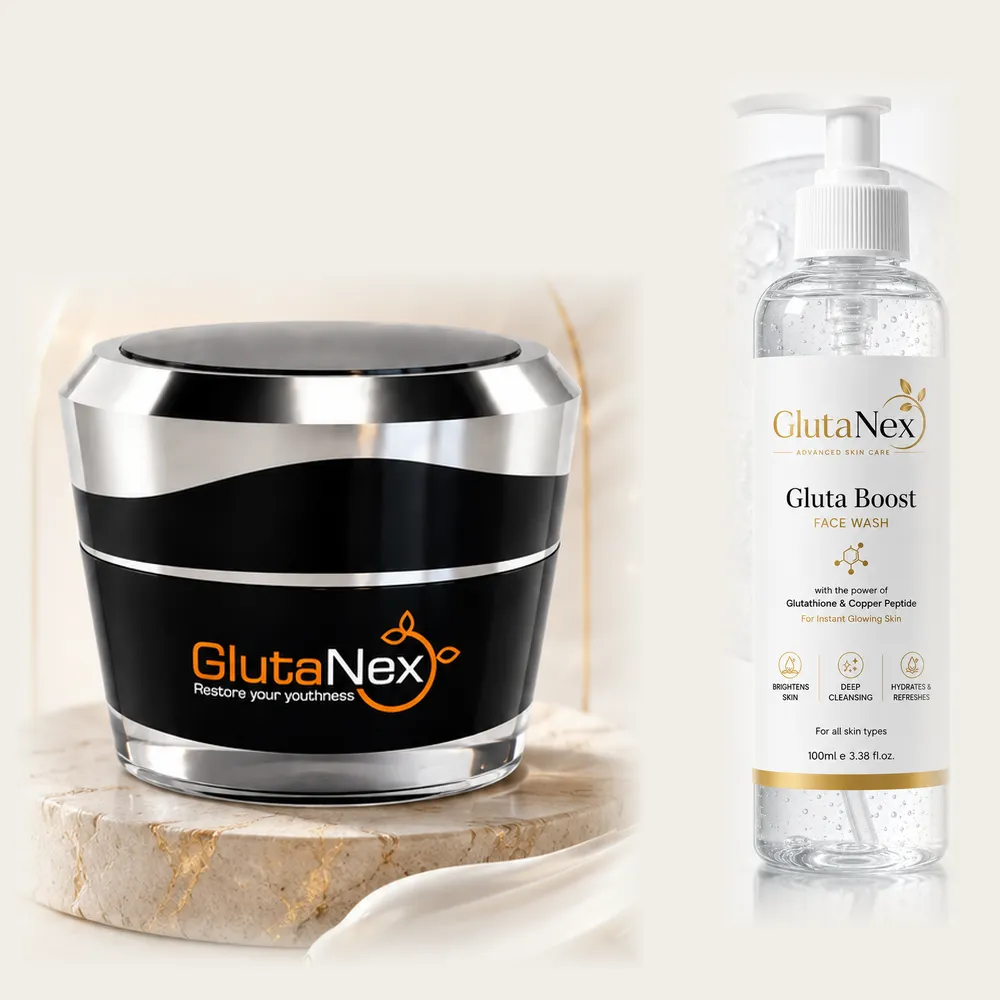 Glow Duo
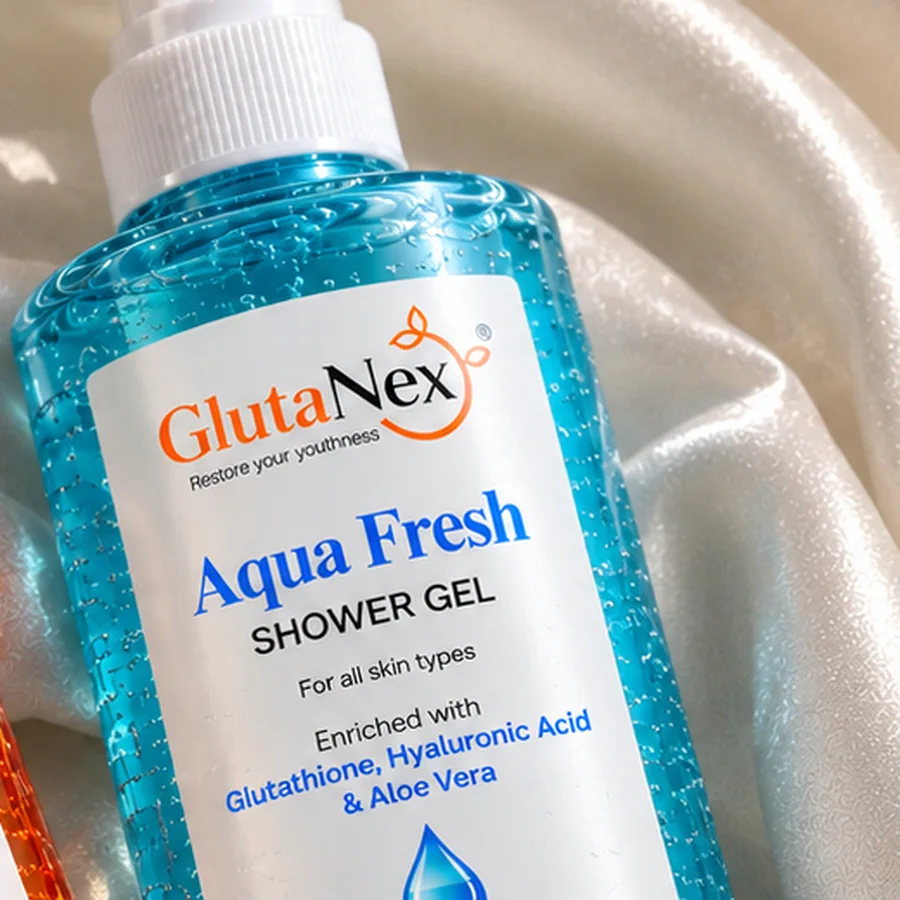 Shower Gel
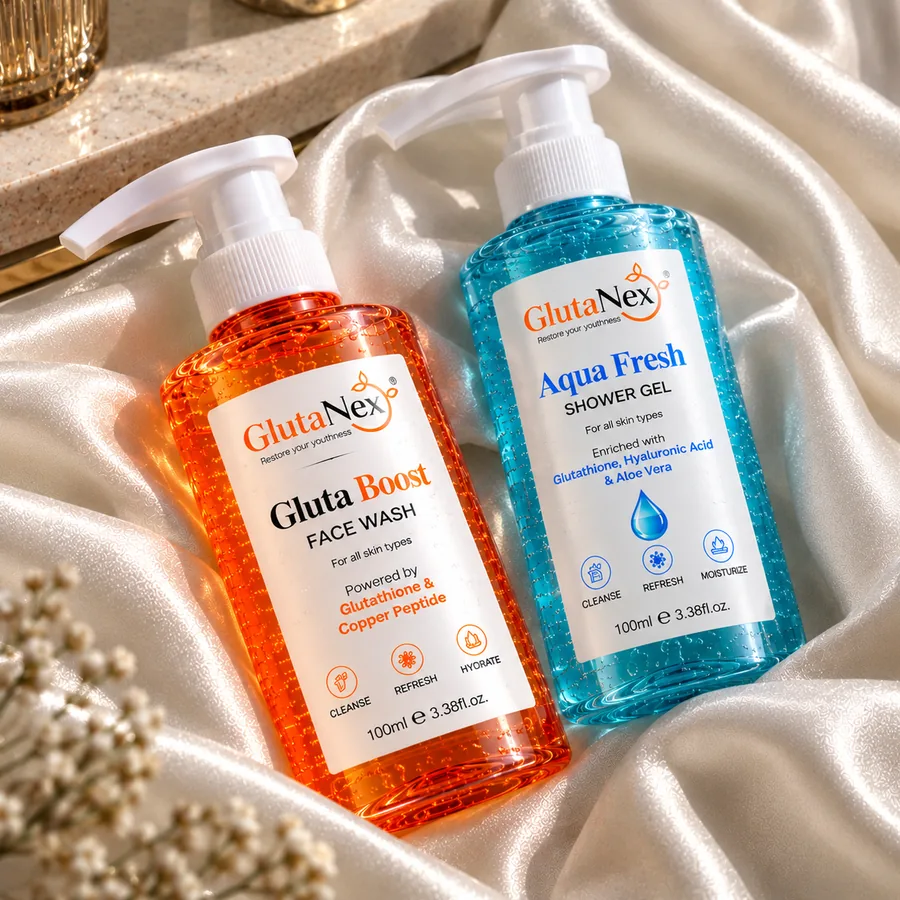 Wash + Gel Combo
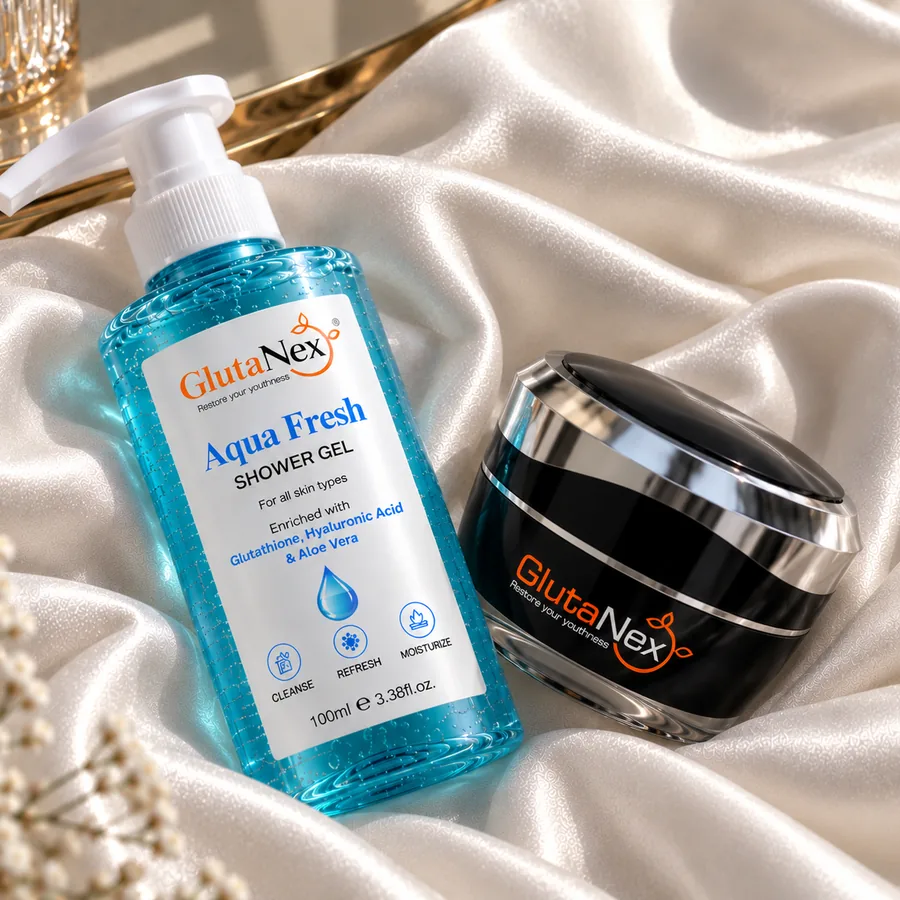 Cream + Gel Combo
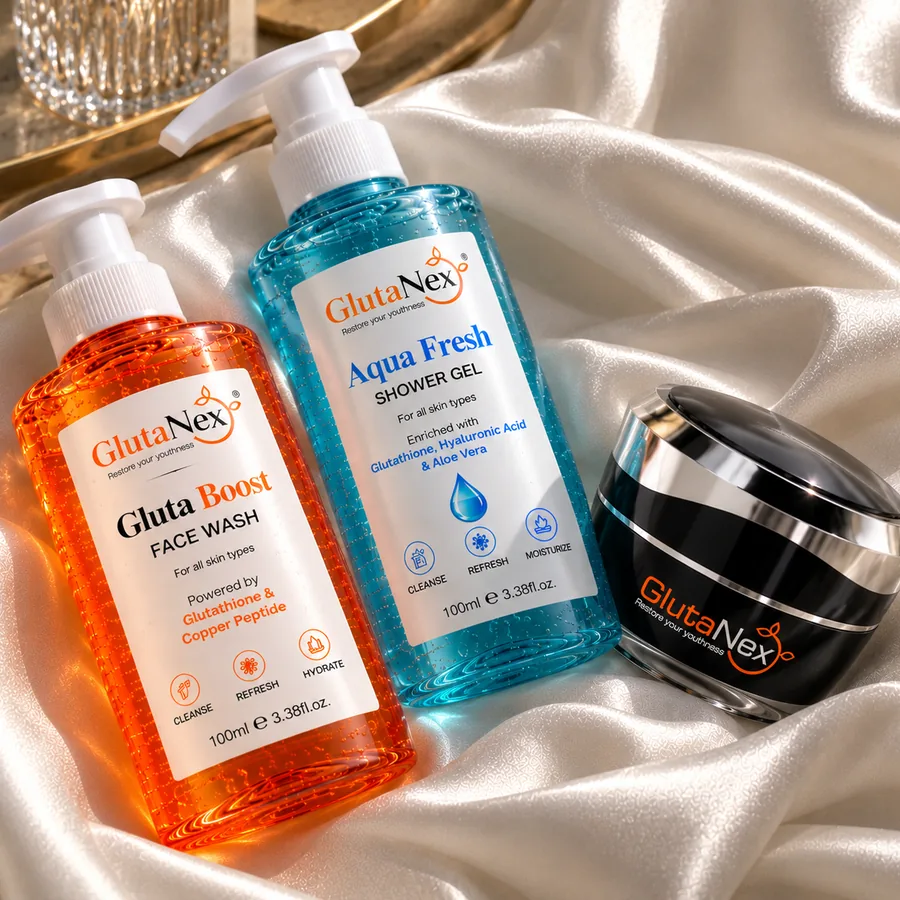 Glow Trio
