
Retinol night cream for beginners: how to start without irritation
A week-by-week plan to start a retinol night cream, how to handle dryness and purging, what not to mix, who should not use retinol, and how long results take.
How should a beginner start a retinol night cream?
Start with a pea-sized amount 2 nights a week on clean, dry skin, followed by a moisturiser if you are dry. If your skin is comfortable after 2 weeks, go to every other night, then most nights. Wear sunscreen every morning.
Is it normal to get peeling or pimples when starting retinol?
Mild dryness, flaking and a few extra pimples in the first 2 to 6 weeks are common. Strong burning, swelling or a spreading rash are not; stop and see a dermatologist.
Can I use a retinol night cream every night?
Not at first. Build up over 4 to 8 weeks. Many people stay at every other night long term, which still gives good results with less irritation.
Retinol is one of the best-studied ingredients for smoother, more even-looking skin, but it needs a slow start. The rule for beginners is simple: a small amount, a few nights a week, sunscreen every morning, and build up only when your skin is comfortable.
What retinol does
Retinol is a form of vitamin A. It speeds up skin renewal, so dull, pigmented surface cells shed sooner and fresher skin shows through. Over weeks it can help uneven tone, acne marks, rough texture and early fine lines look better. See retinol vs glutathione for how it compares and pairs with glutathione.
Week-by-week starting plan
| Weeks | How often | Tip |
|---|---|---|
| 1 to 2 | 2 nights a week (for example Monday and Thursday) | Moisturiser on the other nights |
| 3 to 4 | 3 nights a week | If dry, put moisturiser on first, then retinol (buffering) |
| 5 to 8 | Every other night | Stay here if your skin is happy |
| After 8 | Most nights, if comfortable | Go back a step whenever skin stings or peels |
How to apply it
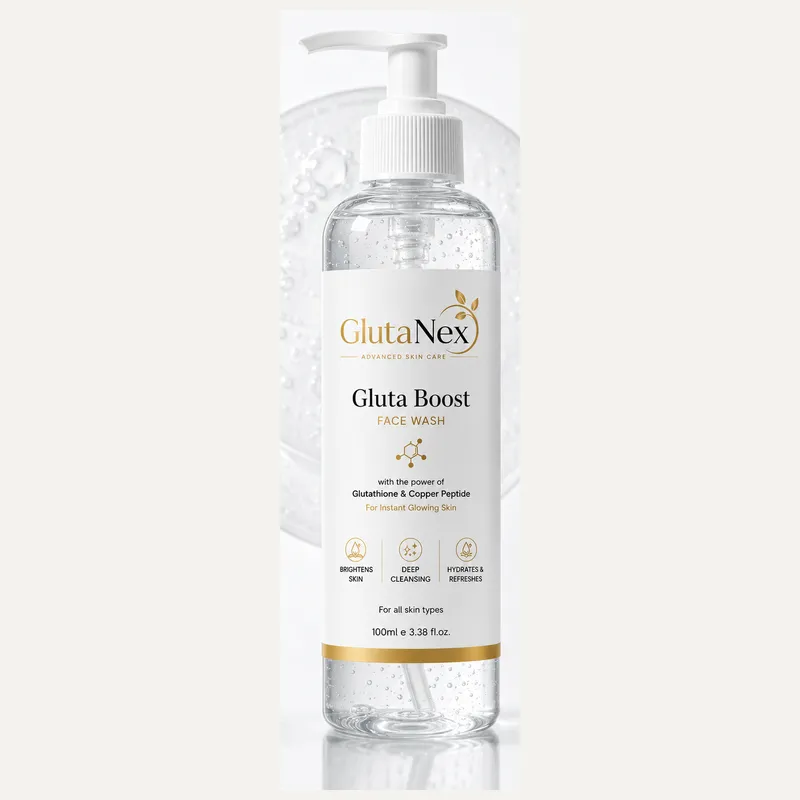
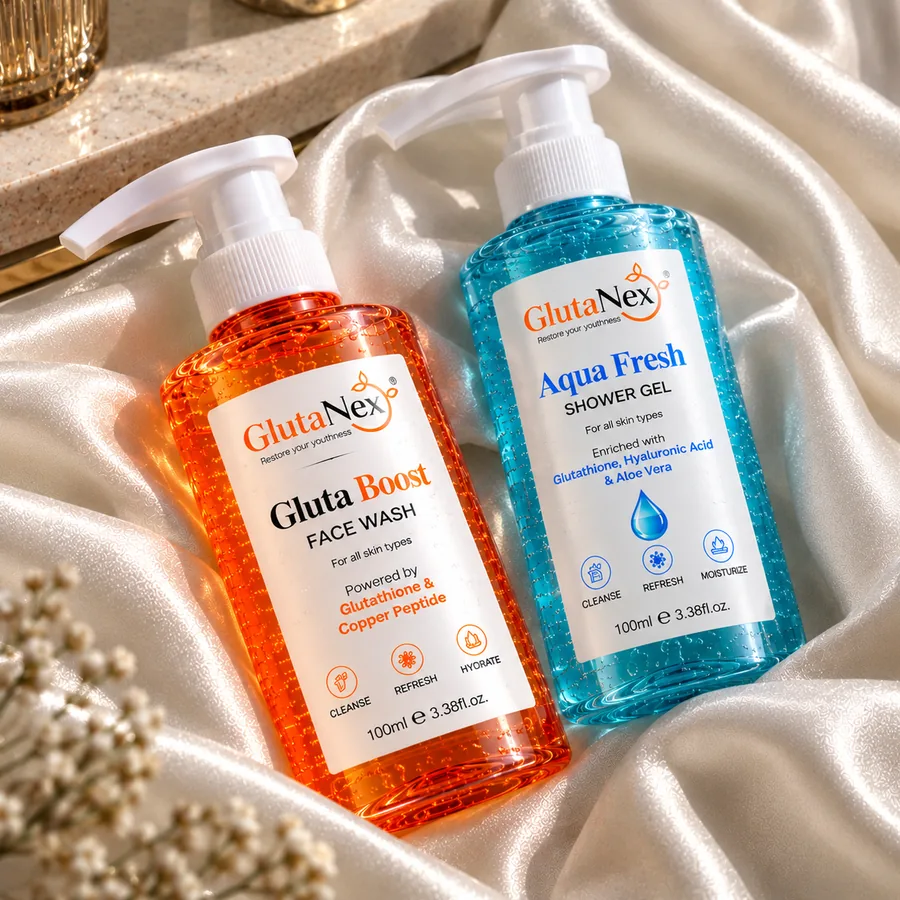
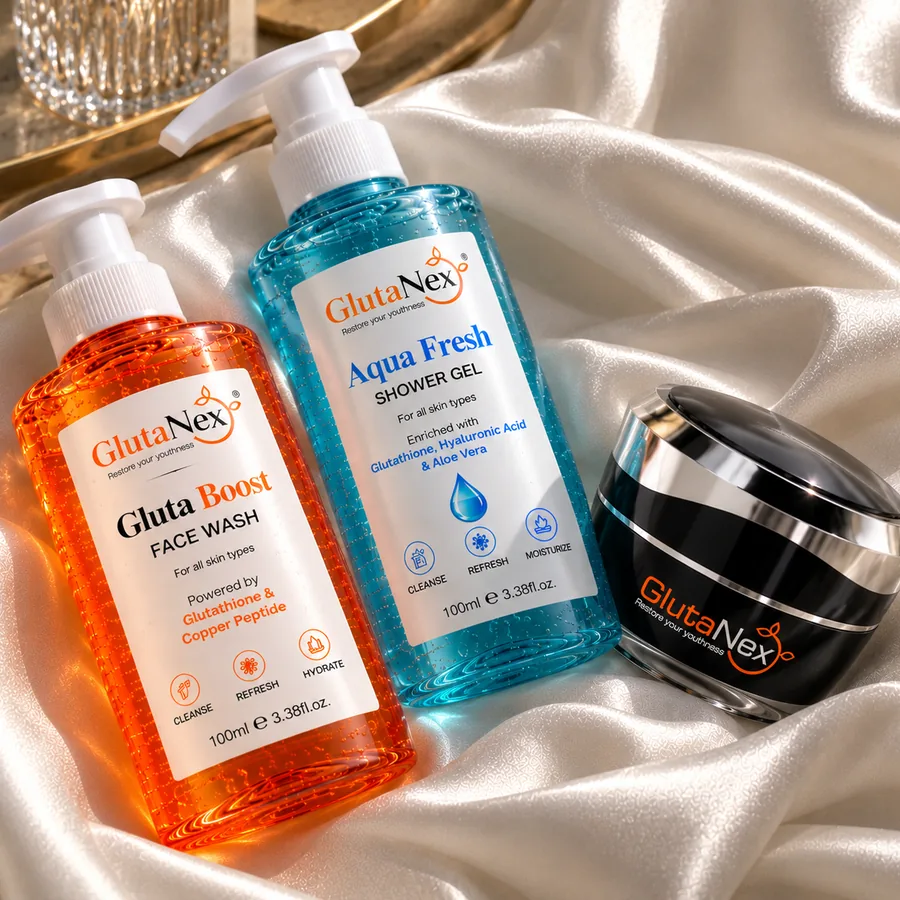
- Wash with a gentle face wash such as Gluta Boost Face Wash and pat completely dry. Damp skin absorbs retinol faster and stings more.
- Take a pea-sized amount for the whole face.
- Keep away from eye corners, nostril edges and lips.
- Moisturiser on top if you feel tight. See night cream and moisturizer.
- Sunscreen SPF 30+ every morning, even indoors near windows.
Dryness, peeling and purging
- Mild dryness and flaking: common in the first weeks; add moisturiser, cut back a night.
- Purging: a few extra small pimples where you usually break out, settling within about 6 weeks.
- Stinging that fades in a minute: usually fine; apply on fully dry skin.
- Burning, swelling, raw patches or a spreading rash: stop, wash off and see a dermatologist. See night cream burning and can it cause pimples?
What not to mix on the same night
- Strong AHA or BHA exfoliants, peels and scrubs.
- Benzoyl peroxide (use it in the morning or on other nights).
- Home remedies like lemon. See lemon.
- Waxing, threading or shaving on the same skin that day. See after waxing or threading.
Niacinamide, ceramides and hyaluronic acid are good partners because they calm and hydrate.
Who should not use retinol
- Pregnant or breastfeeding women, or anyone trying to conceive, unless a doctor approves. See pregnancy.
- Anyone using prescription tretinoin or isotretinoin, unless the doctor says so.
- People with active eczema or broken, sunburnt skin.
A beginner-friendly option
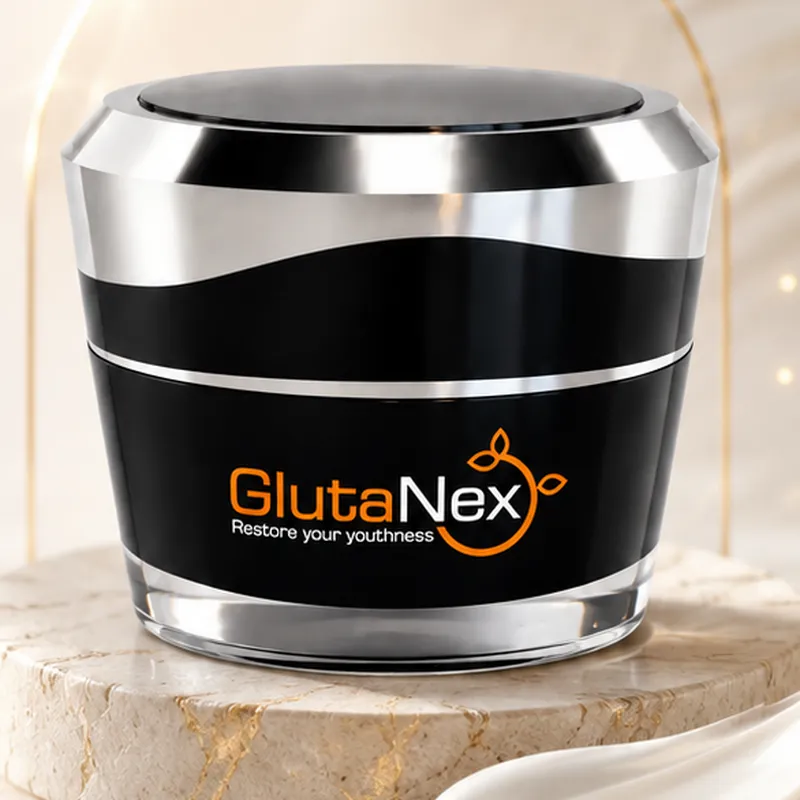
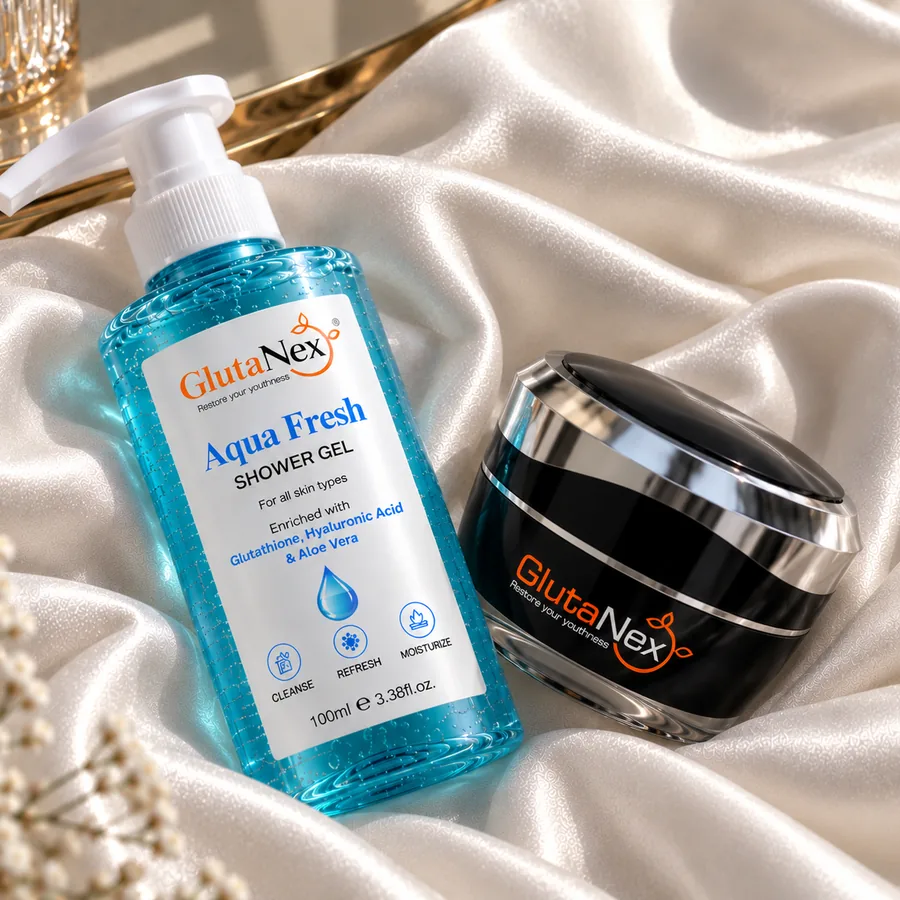
GlutaNex Glutathione Night Cream combines retinol with soothing and hydrating ingredients: niacinamide, ceramides, hyaluronic acid, aloe vera and peptides, plus glutathione, vitamin C and salicylic acid. Because it also has salicylic acid, follow the plan above strictly: 2 nights a week to start, night only, and no other exfoliants on the same night.
How long results take
Expect smoother texture in about 4 weeks, more even-looking tone and lighter marks in 8 to 12 weeks, and fine-line changes after 3 months or more, always with daily sunscreen. See results timeline.
General information about cosmetic skincare, not medical advice. Results vary from person to person. See a dermatologist for persistent or changing pigmentation.
More glutathione guides
Retinol vs glutathione: which is better for your skin?
What each one does, how they compare, and how to use both safely.
GuideGlutathione night cream: how to choose and use one
Why night is the best time for glutathione, what to look for, and options for oily and sensitive skin.
GuideGlutathione cream burning sensation: what is normal and what is not
Mild tingling vs a reaction, why a glutathione cream can sting, what to do right away, how to patch test and when to see a doctor.
 Night Cream
 Face Wash
 Glow Duo
 Shower Gel
 Wash + Gel Combo
 Cream + Gel Combo
 Glow Trio
