
Glutathione cream with lemon: should you mix lemon juice into your routine?
Can you use lemon juice with glutathione cream? Why fresh lemon on the face is a bad idea, especially with active creams and Indian sun, and safer ways to target tan and dull-looking skin.
Can I use lemon with glutathione cream?
It is best not to put lemon juice on your face at all, with or without glutathione cream. Lemon juice is strongly acidic and can sting, dry and irritate skin, and lemon on skin followed by sun can cause burns or dark patches. Use the cream on clean skin and sunscreen every morning instead.
Does lemon and glutathione cream make skin fair?
No. Lemon does not safely lighten skin, and glutathione cream does not change your natural colour. With daily sunscreen, a glutathione cream may help tan and dark marks look lighter slowly over 8 to 12 weeks. Lemon can make marks look worse if it irritates the skin.
Is vitamin C in a cream the same as lemon juice?
No. A cream with vitamin C has a measured amount in a skin-friendly formula. Lemon juice has an uneven, small amount of vitamin C, plus a lot of acid and plant compounds that can react with sunlight. You cannot get the benefits of a vitamin C product by rubbing lemon on your face.
Lemon juice and glutathione cream should not be used together on the face. Fresh lemon is acidic and irritating, it can react with sunlight, and with an active night cream it makes stinging and peeling much more likely.
Nimbu is one of the most shared home remedies for tan and dark spots in India, often mixed with honey, besan, glycerin or sugar. This guide explains why it causes more trouble than help, and what to do instead if your goal is a brighter, more even-looking face.
Why lemon juice is a problem on facial skin
- It is very acidic. Lemon juice is far more acidic than skin. On the face it can sting, dry and break down the skin's protective barrier, especially if used often.
- It reacts with sunlight. Citrus juice contains plant compounds that can make skin react to sun. Lemon on the skin followed by time outdoors can cause red, burnt-looking patches that later turn dark and take weeks to fade.
- It is not measured. Every lemon is different, so you never know how strong the juice is.
- Irritation can leave marks. On Indian skin, irritation often leaves dark patches behind, which is the opposite of what people use lemon for.
Why it is worse with an active cream
GlutaNex Glutathione Night Cream contains glutathione, niacinamide, hyaluronic acid, vitamin C, retinol, ceramides, salicylic acid, peptides, aloe vera, turmeric and neem. Retinol and salicylic acid already make skin more sensitive, which is why the cream is night-only, started 2 to 3 nights a week and paired with sunscreen every morning. Adding lemon juice on the same face is like stacking another harsh acid on top: burning, redness and peeling become far more likely.
| Combination | Verdict | Why |
|---|---|---|
| Lemon juice on face, then glutathione cream | Skip | Acid plus retinol and salicylic acid: high irritation risk |
| Lemon face pack in the day, cream at night | Skip | Lemon plus daytime sun can cause burns and dark patches |
| Lemon mixed into the cream jar | Never | Spoils the cream and changes the formula |
| Drinking nimbu pani, cream at night | Fine | Lemon as a drink does not touch the skin |
| Vitamin C serum in the morning, cream at night | Fine for most | A measured product; see glutathione cream with vitamin C serum |
What to do instead for tan and dull-looking skin
- Sunscreen every morning, SPF 30 or higher, reapplied if you are outdoors. Without it, any brightening routine is wasted. See glutathione cream with sunscreen.
- Wash gently twice a day with a mild face wash such as Gluta Boost Face Wash.
- Use one active product at night, not three. A glutathione cream on its own, used consistently, is easier on skin than many home remedies stacked together.
- Moisturise on rest nights so the skin barrier stays calm.
- Give it time. Tan usually looks lighter over a few weeks with sun protection; dark marks often take 8 to 12 weeks. Read how long glutathione takes to work.
For a full plan, see glutathione for dark spots and tan.
Safer swaps for common lemon packs
| Popular mix | Gentler swap |
|---|---|
| Lemon + honey | Plain honey as a short wash-off mask, on nights you skip the active cream |
| Lemon + besan | Besan with curd or plain water, washed off gently; see face packs with glutathione cream |
| Lemon + glycerin + rose water | Glycerin + rose water only; see glutathione cream with glycerin |
| Lemon + sugar scrub | No scrub on cream nights; the cream already has salicylic acid |
If you already used lemon and your skin is burning
- Rinse your face with plenty of cool water.
- Stop the glutathione cream and any acids for a few nights.
- Use only a plain, gentle moisturiser until the skin calms.
- Stay out of the sun and use sunscreen if you must go out.
- See a dermatologist if you have blisters, swelling, oozing, or red patches that spread or get darker.
Patch test any new product on the jaw or inner arm for 24 to 48 hours before using it on your face.
General information about cosmetic skincare, not medical advice. Results vary from person to person. See a dermatologist for persistent or changing pigmentation.
More glutathione guides
Glutathione: what it is, what it does for skin, and how to use it safely
The complete guide: what glutathione is, how it affects skin, every form compared, and the research.
GuideGlutathione cream with honey: can you use both, and how?
Can you use honey with glutathione cream? How to use a simple honey mask before the cream, why not to mix honey into the jar, who should skip it, and what honey can and cannot do.
GuideGlutathione cream after shaving: when to apply it and when to wait
Can men apply glutathione cream right after shaving? Why freshly shaved skin can sting, the best timing with a retinol night cream, razor-burn rules and a simple shave-day routine.
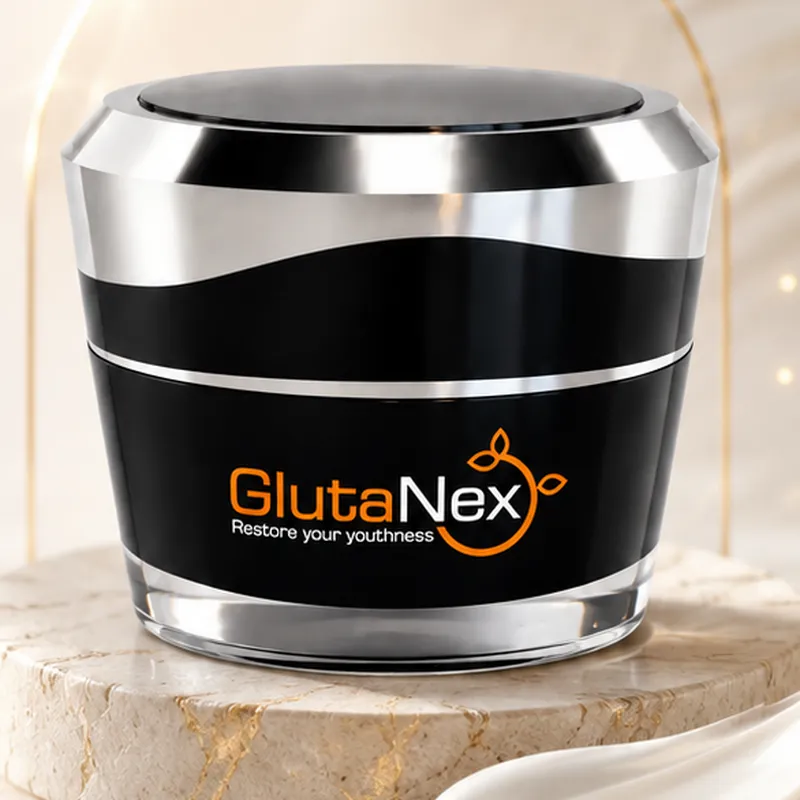 Night Cream
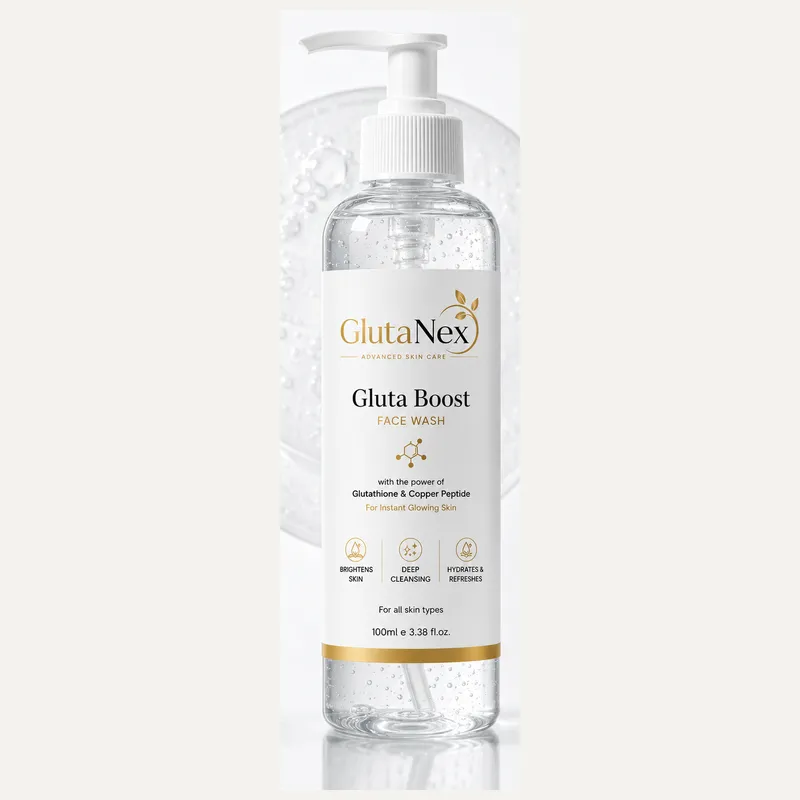 Face Wash
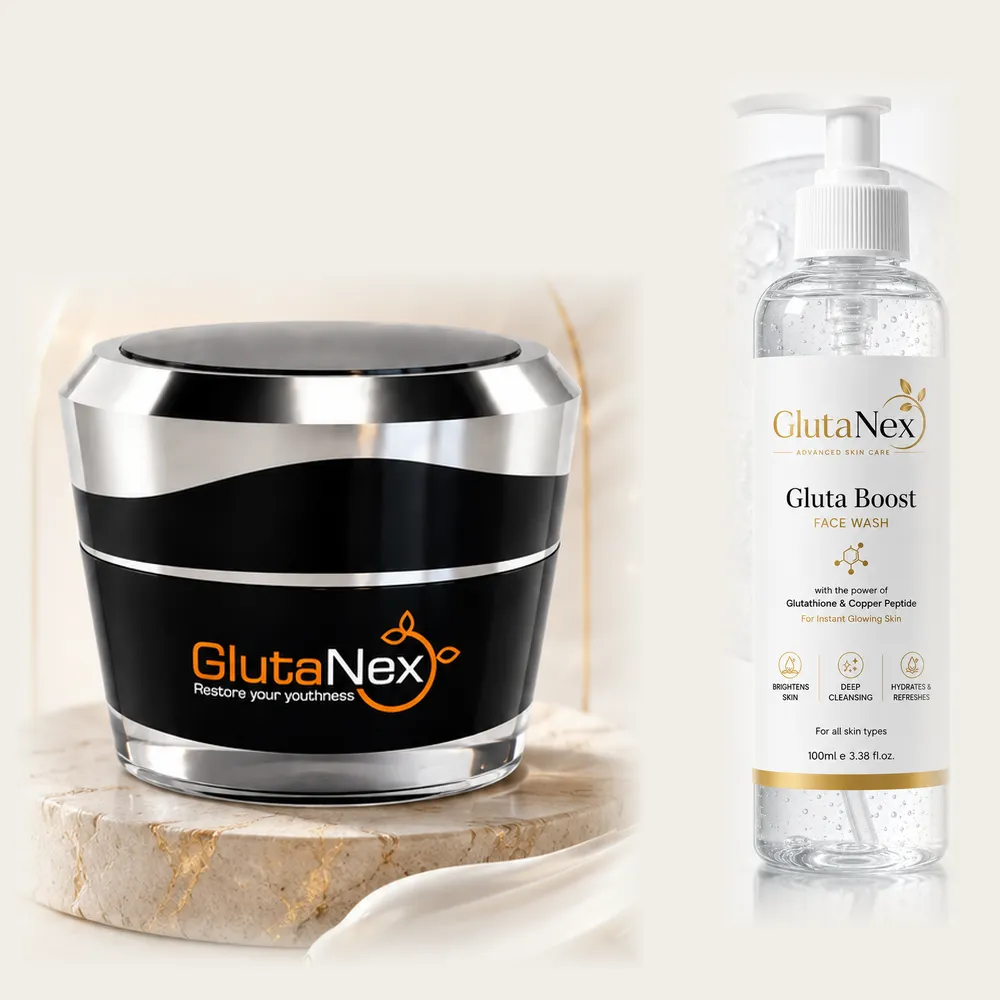 Glow Duo
 Shower Gel
 Wash + Gel Combo
 Cream + Gel Combo
 Glow Trio
