
Glutathione cream in monsoon: how to use it in humid, rainy weather
Can you use glutathione cream in the monsoon? Yes, with a thinner layer, a lighter routine and sunscreen on cloudy days. How to adjust a retinol glutathione night cream for humid Indian rains.
Can I use glutathione cream in monsoon?
Yes. Glutathione cream can be used through the monsoon, but most skin needs a thinner layer than in winter because humid air keeps it more moist. Apply it at night on clean, fully dry skin, keep sunscreen on cloudy mornings, and cut back if you see sweat bumps or new pimples.
Is glutathione cream too heavy for humid weather?
It does not have to be. A pea-sized amount is enough for the whole face, and in sticky weather you can use even less, especially on the forehead and nose. If your skin still feels greasy, skip an extra moisturiser on top rather than skipping the night cream.
Do I need sunscreen in the rainy season?
Yes. Clouds block some sunlight but not all of it, and a night cream with retinol and salicylic acid makes skin more sun-sensitive. Use a broad-spectrum sunscreen every morning, and choose a light gel or fluid texture if you sweat a lot.
Yes, you can keep using glutathione cream in the monsoon. Humid air keeps skin more moist, so most people need a thinner layer than in winter, a lighter routine around it and sunscreen even on grey days; the cream itself does not need to change.
The rainy season in most of India runs roughly June to September, and in Tamil Nadu and nearby areas the main rain comes from October to December. In both cases the problems are the same: sweat that stays on the skin, damp clothes, more oil and more pimples. Here is how to adjust a glutathione night cream for those months.
What the monsoon does to your skin
| Monsoon change | What you may notice | What to do |
|---|---|---|
| High humidity | Skin feels sticky; creams feel heavier than in winter | Use a thinner layer of night cream; skip a second moisturiser if you feel greasy |
| More sweat and oil | Shine on the T-zone, blackheads, sweat bumps | Wash your face when you get home; keep the routine short |
| Damp clothes, towels and pillow covers | Itchy patches, pimples on the jawline and back | Change damp clothes soon; wash face towels and pillow covers often |
| Cloudy days | People stop using sunscreen | Keep sunscreen every morning; daylight still reaches the skin |
| Office AC after rain | Cheeks feel tight while the nose stays oily | Care for the two zones differently: thin layer on the T-zone, a little more on cheeks |
A simple monsoon routine with glutathione cream
- Morning: rinse or wash with a gentle face wash such as Gluta Boost Face Wash, pat dry, use a light moisturiser only if your skin feels tight, then a broad-spectrum sunscreen.
- When you get home: wash off rain, sweat and city grime. Rainwater splashed from roads is not clean water, so do not leave it on your face.
- Night: cleanse, dry your face fully, wait a few minutes, then apply a pea-sized amount of GlutaNex Glutathione Night Cream over the whole face. On humid nights, half a pea is often enough for oily skin.
- Frequency: because the night cream has retinol and salicylic acid, start with 2 to 3 nights a week if you are new to it, and build up to alternate nights only if your skin stays comfortable. People who already use it regularly can usually keep their usual pattern.
- Once a week: wash pillow covers and face towels, and let them dry fully. Damp towels hold sweat and grime.
Need the basics first? See how to use glutathione cream and morning or night.
Oily, combination and dry skin in the rains
Oily skin often gets the most trouble in the monsoon: shine by noon, more blackheads and pimples. Keep the night cream to a thin layer, skip heavy oils and face packs, and do not add an extra moisturiser unless your skin feels tight. Our glutathione cream for oily skin guide goes further.
Combination skin may be oily on the nose and forehead but dry on the cheeks, especially in air-conditioned offices. Use a thin layer on the T-zone and a light moisturiser on the cheeks. See glutathione cream for combination skin.
Dry skin usually feels better in the monsoon than in winter, but AC and frequent washing can still leave it tight. A light moisturiser after the night cream is fine; see glutathione cream and moisturiser.
Pimples and sweat bumps in the monsoon
Many people notice more pimples in the rainy months and blame the new cream. Often the cause is the weather: sweat, oil and dust staying on the skin for hours, plus helmets, masks and damp clothes. If small bumps appear, wash your face when you get home, use a thinner layer of cream, cut back to fewer nights a week and keep hands and phones away from your face. Read can glutathione cream cause pimples to tell irritation from a breakout, and glutathione cream for blackheads if pores on the nose fill up.
Sunscreen and tan on cloudy days
It is easy to feel that cloudy, rainy days do not need sunscreen, but daylight still reaches the skin through clouds, and the gaps between showers can be very bright. A retinol night cream makes skin more sun-sensitive, so sunscreen in the morning matters every day, not just in summer. Choose a light gel or fluid texture that does not feel greasy, and reapply if you spend long hours outdoors. Our glutathione cream with sunscreen guide covers how to layer the two, and glutathione cream for summer tan explains why tan fades slowly over weeks.
Monsoon habits that work against you
- Leaving rainwater on your face or hair: it carries road dust and grime; wash it off at home.
- Thick face packs and oils: coconut oil, ghee or heavy packs on top of a night cream can feel very heavy in humid weather.
- Scrubbing to remove oil: harsh scrubs irritate skin, especially with retinol and salicylic acid in the routine.
- Skipping the night cream entirely: a thin layer is usually better than stopping and restarting, which brings back the early dryness and stinging.
- Sharing towels: keep your own face towel and dry it fully.
When to see a dermatologist
See a dermatologist if you get an itchy, spreading rash in skin folds, ring-shaped patches, painful red bumps, or pimples that keep getting worse after you cut back. These can be infections or other skin conditions that need proper diagnosis. If you are pregnant or breastfeeding, do not use a retinol cream unless your doctor says it is fine.
General information about cosmetic skincare, not medical advice. Results vary from person to person. See a dermatologist for persistent or changing pigmentation.
More glutathione guides
Glutathione: what it is, what it does for skin, and how to use it safely
The complete guide: what glutathione is, how it affects skin, every form compared, and the research.
GuideGlutathione cream after dermaplaning: when to apply it and what to use first
Can you use glutathione cream after dermaplaning? Not the same night. How long to wait before a retinol and salicylic acid night cream, what to apply on freshly dermaplaned skin, and safe face-razor tips.
GuideGlutathione cream after a facial: when to restart it after a parlour facial, cleanup or bleach
Can you use glutathione cream after a facial? Not the same night. How long to wait after a parlour facial, cleanup, extraction or face bleach before a retinol and salicylic acid night cream, and what to use in between.
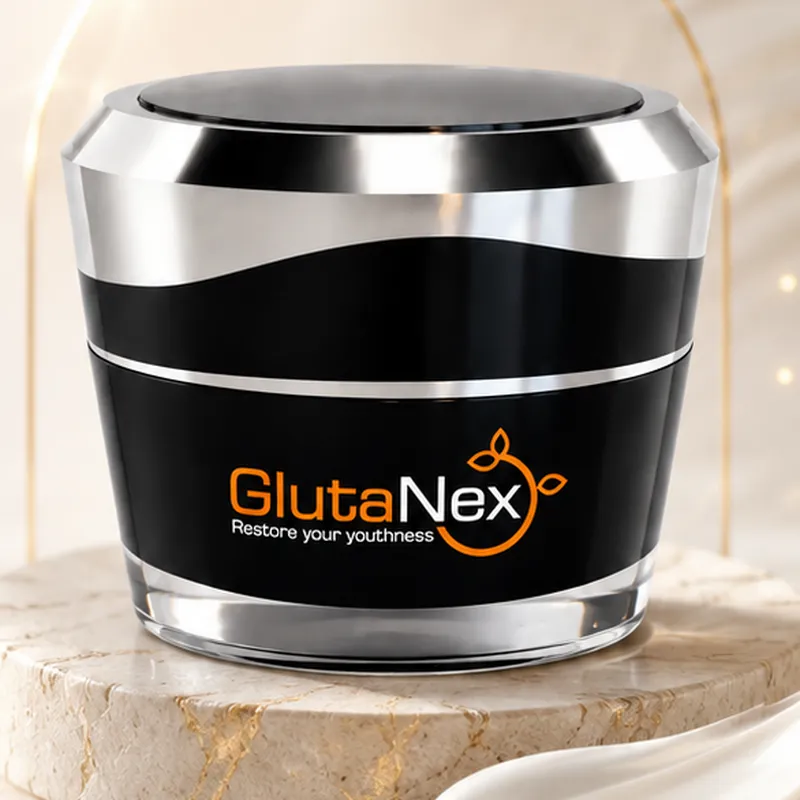 Night Cream
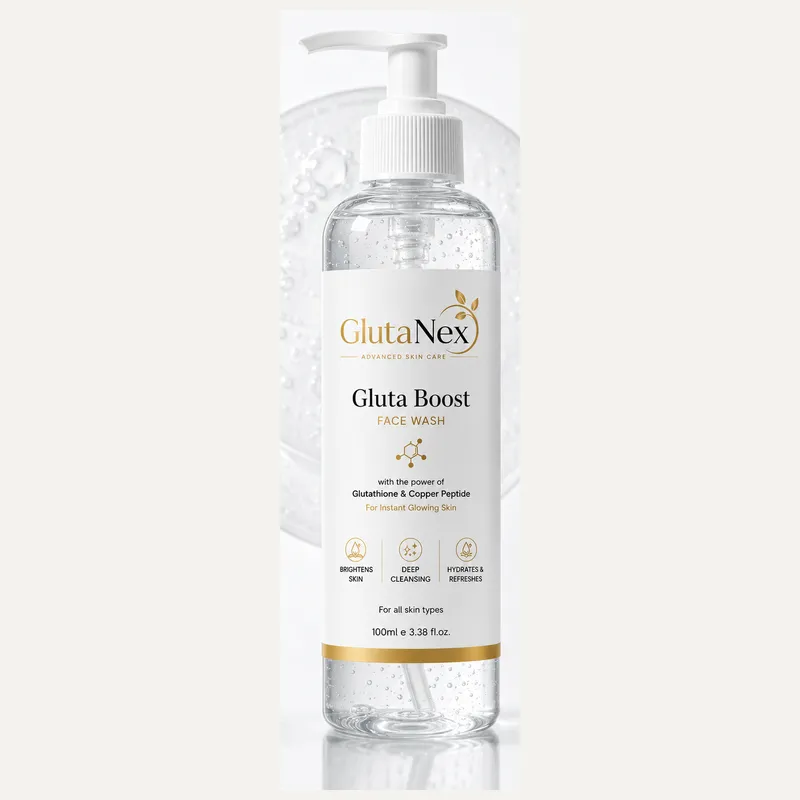 Face Wash
 Glow Duo
 Shower Gel
 Wash + Gel Combo
 Cream + Gel Combo
 Glow Trio
