
Glutathione cream with sandalwood (chandan): how to use both safely
Can you use a chandan face pack with glutathione cream? The right order, why not to mix chandan powder or oil into the cream, who should skip it, and what sandalwood can and cannot do.
Can I use sandalwood with glutathione cream?
Yes, as separate steps. Use a plain chandan powder pack mixed with water or rose water on clean skin, wash it off before it dries hard, pat dry, then apply the glutathione cream. Do not mix chandan powder or sandalwood oil into the jar, and patch test first.
Should I apply chandan before or after glutathione cream?
Before, and wash it off. Chandan is used as a wash-off pack. A dry powder layer on top of the cream absorbs it, cracks and flakes onto the pillow.
Does chandan with glutathione make skin fair?
No. Chandan packs can make skin feel cool and fresh and help it look less oily for a while. A glutathione cream with daily sunscreen may help tan and dark marks look lighter slowly over 8 to 12 weeks. Neither changes your natural skin colour.
You can use sandalwood with glutathione cream, but as two separate steps: a plain chandan pack on clean skin first, washed off before it dries hard, and the cream after that. Chandan works as a cooling wash-off pack, while the cream is meant to stay on, so mixing chandan powder or sandalwood oil into the jar is not a good idea.
Chandan has been part of Indian skin care for generations, from haldi-chandan ubtan before weddings to simple packs with gulab jal in summer. Many "chandan" products are also sold with fairness claims. This guide explains the right order, what to mix it with, what to avoid, and what sandalwood can honestly do.
Chandan pack vs glutathione cream at a glance
| Plain chandan pack | Glutathione cream | |
|---|---|---|
| Main cosmetic job | Cooling, soothing feel; soaks up extra oil for a few hours | Brighter, more even-looking tone over weeks |
| How to use | Thin wash-off paste, about 10 minutes | Thin leave-on layer, last night step |
| Texture | Powder mixed into a paste, dries on skin | Spreads as a cream |
| Main downside | Can dry skin if left until it cracks; fragrance or added ingredients can irritate | Works slowly; needs sunscreen every morning |
| What it cannot do | Fade spots or tan on its own, or change skin colour | Change your natural skin colour |
The right order on a chandan night
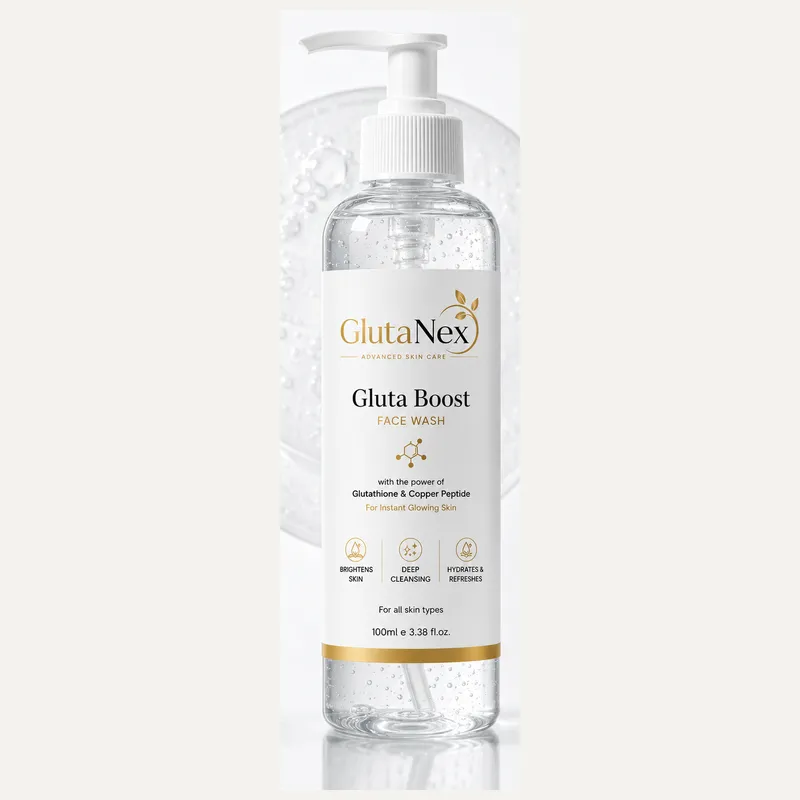
- Cleanse with a gentle face wash such as Gluta Boost Face Wash and pat dry.
- Mix the pack: about one teaspoon of pure chandan powder with enough plain water or rose water to make a smooth paste. Avoid lemon.
- Apply a thin layer with clean fingers, away from the eyes and lips.
- Wash it off after about 10 minutes, while it is still slightly damp. Letting it crack pulls moisture out of the skin.
- Rinse with lukewarm water using soft circles. Do not rub the drying paste like a scrub.
- Pat dry, wait a few minutes, then apply the glutathione cream as a thin, pea-sized layer.
- Sunscreen every morning, SPF 30 or higher.
Once a week is enough for most people, twice in hot, sticky months. For the general layering rules, see how to use glutathione cream. If you like gulab jal in your pack, read rose water with glutathione cream too.
Powder, paste or oil: which form is safe?
| Form | Use with glutathione cream? |
|---|---|
| Pure chandan powder mixed fresh with water or rose water | Yes, as a wash-off pack before the cream |
| Ready-made chandan face pack | Read the label; skip ones with bleach, strong fragrance or "instant fairness" claims |
| Sandalwood essential oil | Do not apply it neat on the face; essential oils are a common cause of irritation |
| Chandan rubbed from a stone with water (traditional sil) | Fine as a thin wash-off paste if the stone and stick are clean |
| Haldi-chandan ubtan | Yes, as a wash-off pack; rinse well so haldi does not stain. See glutathione and turmeric |
Do not stir chandan powder, sandalwood oil or a ready pack into the cream jar. Powders change the texture, bring in moisture and germs and leave you guessing how much cream is in each scoop.
A special note on GlutaNex Night Cream
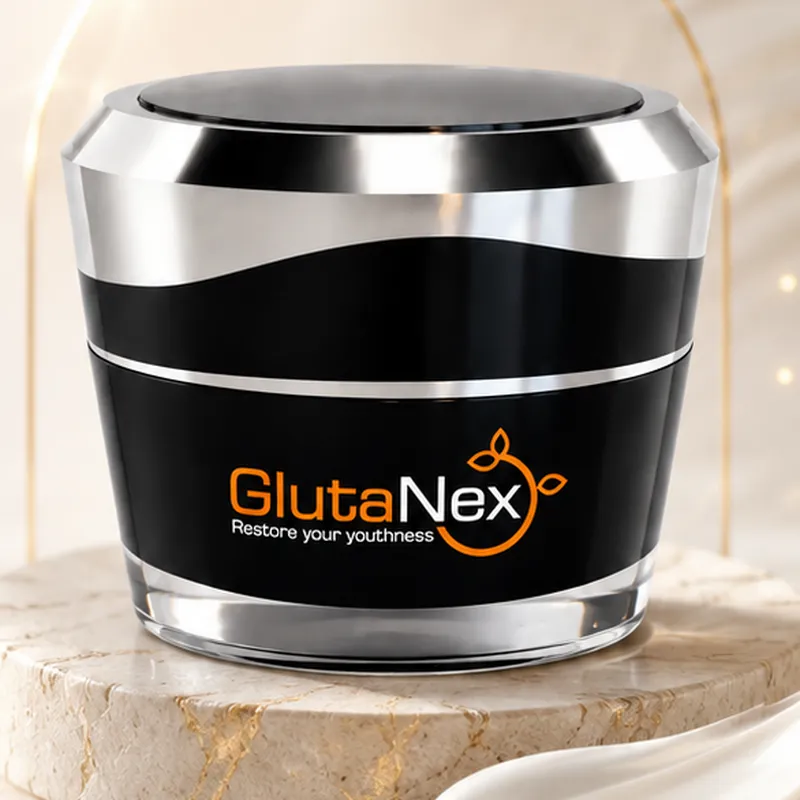
GlutaNex Glutathione Night Cream contains glutathione, niacinamide, hyaluronic acid, vitamin C, retinol, ceramides, salicylic acid, peptides, aloe vera, turmeric and neem. It already has a little haldi and neem, so you do not need a herbal pack every night to "add" them.
- The cream is for night only because of the retinol and salicylic acid. Start it 2 to 3 nights a week.
- On Night Cream nights, keep the chandan pack plain and gentle. Do not scrub with drying paste, besan grains or rice flour before a retinol cream; that is a common cause of stinging. See glutathione cream with besan for the same rule.
- If your skin is in the first weeks of retinol and feels dry, use the chandan pack on a rest night, followed by a plain moisturiser.
- If the cream stings after a pack, wash it off and read glutathione cream burning.
Who should skip chandan or be careful
- Very dry skin in winter: clay-like packs can make it tighter. Keep it short or skip it until the weather warms.
- Sensitive skin or fragrance allergy: patch test on the jawline first; sandalwood's natural scent can irritate some people. See glutathione cream for sensitive skin.
- Oily, acne-prone skin: a plain chandan pack is usually fine occasionally; rinse well and stop if you get new bumps.
- Broken, sunburnt or freshly waxed skin: skip both the pack and the Night Cream until the skin settles.
What to expect, honestly
A chandan pack can leave skin feeling cool and fresh and looking less shiny for a few hours, which is why it is popular in summer and before functions. It does not fade dark spots or tan on its own and does not change skin colour, whatever a pack's label says. Any gradual change in tan or marks comes from steady use of the cream plus daily sunscreen over 8 to 12 weeks; read glutathione cream results for realistic expectations.
When to see a dermatologist
See a dermatologist if a pack leaves you with an itchy rash, swelling or red patches that do not settle within a day, or if you are trying to deal with melasma, which needs a proper diagnosis and plan.
General information about cosmetic skincare, not medical advice. Results vary from person to person. See a dermatologist for persistent or changing pigmentation.
More glutathione guides
Glutathione: what it is, what it does for skin, and how to use it safely
The complete guide: what glutathione is, how it affects skin, every form compared, and the research.
GuideGlutathione cream with saffron (kesar): how to use both, and what kesar can really do
Can you use a kesar pack or kesar milk with glutathione cream? The right order, why not to stir saffron into the jar, how to avoid fake kesar, and honest expectations.
GuideGlutathione cream with ghee: can you use both on your face?
Can you put desi ghee on your face with glutathione cream? When a dab helps dry winter lips and patches, why not to cover a retinol cream with it, and who should skip ghee on the face.
 Night Cream
 Face Wash
 Glow Duo
 Shower Gel
 Wash + Gel Combo
 Cream + Gel Combo
 Glow Trio
