
Glutathione and turmeric (haldi) together: what each does and how to use both
Can you use glutathione and turmeric together? What haldi does in skincare, how it differs from a DIY haldi pack, and a simple night routine for Indian skin.
Can I use glutathione and turmeric together?
Yes. Glutathione and turmeric are both antioxidant ingredients and do not cancel each other out. Glutathione is used for a brighter, more even-looking tone, while turmeric extract is a traditional Indian skincare ingredient used for a fresher, healthier-looking glow. They are often combined in one cream, so you do not need to layer them separately.
Is turmeric in a cream the same as a haldi face pack?
No. A cream uses a small amount of turmeric extract blended into a tested formula, so it does not stain and is easier to use every few nights. A kitchen haldi pack uses raw powder, which can leave a yellow tint, dry the skin when mixed with lemon or besan, and irritate sensitive skin.
Does turmeric with glutathione make skin fair?
No. Neither ingredient changes the skin colour you were born with. Used with daily sunscreen, a cream with both can help skin look brighter and help tan and dark marks look lighter slowly, over 8 to 12 weeks.
Glutathione and turmeric (haldi) can be used together, and they are often put in the same cream. Glutathione is used for a brighter, more even-looking tone, and turmeric extract adds a familiar Indian antioxidant ingredient aimed at a fresher, healthier-looking glow. Neither one is a shortcut, and neither changes your natural skin colour.
This guide explains what each ingredient does, how a turmeric cream differs from a kitchen haldi pack, and how to use both safely in Indian weather.
Glutathione vs turmeric at a glance
| Glutathione | Turmeric (haldi) extract | |
|---|---|---|
| What it is | An antioxidant made of three amino acids; the body makes it every day | An extract of the turmeric root; curcumin is its best-known compound |
| Main cosmetic job | Brighter, more even-looking tone over weeks | A fresher, healthier-looking glow; a traditional part of ubtan |
| Evidence | Small, short studies; promising but limited | Long traditional use; skincare research is still limited |
| Main downside | Works slowly; does not change natural skin colour | Raw powder stains; some people react to it |
What turmeric actually does in skincare
Haldi has been part of Indian skincare for generations, from wedding ubtan to everyday face packs. Its main compound, curcumin, is studied as an antioxidant. In a cream, turmeric extract is used to support a healthier-looking, more radiant appearance and to sit alongside other antioxidants.
Be careful with big claims you may see online. Turmeric is not proven to remove pigmentation, clear acne or lighten skin. Think of it as a supporting ingredient, not the main reason to buy a cream.
What glutathione adds
Glutathione is used in creams for a brighter, more even-looking tone. A 2025 review called topical glutathione promising but noted the studies are small and short (Khanna et al., J Clin Aesthet Dermatol 2025). It works slowly and only shows its best with daily sun protection. See glutathione benefits for skin for what it can and cannot do.
Turmeric cream vs a DIY haldi pack
| Cream with turmeric extract | Kitchen haldi pack | |
|---|---|---|
| Staining | Does not leave a yellow tint in normal use | Often leaves a yellow tint on skin, nails and towels |
| Consistency | Same amount every time | Varies with each batch of powder |
| Irritation risk | Lower, but patch test still needed | Higher, especially mixed with lemon, baking soda or raw milk on sensitive skin |
| How often | Every few nights, as the cream directs | Once a week at most |
If you love a traditional pack before a wedding or festival, keep it simple (haldi with curd or plain water), patch test first, and do not use it on the same night as a retinol cream. Our guide to glutathione before a wedding has a calm timeline.
How the pair fits in GlutaNex Night Cream
GlutaNex Glutathione Night Cream contains glutathione and turmeric extract together, along with niacinamide, vitamin C, hyaluronic acid, ceramides, peptides, aloe vera, neem, retinol and salicylic acid. Because of the retinol and salicylic acid, it is a night-only cream. Full details are in glutathione cream ingredients.
How to use glutathione and turmeric together
- Patch test. Apply a little on the jawline for two nights before the whole face.
- Cleanse gently at night with a mild face wash and lukewarm water, then pat dry.
- Apply a pea-sized amount of the cream over the face, avoiding the eye area and lips.
- Start 2 to 3 nights a week if the cream has retinol or salicylic acid, and build up only if skin stays comfortable.
- Skip a separate haldi pack on the nights you use a retinol cream.
- Sunscreen every morning, SPF 30 or higher. Read glutathione cream with sunscreen.
Using the pair through the Indian year
| Season | What to adjust |
|---|---|
| Summer (March to June) | A thin layer only; sweat and heat can make any cream feel heavy. Reapply sunscreen if you are outdoors. |
| Monsoon | Cleanse well at night to lift sweat and grime; keep the same pea-sized amount. |
| Winter and wedding season | Add a plain moisturiser on top if skin feels tight; space out any haldi or ubtan rituals from retinol nights. |
| Festival weeks | Do not start a new cream or pack a few days before a big event; patch test well in advance. See glutathione cream for Diwali. |
Whatever the season, the slow part is tone. Comfort and smoothness can feel better within days, while a more even-looking tone takes 8 to 12 weeks of steady use with sunscreen. Read how long glutathione takes to work for realistic expectations.
Who should be careful
- Sensitive or allergy-prone skin: some people react to turmeric. Patch test, and stop if you get itching, redness or bumps. See glutathione cream for sensitive skin.
- Pregnancy or breastfeeding: turmeric is mild, but a cream with retinol is not for this time unless your doctor says it is fine.
- Melasma, eczema or persistent rashes: see a dermatologist. A cosmetic cream is not a treatment.
- Khanna R, Rambhia P, Chapas A. Systematic review of the efficacy and safety of topical glutathione in dermatology. J Clin Aesthet Dermatol. 2025;18(9):51-54.
General information about cosmetic skincare, not medical advice. Results vary from person to person. See a dermatologist for persistent or changing pigmentation.
More glutathione guides
Glutathione: what it is, what it does for skin, and how to use it safely
The complete guide: what glutathione is, how it affects skin, every form compared, and the research.
GuideGlutathione and neem together: what neem does in skincare and how to use both
Can you use glutathione and neem together? What neem extract does, neem face wash vs neem cream vs raw neem paste, and a simple routine for oily, humid-weather skin.
GuideGlutathione and aloe vera together: what each does and how to use both
Can you use glutathione and aloe vera together? What aloe does in a cream, cream vs fresh aloe gel from the plant, and a simple night routine for Indian skin.
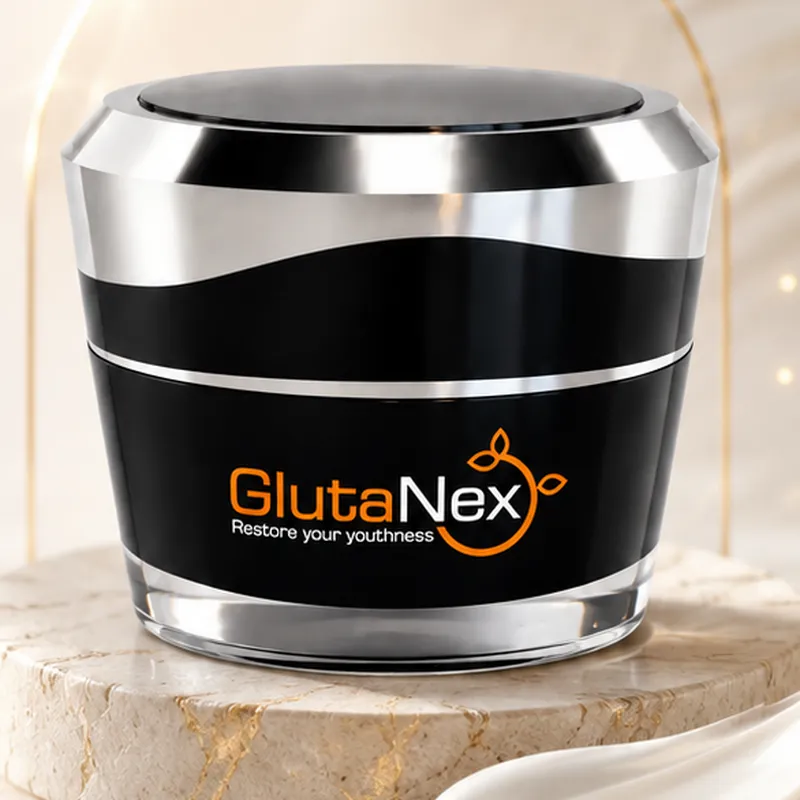 Night Cream
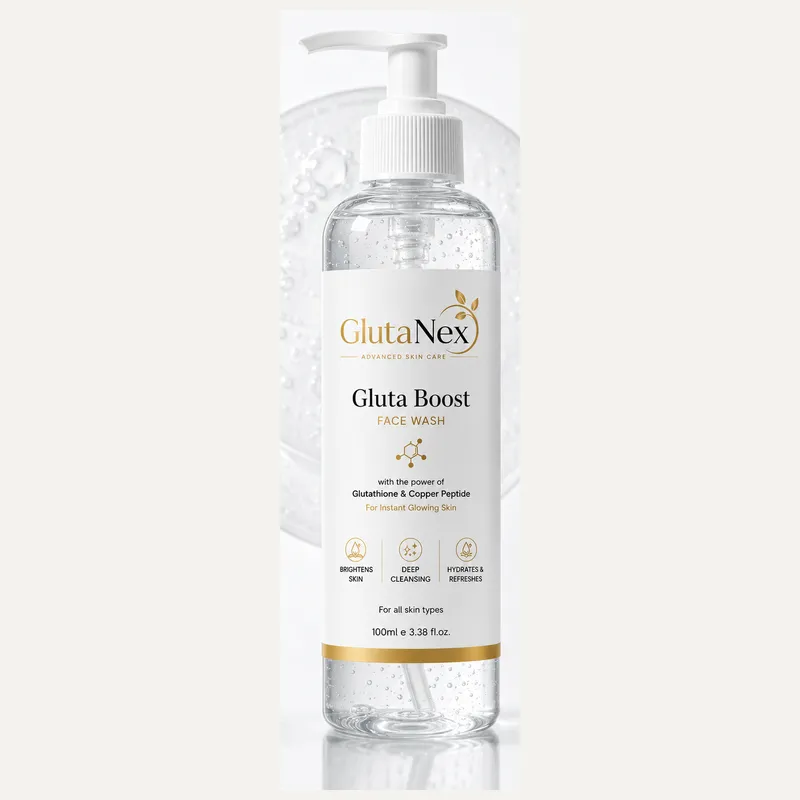 Face Wash
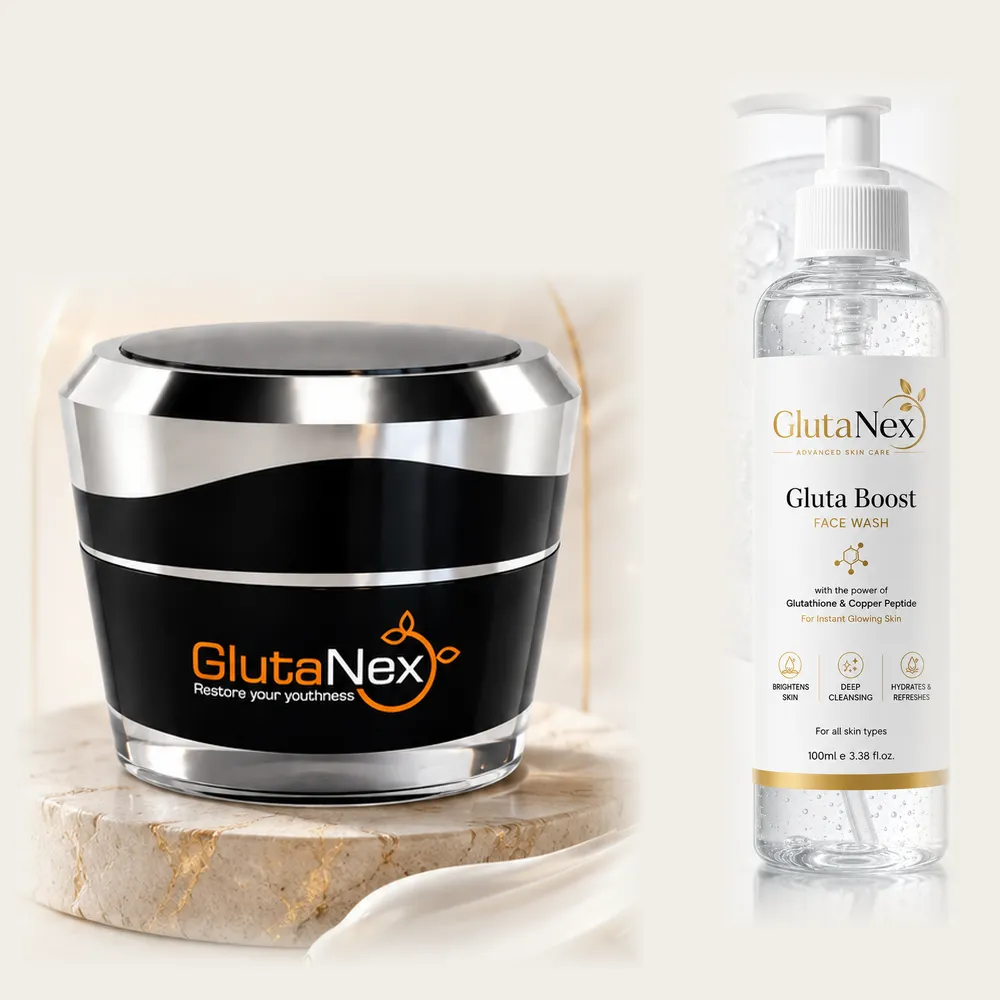 Glow Duo
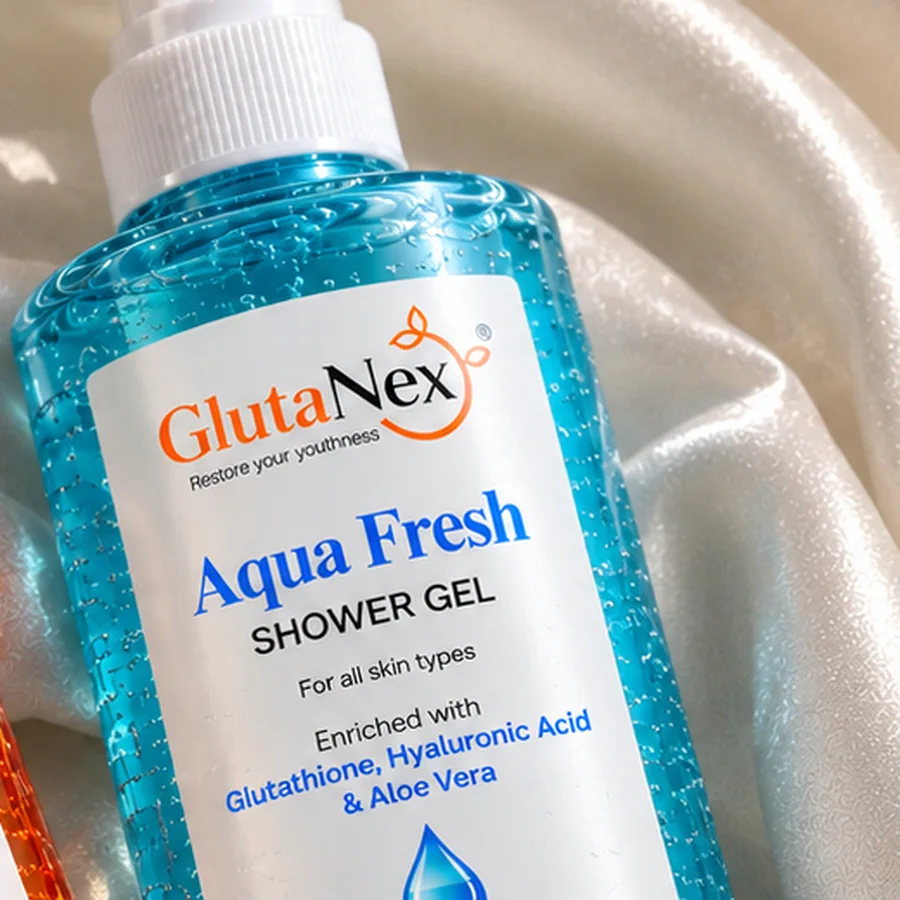 Shower Gel
 Wash + Gel Combo
 Cream + Gel Combo
 Glow Trio
