
Glutathione vs alpha arbutin: which is better for your skin?
How glutathione and alpha arbutin compare, who each suits, and whether to use them together.
- Alpha arbutin is often used for targeted dark spots; glutathione suits overall tone.
- Both are gentle compared with prescription lighteners.
- They can be used together; patch test first.
Which is better for dark spots, glutathione or alpha arbutin?
For a specific dark spot or patch, alpha arbutin is the more targeted choice; for overall dullness, tan and uneven tone, glutathione is a gentle option with antioxidant support. Both work slowly, over 8 to 12 weeks with daily sunscreen, and they can be used together.
Can I use alpha arbutin and glutathione together?
Yes. Both slow tyrosinase, the enzyme behind melanin, and they are often combined in one product. Patch test, add one new product at a time and use sunscreen every morning.
| Glutathione | alpha arbutin | |
|---|---|---|
| What it is | Antioxidant tripeptide | Plant-derived brightening ingredient related to hydroquinone, but much gentler |
| Main skin use | Overall brighter, even-looking tone | Dark spots and patches |
| How it works | Slows tyrosinase; antioxidant | Slows tyrosinase |
| Evidence | Small studies | Small to moderate studies |
| Gentleness | Generally gentle | Generally gentle at usual cosmetic levels |
| Best for | Dullness, tan, antioxidant support | Targeted dark spots |
Which is better?
Alpha arbutin is often chosen for specific dark spots, while glutathione suits overall dullness and tan and adds antioxidant protection. Both are gentle options compared with prescription lighteners.
Can you combine them?
Yes, many brightening products contain both. Introduce one new product at a time, patch test, and keep using sunscreen daily.
Which to choose for your concern
| Concern | Good starting point |
|---|---|
| Tan on face and neck | Sunscreen first, then a glutathione night cream |
| A few stubborn dark spots or acne marks | Alpha arbutin, or a routine with both |
| Dull, tired-looking skin | Glutathione or vitamin C, with a gentle face wash |
| Uneven tone overall | Glutathione with niacinamide |
| Patchy brown areas on both cheeks | A dermatologist: this may be melasma |
How to use both in one routine
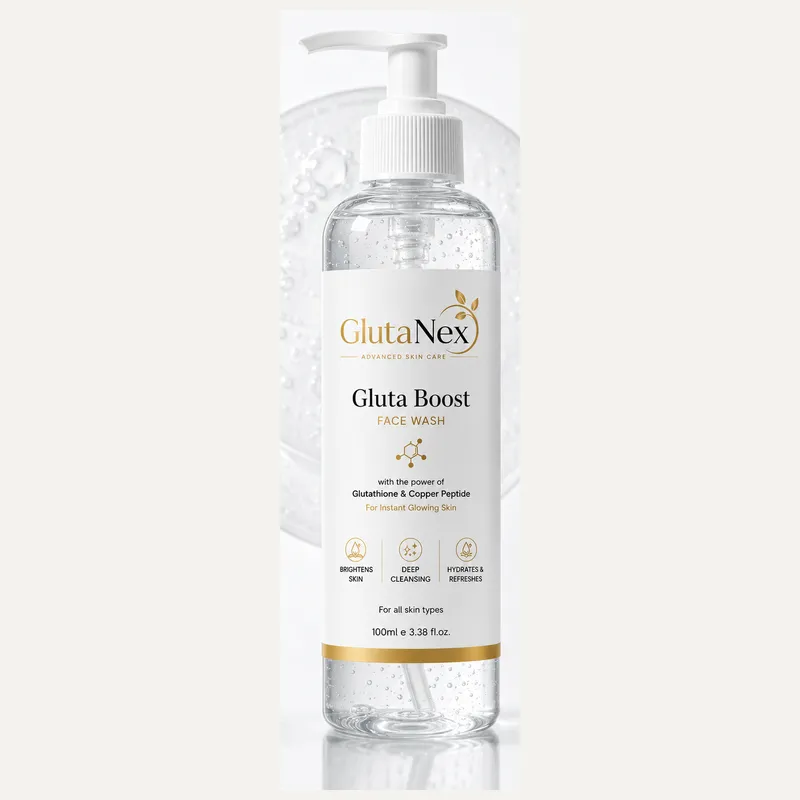
- Morning: gentle face wash, an alpha arbutin serum if you use one, then SPF 30 or higher sunscreen.
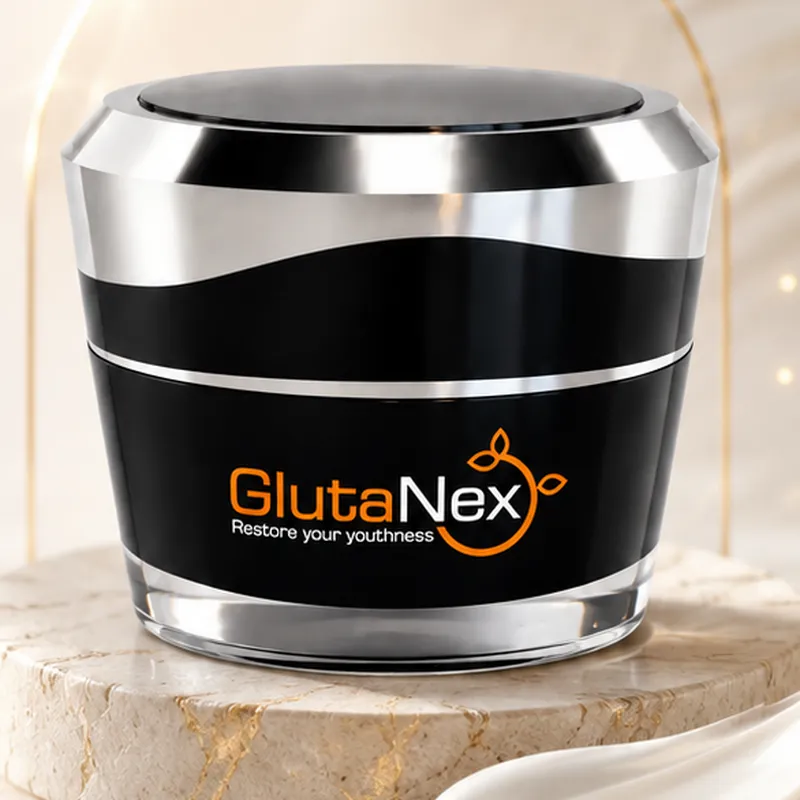
- Night: gentle face wash, then a glutathione cream such as GlutaNex Glutathione Night Cream.
- Add the second product only after two weeks on the first, so you know what your skin is reacting to.
The GlutaNex Night Cream contains glutathione, niacinamide and vitamin C; it does not contain alpha arbutin. Full ingredient notes: glutathione cream ingredients.
Side effects and safety
Both are generally gentle at usual cosmetic levels. Either can cause mild redness or itching on some skin, so patch test. Be wary of any product, with either ingredient, that promises results in days or a permanent change: such claims can point to harsh or undisclosed ingredients (Sonthalia, Daulatabad & Sarkar, IJDVL 2016).
For a wider view of dark spots, see glutathione for dark spots and tan and glutathione for pigmentation.
Frequently asked questions
Is alpha arbutin better than glutathione for dark spots?
Alpha arbutin is often used for targeted dark spots, while glutathione suits overall tone. Both work gradually with daily sunscreen.
Is alpha arbutin safer than glutathione?
Both are generally well tolerated in cosmetics. Alpha arbutin is a gentler relative of hydroquinone, and glutathione is an antioxidant the body makes itself. Patch test either one.
Which works faster, glutathione or alpha arbutin?
Neither is fast. Expect 8 to 12 weeks of daily use with sunscreen for either, and older spots may fade only partly.
Do glutathione or alpha arbutin change skin colour permanently?
No. Both can help spots and tan look lighter over weeks, but neither changes your natural skin colour, and sun exposure brings new pigment back.
- Sonthalia S, Daulatabad D, Sarkar R. Glutathione as a skin whitening agent: facts, myths, evidence and controversies. Indian J Dermatol Venereol Leprol. 2016;82(3):262-272.
- Khanna R, Rambhia P, Chapas A. Systematic review of the efficacy and safety of topical glutathione in dermatology. J Clin Aesthet Dermatol. 2025;18(9):51-54.
General information about cosmetic skincare, not medical advice. Results vary from person to person. See a dermatologist for persistent or changing pigmentation.
More glutathione guides
Glutathione: what it is, what it does for skin, and how to use it safely
The complete guide: what glutathione is, how it affects skin, every form compared, and the research.
GuideGlutathione vs hydroquinone: which is better for your skin?
How glutathione and hydroquinone compare, who each suits, and whether to use them together.
GuideGlutathione cream for men: does it work and how to use it
Why men use glutathione cream, how to fit it around shaving, and what to expect.
 Night Cream
 Face Wash
 Glow Duo
 Shower Gel
 Wash + Gel Combo
 Cream + Gel Combo
 Glow Trio
