
Sheet mask with glutathione cream: the right order and how often
Can you use a sheet mask with glutathione cream? Yes: sheet mask first, pat in the extra essence, let it dry, then a thin layer of cream. When to keep them on separate nights, which masks to skip with retinol, and honest results.
Should I apply cream after a sheet mask?
Yes. A sheet mask adds water to the skin, and a cream on top helps hold it in. Remove the mask, pat the leftover essence in, let your face dry for a few minutes, then apply a thin layer of night cream or moisturiser.
Can I use a sheet mask with glutathione cream?
Yes, with a plain hydrating mask. Use the mask first and the cream after. If your glutathione cream has retinol or salicylic acid, avoid masks with acids, strong vitamin C or retinol on the same night, and in the first few weeks keep masks for nights you skip the cream.
How often should I use a sheet mask?
Once or twice a week is plenty for most people. A sheet mask is a short hydration boost, not a treatment, so using one every day adds little and costs more.
You can use a sheet mask and glutathione cream on the same night: use the sheet mask first, pat the leftover essence in, let your face dry for a few minutes, and then apply a thin layer of glutathione cream. If your cream has retinol or salicylic acid, pick a plain hydrating mask, not one with acids or strong actives.
Sheet masks are now easy to find in India at pharmacies and online, often labelled "brightening", "glow" or even "glutathione". Most are a soaked fabric sheet that gives the skin a short drink of water and humectants. That makes them a nice extra before an event or in dry winter weather, as long as you use them in the right order.
What a sheet mask can and cannot do
| What it can do | What it cannot do | |
|---|---|---|
| Hydration | Leave skin feeling plump and soft for the evening or next morning | Replace a daily moisturiser |
| Look | Give a fresh, dewy look before an event | Change your natural skin colour |
| Spots and tan | Very little on its own; a 15-minute mask is too short | Fade dark spots or remove tan; daily sunscreen and steady use of a cream matter more |
| With a cream | Damp, well-hydrated skin can make a cream feel easier to spread | Make a cream "work faster" |
The right order, step by step
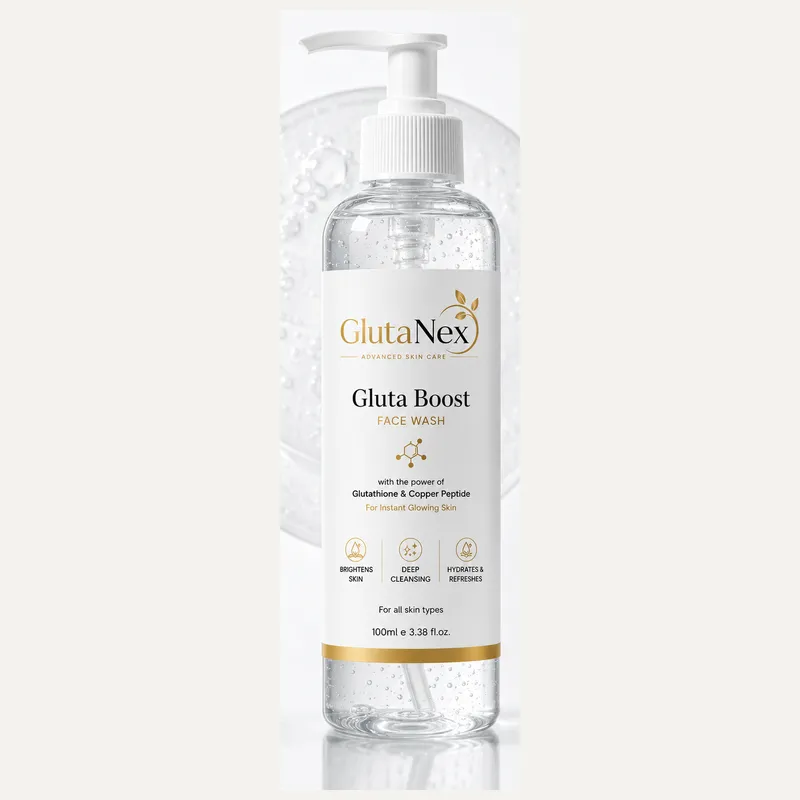
- Wash your face with a gentle face wash such as Gluta Boost Face Wash and pat dry.
- Open the mask and unfold it carefully. Line up the eye and mouth holes first, then smooth it out from the centre.
- Leave it on for 15 to 20 minutes, or the time on the pack. Take it off before it starts to dry, because a drying sheet can pull water back out of the skin.
- Pat in the leftover essence with your fingertips. Do not rinse unless the pack says so or it feels sticky.
- Wait 5 to 10 minutes until your face feels dry to the touch.
- Apply a pea-sized amount of glutathione cream for the whole face, then a plain moisturiser if you need more. See glutathione cream and moisturiser for layering.
- Sunscreen every morning, SPF 30 or higher.
A mask kept in the fridge feels cooling on hot or puffy days. Throw the sheet away after one use; do not reuse it or save the leftover essence for days.
Which sheet masks go well with glutathione cream
| Mask type (check the label) | Same night as a retinol cream? | Notes |
|---|---|---|
| Hyaluronic acid, glycerin, aloe vera, centella | Usually fine once your skin is used to retinol | Plain hydrating masks; see glutathione and hyaluronic acid |
| Niacinamide | Usually fine | GlutaNex Night Cream already has niacinamide, so no need to double up often; see glutathione and niacinamide |
| "Glutathione" or "brightening" masks | Check for acids and vitamin C first | Many are only hydrating; if the label lists AHA, BHA, glycolic, lactic or ascorbic acid, use them on a different night |
| Vitamin C masks | Better on a different night | Strong vitamin C plus retinol on the same night can sting; see glutathione cream with vitamin C serum |
| AHA, BHA or "peeling" masks | Not the same night | Stacks with the salicylic acid and retinol in a night cream |
| Heavily perfumed masks | Skip if sensitive | Fragrance is a common cause of itch and redness |
A special note on GlutaNex Night Cream
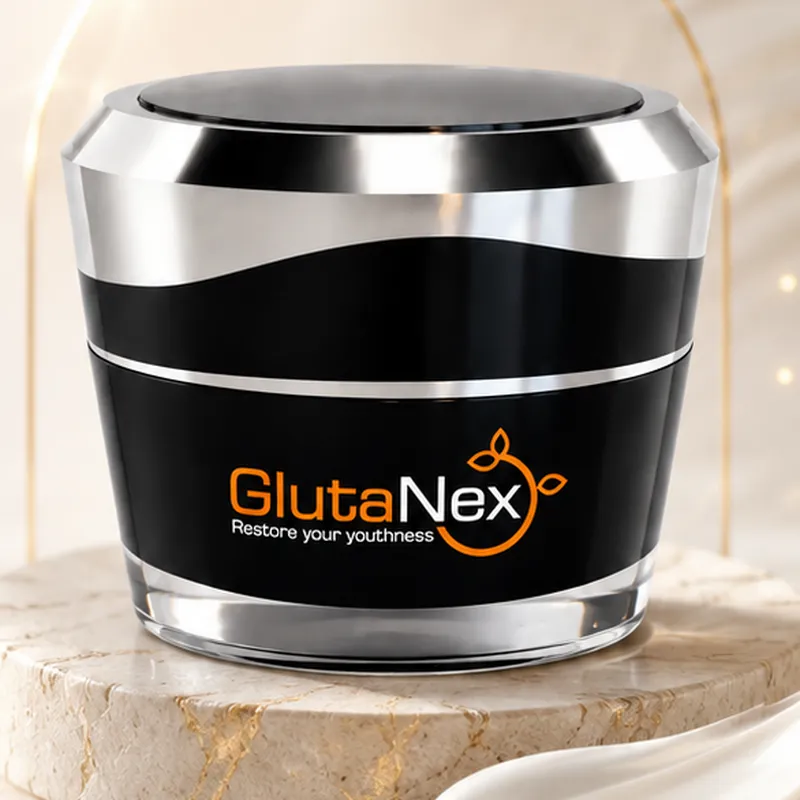
GlutaNex Glutathione Night Cream contains glutathione, niacinamide, hyaluronic acid, vitamin C, retinol, ceramides, salicylic acid, peptides, aloe vera, turmeric and neem. Because of the retinol and salicylic acid, it is a night-only face cream, used 2 to 3 nights a week at first.
- In the first few weeks, use sheet masks on the nights you skip the Night Cream. Follow the mask with a plain moisturiser.
- Once your skin is used to the cream, a plain hydrating mask, fully dried, followed by the Night Cream is usually fine.
- Never put the Night Cream on and then a sheet mask over it; the wet sheet spreads the retinol around and onto the eyelids and lips.
- If your face stings, burns or peels, stop the extras, wash off the cream and read glutathione cream burning.
- Not in pregnancy or breastfeeding unless your doctor says it is fine.
Before a wedding, party or photo day
A sheet mask the night before an event is a simple way to look well rested. Use one you have already tried, not a new brand, and skip any mask with acids that week. In the morning, moisturiser and sunscreen go on before makeup; read makeup after glutathione cream for the right gap. For a longer plan, see glutathione before a wedding.
Winter, AC and oily skin
- Dry winter skin often likes a sheet mask once or twice a week, followed by a slightly richer cream; see glutathione cream in winter.
- Oily or acne-prone skin: pick a light, fragrance-free mask, pat the essence in rather than leaving a sticky layer, and use a thin layer of cream.
- Hot, humid weather: keep the mask in the fridge and skip the extra moisturiser if the cream is enough.
Who should skip sheet masks
- Skin that is red, peeling or broken, or freshly waxed or threaded.
- Sensitive skin that reacts to fragrance: patch test a small piece of the essence on the jawline first, and read glutathione cream for sensitive skin.
- Active, painful acne: ask a dermatologist rather than adding more products.
When to see a dermatologist
See a dermatologist if a mask or cream leaves your skin itchy, swollen or bumpy for more than a day, if dark patches keep spreading, or if acne is painful or leaves deep marks.
General information about cosmetic skincare, not medical advice. Results vary from person to person. See a dermatologist for persistent or changing pigmentation.
More glutathione guides
Glutathione: what it is, what it does for skin, and how to use it safely
The complete guide: what glutathione is, how it affects skin, every form compared, and the research.
GuideGlutathione cream with jojoba oil: how to use them together on dry winter skin
Can you use jojoba oil with glutathione cream? Yes: cream first, one or two drops of oil pressed on top, never mixed into the jar. Who it suits, the right order, retinol-night rules and when to skip it.
GuideGlutathione cream for freckles: what it can honestly do, and what matters more
Can glutathione cream remove freckles? No cream removes them. Freckles are partly genetic and darken with sun, so daily sunscreen matters most, and a brightening cream may help them look a little softer over months.
 Night Cream
 Face Wash
 Glow Duo
 Shower Gel
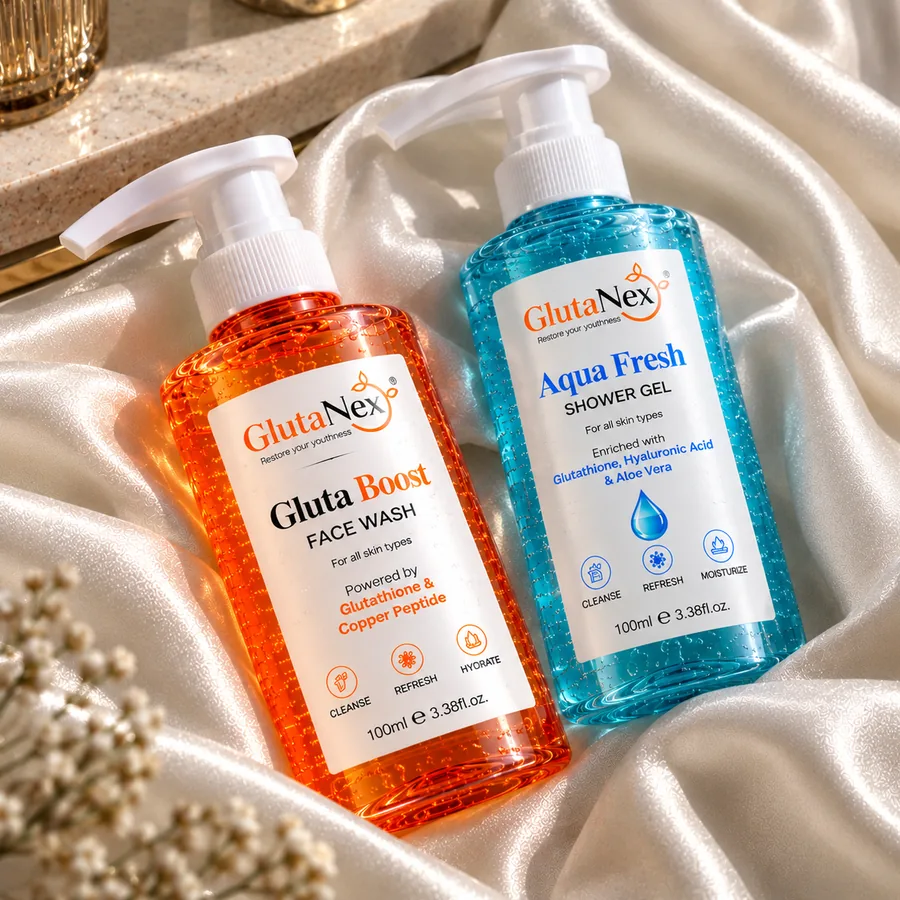 Wash + Gel Combo
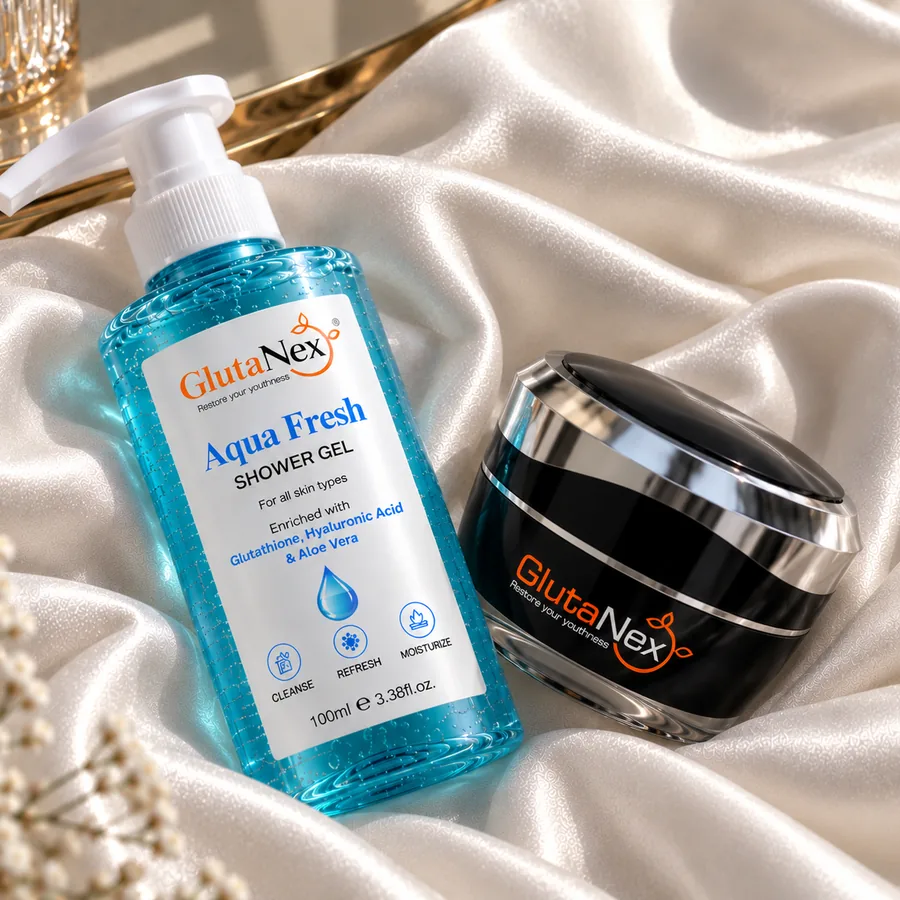 Cream + Gel Combo
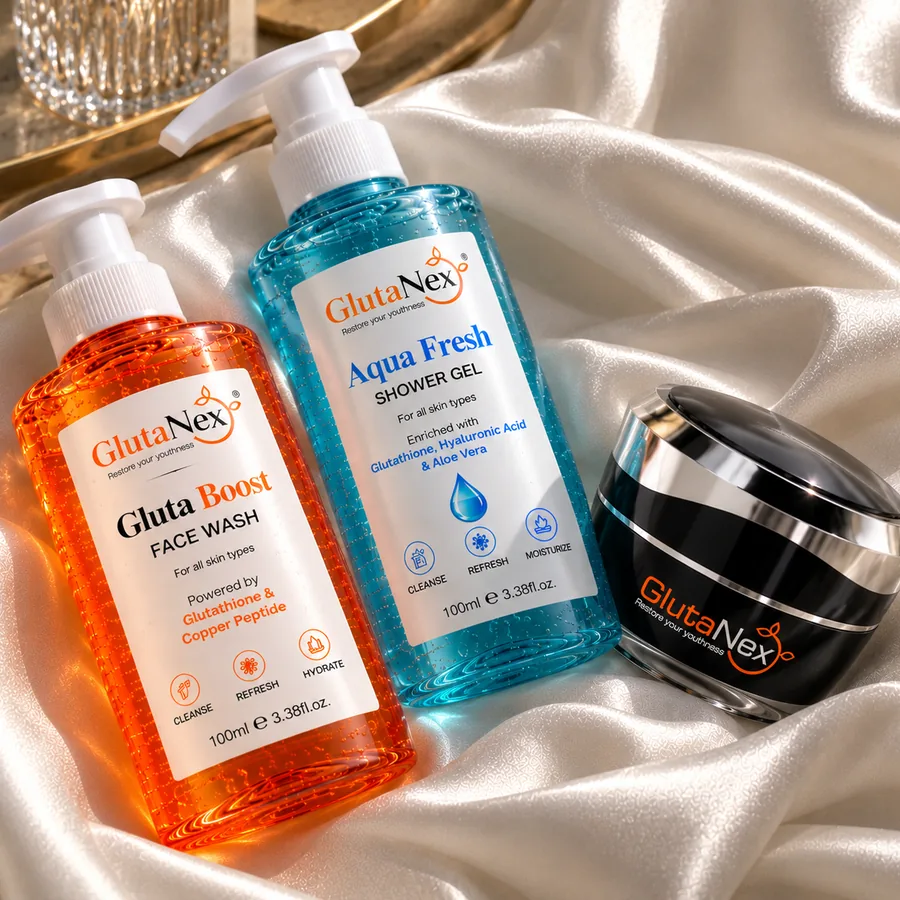 Glow Trio
