
Glutathione cream for pigmentation around the mouth: causes and safe use
Dark skin around the mouth is common in India. Why it happens, whether a glutathione cream can help it look lighter, how to apply near the lips safely, and when to see a doctor.
Can glutathione cream help pigmentation around the mouth?
It can help darkening around the mouth look lighter and more even over 8 to 12 weeks, if the cause is sun, friction or old irritation and you also use sunscreen daily. It will not remove it, and it does little if the cause, such as lip licking or a reaction, keeps going.
Why is the skin around my mouth darker than my face?
Common reasons are lip licking and saliva, sun exposure, friction from threading, waxing or shaving, irritation from toothpaste or fragrance, and dryness. Hormonal changes and some medical conditions can also cause it, so see a doctor if it spreads, is velvety or appears with other symptoms.
Can I apply glutathione night cream on my lips?
No. Keep creams with retinol or salicylic acid off the lips and leave a small gap from the lip line, because that skin is thin and irritates easily. Use a plain lip balm on the lips instead.
A glutathione cream can help darkening around the mouth look lighter and more even over a few months, but only when the cause is something like sun, friction or old irritation, and only with daily sunscreen. It will not remove the darkness, and the skin there is thin and easily irritated, so how you apply the cream matters as much as which cream you choose.
Darker skin around the mouth, sometimes called perioral pigmentation, is common on Indian skin. This guide covers the usual causes, a careful routine, and the signs that mean you should see a dermatologist first.
Common causes on Indian skin
| Cause | What it looks like | What helps |
|---|---|---|
| Lip licking and saliva | A dry, darker ring just outside the lip line, worse in winter | Stop licking, use lip balm, a plain barrier cream at night |
| Sun exposure | Darker upper lip and chin, worse after summer or outdoor work | Sunscreen every morning, including the upper lip |
| Threading, waxing or shaving | Darker upper lip or beard area after repeated hair removal | Soothe after each session; no actives for 24 to 48 hours |
| Irritation from toothpaste, fragrance or harsh products | Redness, itching or small bumps, then darkening | Stop the trigger; see a dermatologist if it keeps coming back |
| Hormonal changes, PCOS or other conditions | Patchy, spreading darkening, sometimes with velvety skin elsewhere | See a doctor; a cream is not the answer here |
If you remove the cause, mild darkening often starts to look better on its own. A cream helps most when the trigger has already stopped.
It also helps to know whether the darkness is only around the mouth or also on the lips themselves. Dark lips have their own causes (smoking, sun, dryness) and the lips need a different, gentler routine. The skin of the upper lip and the corners of the mouth moves all day as you talk and eat, so creams rub off quickly and collect in the folds. That is one reason this area irritates more easily than the cheeks or forehead.
What a glutathione cream can and cannot do here
Glutathione is used for a brighter, more even-looking tone over weeks. A 2025 review called topical glutathione promising but noted the studies are small and short (Khanna et al., J Clin Aesthet Dermatol 2025). Around the mouth, realistic hopes are that the area looks a little less dark and closer to the rest of your face after 8 to 12 weeks of careful use with sunscreen. It does not change your natural skin colour, and claims of a fully "removed" dark ring are not honest. For the bigger picture, read glutathione for pigmentation.
How to apply it safely near the mouth
- Patch test first on the jawline for two nights.
- Cleanse gently at night and pat the area completely dry. Damp skin around the mouth stings more.
- Put plain lip balm or petroleum jelly on the lips first. This keeps the cream from spreading onto them.
- Use a rice-grain amount for the whole area around the mouth and chin, as part of the usual pea-sized amount for the face.
- Leave a small gap of a few millimetres from the lip line and the corners of the mouth, where cream collects and irritates.
- Start 2 to 3 nights a week if the cream has retinol or salicylic acid, and increase slowly.
- Sunscreen every morning on the upper lip and chin too; reapply after eating if you are outdoors. See glutathione cream with sunscreen.
GlutaNex Glutathione Night Cream contains glutathione with niacinamide, vitamin C, hyaluronic acid, ceramides, peptides, aloe vera, turmeric, neem, retinol and salicylic acid. Because of the retinol and salicylic acid it is night-only, never for the lips, and not for broken or freshly waxed skin.
Signs you are overdoing it
- Peeling or cracking at the corners of the mouth.
- Burning that lasts more than a few minutes, or redness the next morning.
- The area becoming darker after a few weeks, which can happen when irritated skin heals.
If any of these happen, stop the active cream, use only a plain moisturiser and lip balm for a week, then restart less often. Read glutathione cream burning for more.
Habits that matter more than the cream
- Stop lip licking. Keep a lip balm with you, especially in winter and in AC rooms.
- Be gentle with hair removal. Do not apply active creams for 24 to 48 hours after threading or waxing the upper lip; men who shave daily should use a gentle shaving routine.
- Rinse after meals if spicy or oily food stays on the skin.
- Keep the area moisturised in winter. Dry, chapped skin around the mouth darkens more easily; a plain cream or petroleum jelly at night on rest nights is enough.
- Notice your toothpaste. If the skin around your mouth itches or turns red after brushing, try a simpler toothpaste and mention it to a dermatologist.
For darker lips themselves, which need a different approach, read glutathione for dark lips. For dark patches on the cheeks and forehead, see glutathione and melasma.
When to see a dermatologist
- The darkening is spreading quickly, or the skin there feels thick or velvety.
- You also have dark, velvety skin on the neck or underarms, irregular periods, or sudden weight change.
- There is a rash, scaling or small bumps around the mouth that keep coming back.
- You are pregnant or breastfeeding: a cream with retinol is not for this time unless your doctor says it is fine.
- Khanna R, Rambhia P, Chapas A. Systematic review of the efficacy and safety of topical glutathione in dermatology. J Clin Aesthet Dermatol. 2025;18(9):51-54.
General information about cosmetic skincare, not medical advice. Results vary from person to person. See a dermatologist for persistent or changing pigmentation.
More glutathione guides
Glutathione: what it is, what it does for skin, and how to use it safely
The complete guide: what glutathione is, how it affects skin, every form compared, and the research.
GuideGlutathione cream with coconut oil: can you use both, and in what order?
Can you apply coconut oil with glutathione cream? Which goes first, where coconut oil helps and where it can clog pores, and a simple plan for face and body in Indian weather.
GuideRice water with glutathione cream: how to use both, and what to avoid
Can you use rice water with glutathione cream? The right order, fresh vs fermented rice water, hygiene tips, and an honest look at what rice water can and cannot do for Indian skin.
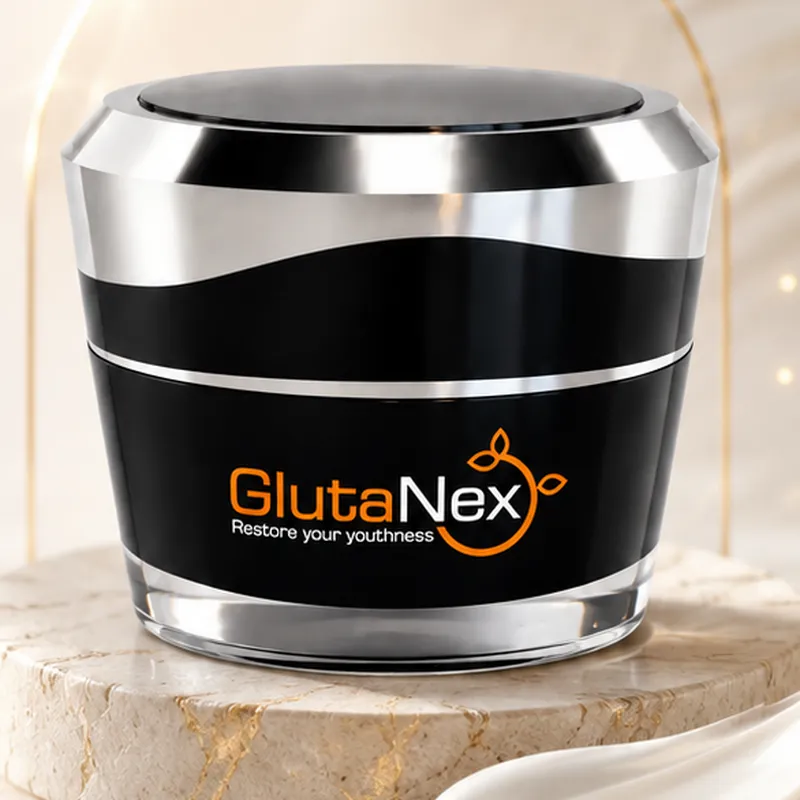 Night Cream
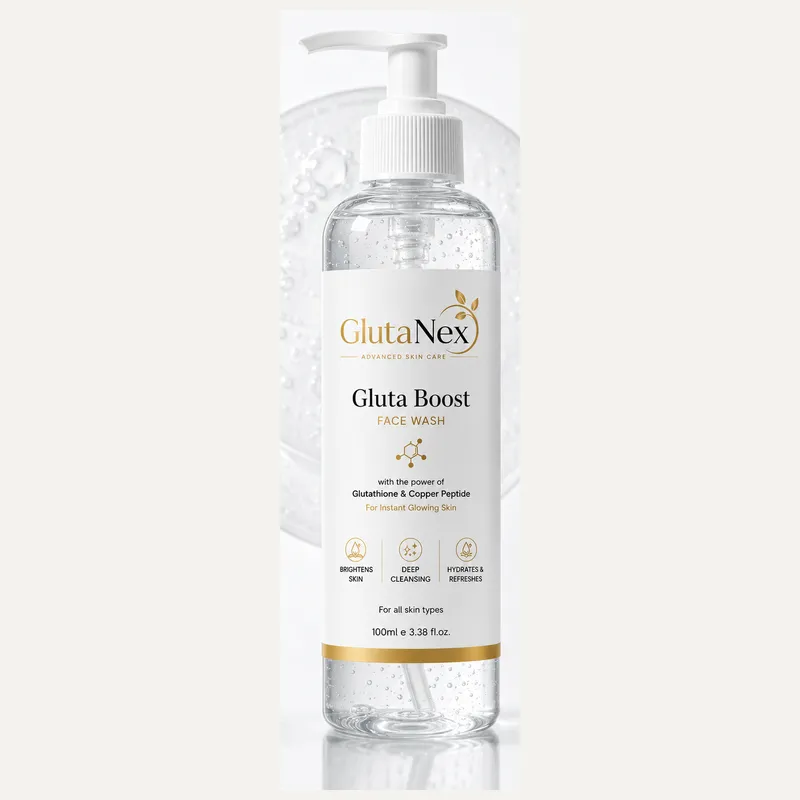 Face Wash
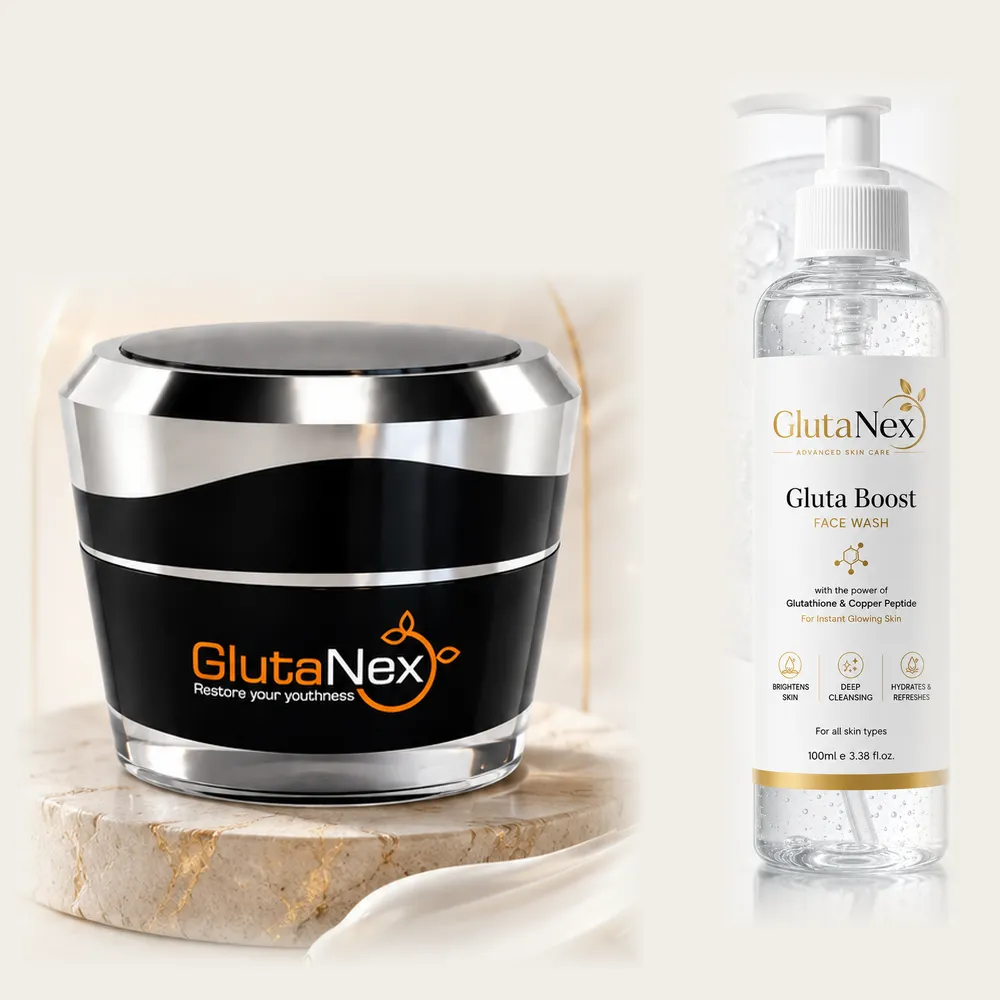 Glow Duo
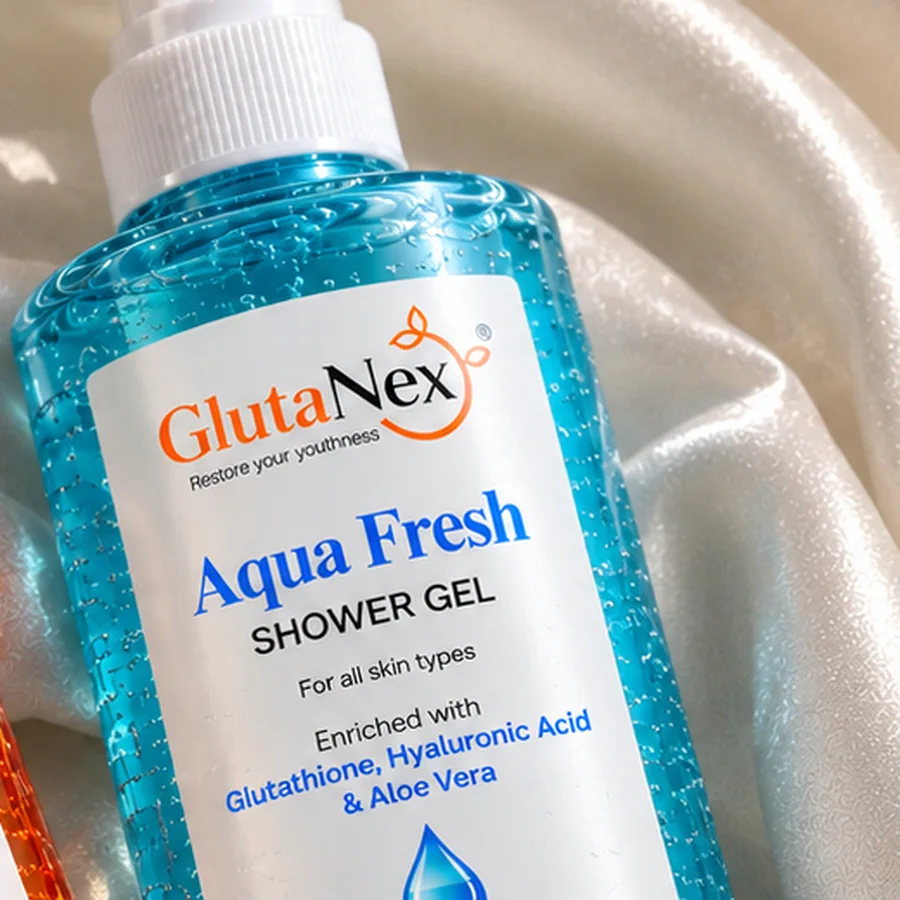 Shower Gel
 Wash + Gel Combo
 Cream + Gel Combo
 Glow Trio
