
Rice water with glutathione cream: how to use both, and what to avoid
Can you use rice water with glutathione cream? The right order, fresh vs fermented rice water, hygiene tips, and an honest look at what rice water can and cannot do for Indian skin.
Can I apply glutathione cream after rice water?
Yes. Use rice water as a toner on clean skin, let it dry for a minute or two, then apply a thin layer of glutathione cream. Use plain fresh rice water rather than fermented rice water on nights you use a cream with retinol or acids, as fermented water is more acidic and can sting.
Can I mix rice water into glutathione cream?
No. Adding water to a cream jar can spoil it, as home-made rice water is not preserved and grows germs quickly. It also thins the cream unevenly. Keep them as separate steps: rice water first, cream after.
Does rice water with glutathione make skin fair?
No. Neither rice water nor glutathione changes your natural skin colour. Rice water can leave skin feeling soft and fresh for a while. A glutathione cream used with daily sunscreen may help tan and dark marks look lighter slowly, over 8 to 12 weeks.
You can use rice water with glutathione cream: splash or pat rice water on clean skin as a toner, let it dry, then apply the cream. Use fresh rice water, keep it in the fridge and throw it away after a day, and do not mix it into the cream jar.
Chawal ka pani has gone from a grandmother's tip to a social media trend, often sold as "Korean glass skin" in a bowl. It is a pleasant, cheap toner for many people, but it is not a substitute for sunscreen or a tested product. This guide gives the right order, which kind to use, hygiene rules and what to expect.
Rice water vs glutathione cream at a glance
| Rice water | Glutathione cream | |
|---|---|---|
| What it is | Starchy water left after soaking or boiling rice | A leave-on cream with glutathione and usually other actives |
| Main cosmetic job | Feels soothing and soft, like a mild toner | Brighter, more even-looking tone over weeks |
| Evidence | Mostly tradition and small lab studies | Small, short studies; promising but limited (Khanna et al., J Clin Aesthet Dermatol 2025) |
| Main downside | No preservative; spoils within a day or two | Works slowly; needs sunscreen every morning |
The right order
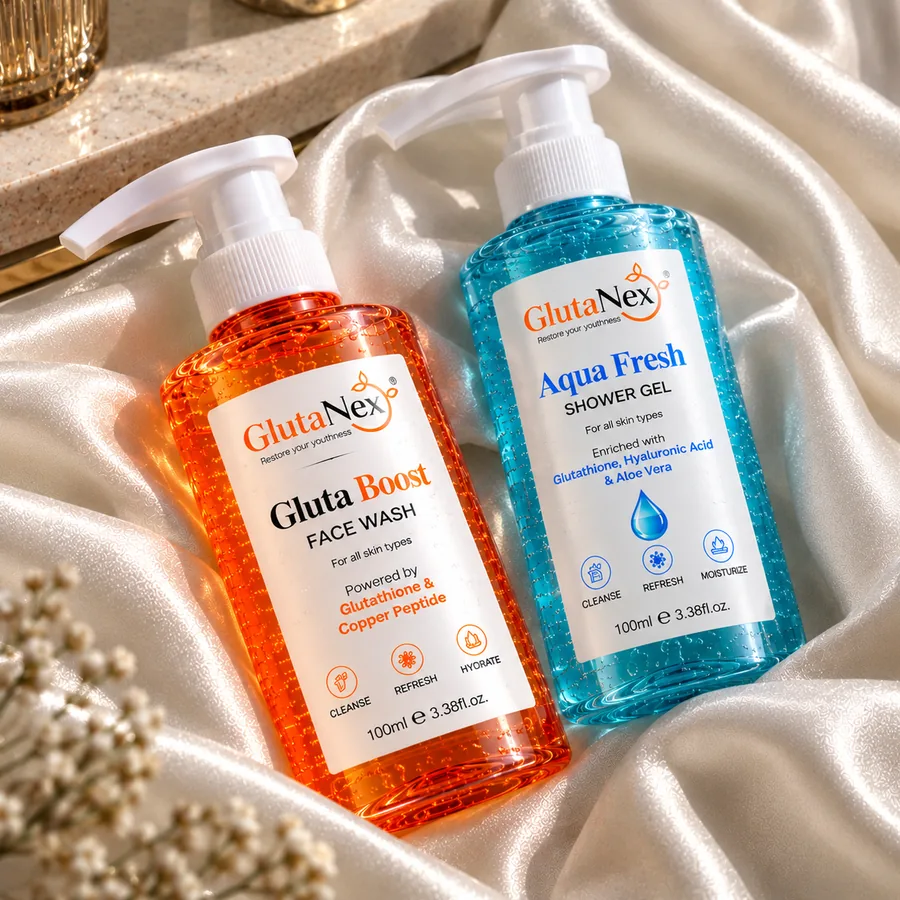
- Cleanse with a gentle face wash such as Gluta Boost Face Wash and pat dry.
- Apply rice water with clean hands or a fresh cotton pad. Pat, do not rub.
- Let it dry fully, about 1 to 2 minutes. Applying cream on a wet face can make actives sting more.
- Apply the glutathione cream: a pea-sized amount for the whole face, thin layer.
- Morning: gentle wash and sunscreen, SPF 30 or higher, every day.
This is the same order as any toner. If you also use gulab jal, see rose water with glutathione cream; use one toner at a time, not both.
Fresh, boiled or fermented rice water?
| Type | How it is made | Use with an active cream? |
|---|---|---|
| Soaked (fresh) | Rinse rice once, soak in clean water for 20 to 30 minutes, strain | Yes, the gentlest choice |
| Boiled | Extra water from cooking rice, cooled | Yes, once cool and diluted with clean water |
| Fermented | Left out for a day or more until it smells sour | Not on the same night as retinol or acids; can sting and irritate |
Use clean, filtered or boiled-and-cooled water to make it. If your skin is dry, follow the cream with a little extra care on rest nights; see glutathione cream for dry skin.
Hygiene rules most videos skip
- Make a small amount each time, enough for a day or two.
- Keep it in a clean, closed bottle in the fridge and throw it away after a day or two, or sooner if it smells sour, looks cloudy-slimy or changes colour (unless you meant to ferment it).
- Never pour rice water into your cream jar or dip wet fingers into the cream.
- Do not spray it near the eyes and do not use it on broken or freshly waxed skin.
Using rice water with GlutaNex Night Cream
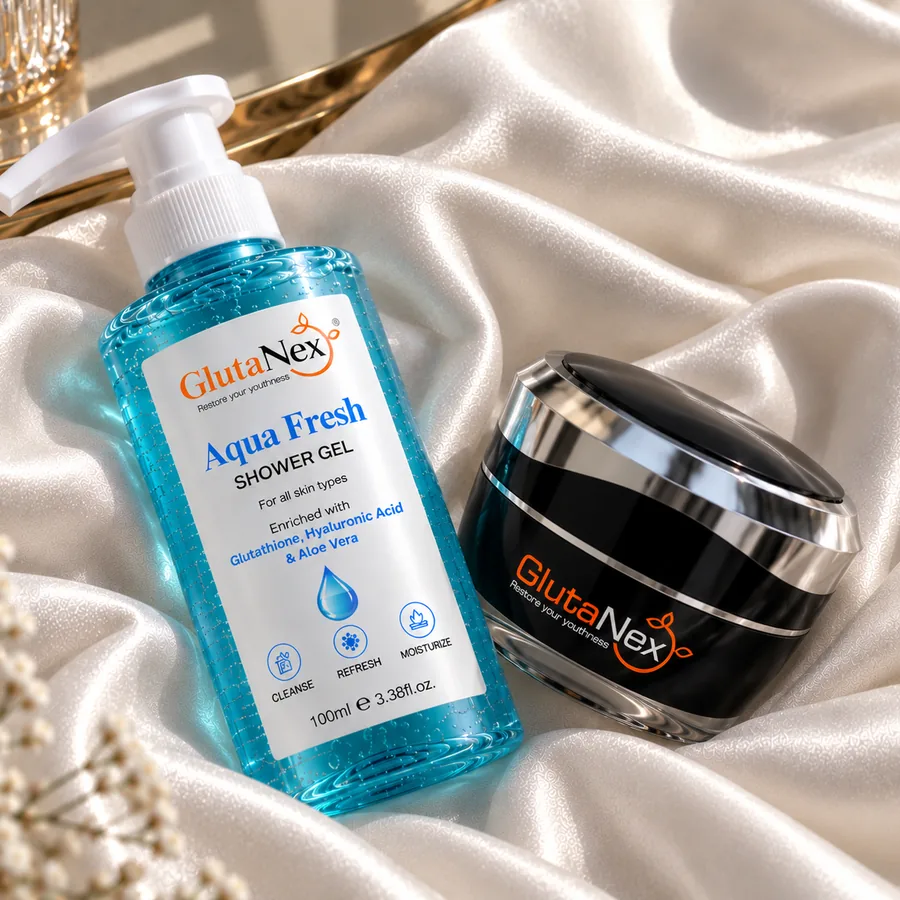
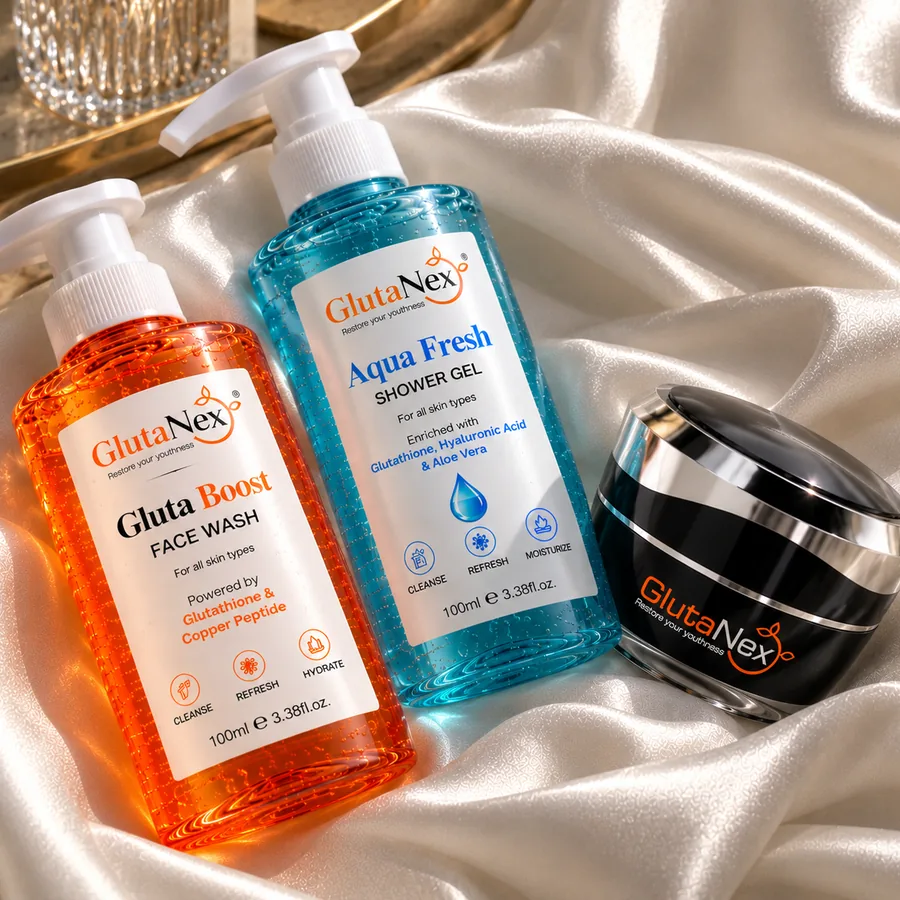
GlutaNex Glutathione Night Cream contains glutathione, niacinamide, hyaluronic acid, vitamin C, retinol, ceramides, salicylic acid, peptides, aloe vera, turmeric and neem. Because of the retinol and salicylic acid it is night-only and best started 2 to 3 nights a week.
- On cream nights, fresh soaked rice water as a toner is fine for most people once it has dried.
- Keep fermented rice water, and rice-flour scrubs or packs, for nights you do not use the cream. Scrubbing plus retinol is a common cause of stinging; see glutathione cream burning.
- On rest nights, rice water followed by a plain moisturiser is a gentle routine. See glutathione cream and moisturizer.
A simple weekly plan
| Night | Routine |
|---|---|
| Mon, Wed, Fri | Wash, fresh rice water, glutathione cream |
| Tue, Thu, Sat | Wash, rice water (fresh or fermented), plain moisturiser |
| Sunday | Optional mild pack on a rest night, such as multani mitti for oily skin, then moisturiser |
| Every morning | Gentle wash and sunscreen |
Add more cream nights only once your skin is comfortable. Full routine: how to use glutathione cream.
Honest expectations
Rice water can leave skin feeling soft and look a little fresher, and many people simply enjoy it. It does not remove tan, pigmentation or acne marks, and "glass skin in 7 days" claims are not realistic. Any brighter look from glutathione builds slowly, over 8 to 12 weeks with daily sunscreen. See how long glutathione takes to work and glutathione for dull skin.
Who should be careful
- Sensitive or eczema-prone skin: patch test rice water and the cream separately on the jawline first. See glutathione cream for sensitive skin.
- Acne-prone skin: starch left on the skin can feel sticky for some; rinse lightly if so. For painful acne, see a dermatologist.
- Pregnancy or breastfeeding: a cream with retinol is not for this time unless your doctor says it is fine.
- Khanna R, Rambhia P, Chapas A. Systematic review of the efficacy and safety of topical glutathione in dermatology. J Clin Aesthet Dermatol. 2025;18(9):51-54.
General information about cosmetic skincare, not medical advice. Results vary from person to person. See a dermatologist for persistent or changing pigmentation.
More glutathione guides
Glutathione: what it is, what it does for skin, and how to use it safely
The complete guide: what glutathione is, how it affects skin, every form compared, and the research.
GuideGlutathione cream with glycerin: can you use both, and in what order?
Can you apply glycerin with glutathione cream? How to dilute glycerin, which goes first, why it can feel sticky, and a winter plan for face and body in Indian weather.
GuideGlutathione cream with lemon: should you mix lemon juice into your routine?
Can you use lemon juice with glutathione cream? Why fresh lemon on the face is a bad idea, especially with active creams and Indian sun, and safer ways to target tan and dull-looking skin.
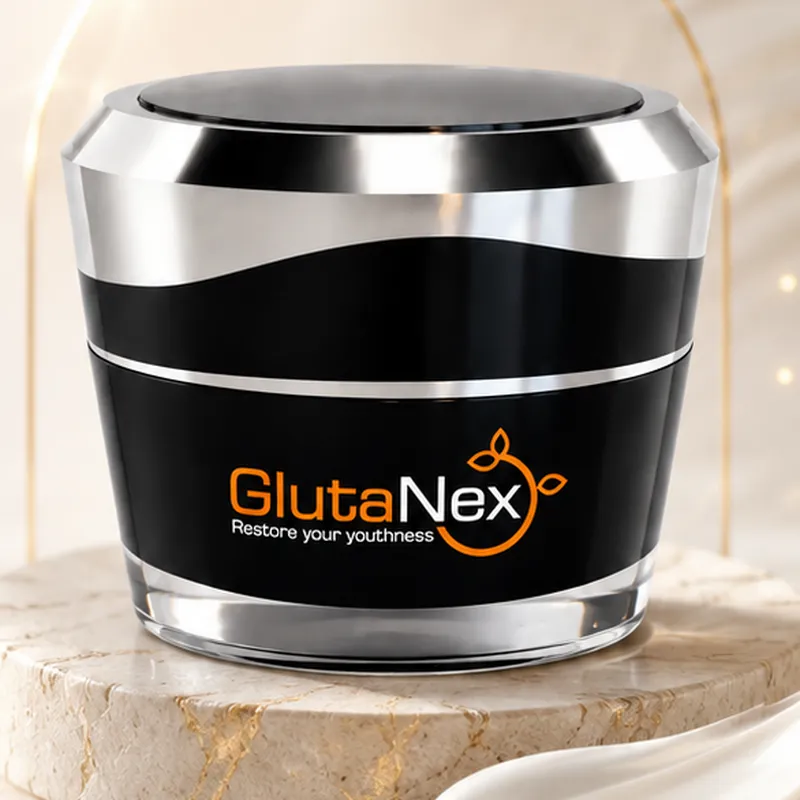 Night Cream
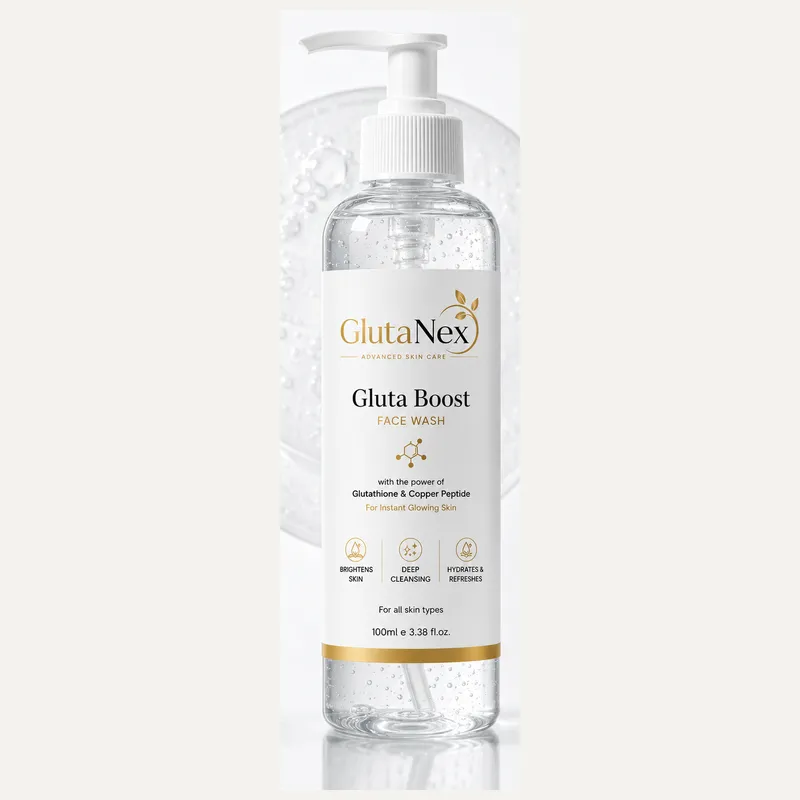 Face Wash
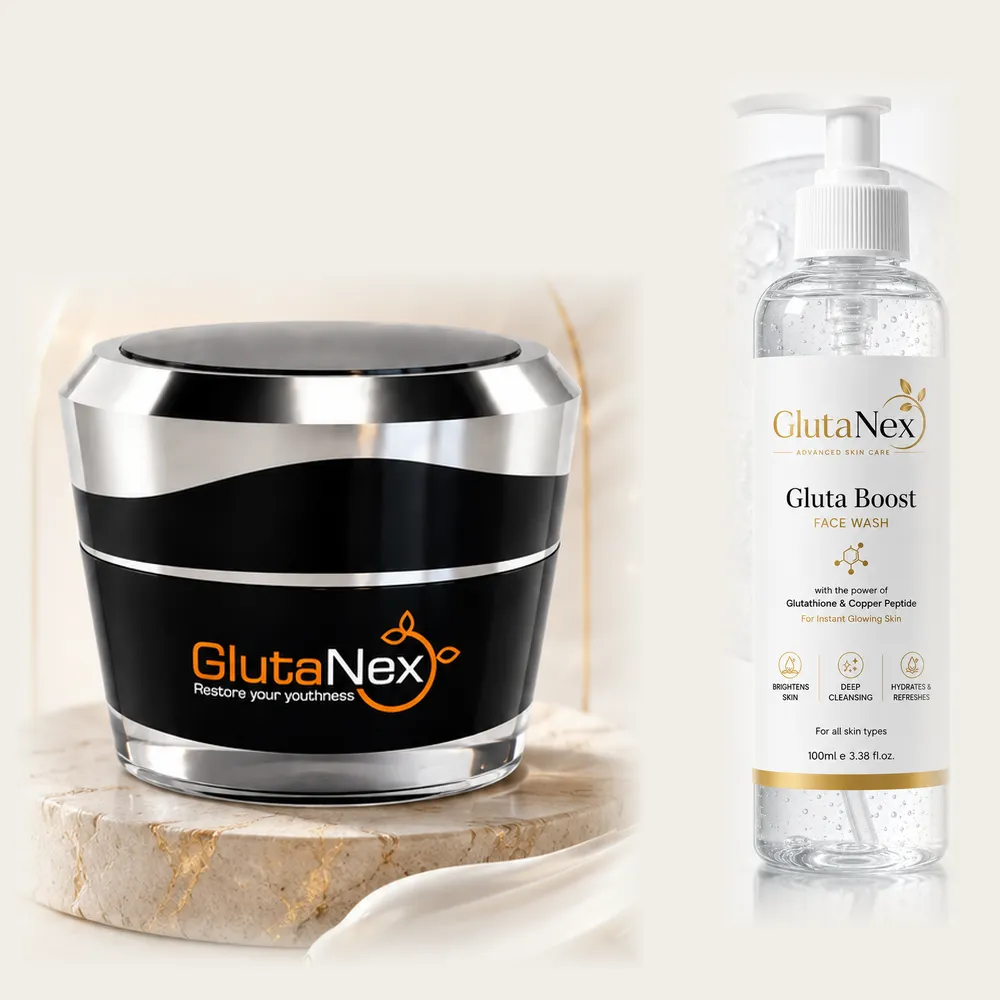 Glow Duo
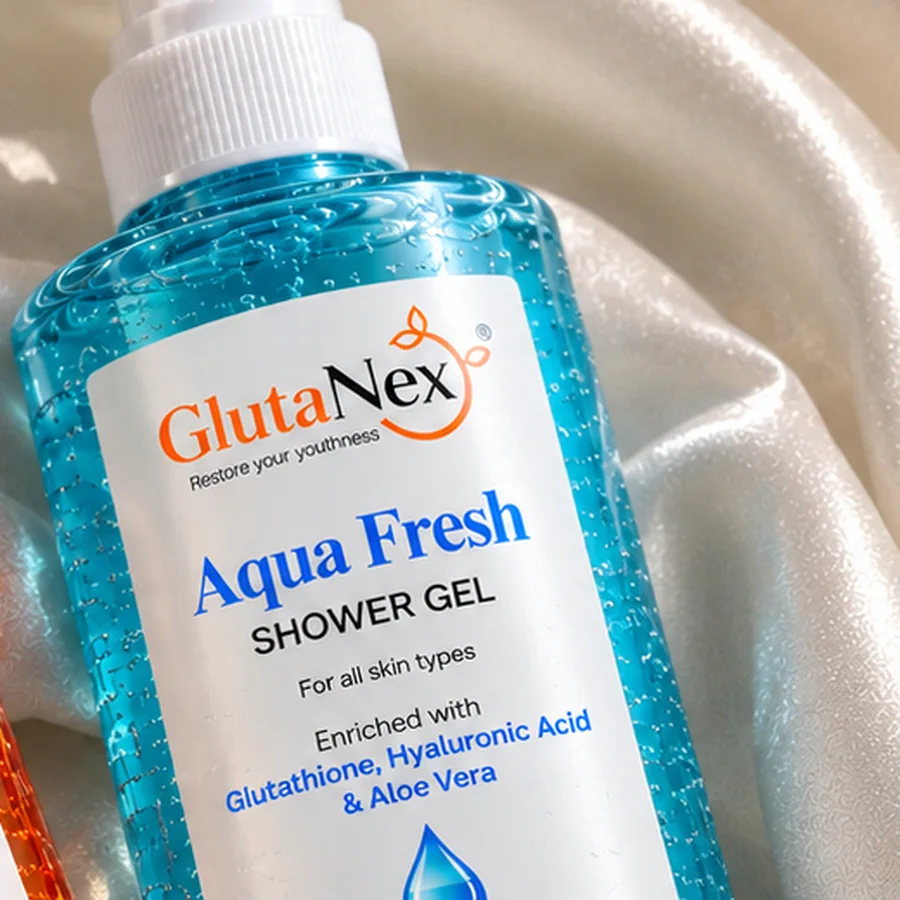 Shower Gel
 Wash + Gel Combo
 Cream + Gel Combo
 Glow Trio
