
Glutathione cream with almond oil (badam rogan): can you use both on your face?
Can you use almond oil or badam rogan with glutathione cream? Cream first, a few drops of oil only on dry areas, never mixed into the jar. Order, who should skip it, honest results.
Can I use almond oil with glutathione cream?
Yes, as two separate layers. Apply the glutathione cream first on clean skin, let it settle, then press one or two drops of plain almond oil only onto dry areas such as the cheeks or around the nose. Do not mix the oil into the jar, skip it on oily or acne-prone skin, and patch test first.
Should I apply almond oil before or after glutathione cream?
After. Oil sits on top of the skin, so a layer of almond oil underneath makes the cream slide around and sit on top of grease. The cream goes on clean skin first, then a few drops of oil only where skin feels dry.
Does almond oil with glutathione make skin fair?
No. Almond oil only softens dry skin. A glutathione cream with daily sunscreen may help tan and dark marks look lighter slowly over 8 to 12 weeks. Neither changes your natural skin colour.
You can use almond oil with glutathione cream, but as a few drops on dry areas after the cream, not as a full-face layer and never mixed into the jar. Almond oil is a soft, nourishing oil that can help very dry winter skin feel comfortable; on oily or acne-prone skin, or over a retinol cream in the first weeks, it often causes more trouble than it solves.
Badam rogan and sweet almond oil are a winter habit in many Indian homes, used for face massage, under the eyes and on dry hands. This guide explains how to fit almond oil around a glutathione cream, who should skip it, and what it can and cannot do.
Almond oil vs glutathione cream at a glance
| Plain almond oil | Glutathione cream | |
|---|---|---|
| Main cosmetic job | Softens and seals in moisture on dry skin | Brighter, more even-looking tone over weeks |
| Where it goes | Last layer, 1 to 2 drops, dry areas only | Thin layer on clean face as the night step |
| Texture | Light-to-medium oil, stays slightly shiny | Spreads and absorbs as a cream |
| Main downside | Can clog pores on oily skin; can go rancid; nut allergy risk | Works slowly; needs sunscreen every morning |
| What it cannot do | Fade spots, tan or dark circles on its own, or change skin colour | Change your natural skin colour |
The right order on a dry winter night
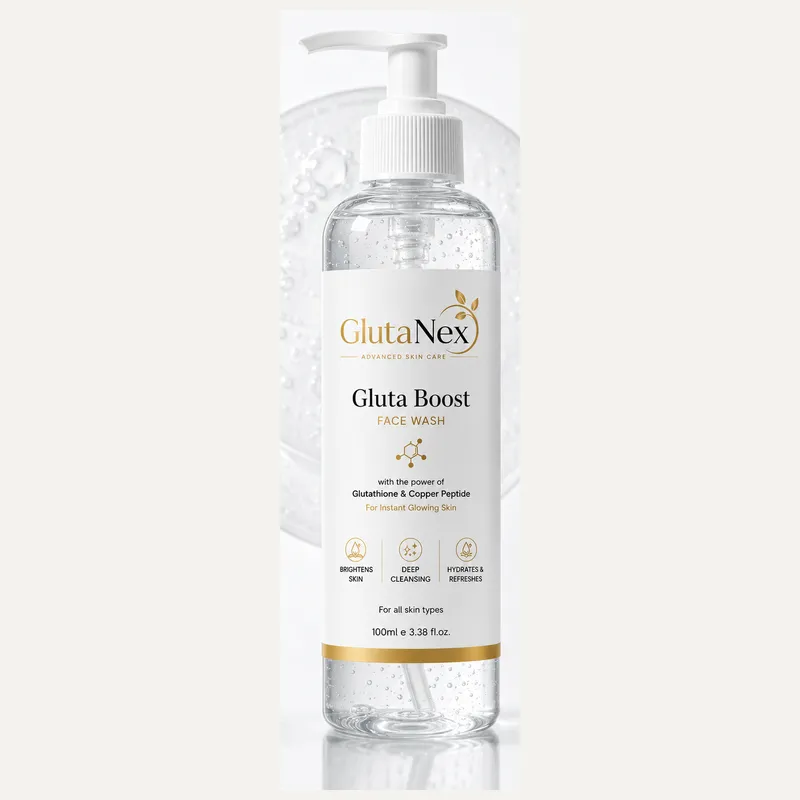
- Cleanse with a gentle face wash such as Gluta Boost Face Wash and pat the face almost dry.
- Apply the glutathione cream as a thin, pea-sized layer over the face and neck, away from the eyes, lips and nose corners.
- Wait a few minutes so the cream settles.
- Warm 1 to 2 drops of almond oil between your fingertips and press them onto dry cheeks or flaky spots only. Do not rub hard or massage over the cream.
- Sunscreen every morning, SPF 30 or higher.
If you like an almond oil face massage, do it on a separate night with no active cream, then wash off the excess and use a plain moisturiser. For general layering rules, see how to use glutathione cream and glutathione cream and moisturizer.
A special note on GlutaNex Night Cream
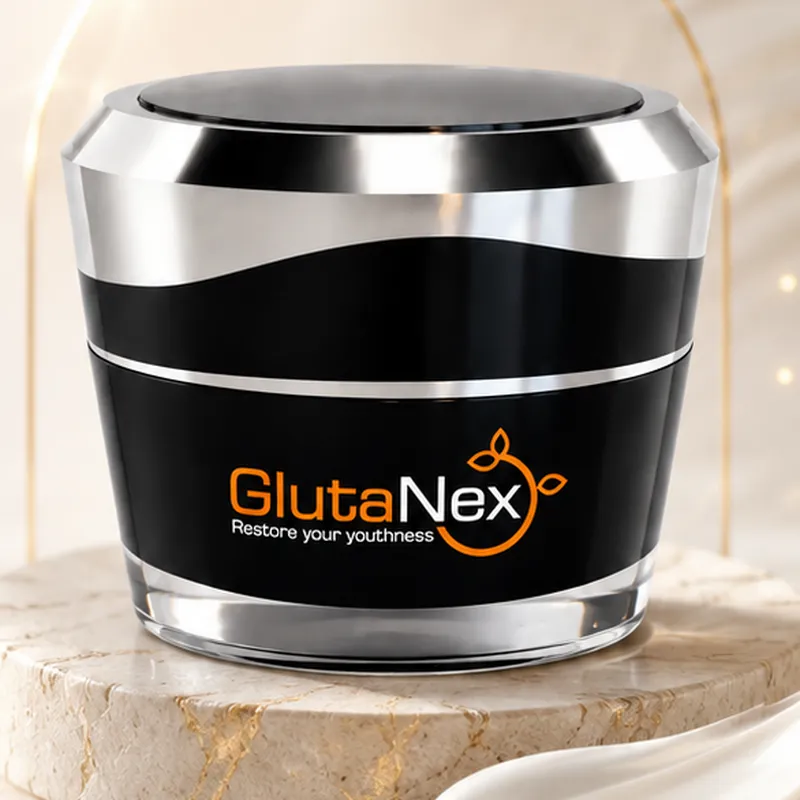
GlutaNex Glutathione Night Cream contains glutathione, niacinamide, hyaluronic acid, vitamin C, retinol, ceramides, salicylic acid, peptides, aloe vera, turmeric and neem. It does not contain almond oil, and its ceramides and hyaluronic acid already help with comfort, so most faces do not need oil on top.
- The cream is for night only because of the retinol and salicylic acid. Start it 2 to 3 nights a week.
- In the first 4 to 6 weeks, do not seal the Night Cream under oil across the whole face; covering a retinol cream can make redness and peeling feel stronger.
- On rest nights, a plain moisturiser with a drop of almond oil on dry patches is fine.
- If the cream stings, wash it off and read glutathione cream burning.
Which skin types suit almond oil
| Skin type or situation | Almond oil with the cream? |
|---|---|
| Very dry skin in a cold, dry winter or heater room | Yes, 1 to 2 drops on dry areas after the cream. See glutathione cream in winter |
| Normal or combination skin | Only on a dry spot or two, never on the T-zone |
| Oily or acne-prone skin | Skip it on the face. See can glutathione cream cause pimples |
| Nut allergy | Do not use almond oil at all |
| Under the eyes | A tiny drop on the bone below the eye on rest nights; keep the cream itself away from the eyes |
| Broken, sunburnt or freshly waxed skin | Skip the active cream until it settles |
If your whole face feels tight, a richer moisturiser works better than more oil; read glutathione cream for dry skin. Comparing oils? Glutathione cream with coconut oil explains why coconut oil is heavier on the face.
Almond oil under the eyes
Many people dab badam oil under the eyes for dark circles. It can make thin, dry skin there feel softer, and that alone can make the area look a little smoother. It does not change the colour of dark circles caused by shadows, thin skin or genetics, and sleep and sun protection matter more. Our guide on glutathione for dark circles explains what can and cannot help, and why a retinol cream should stay off the eyelids.
Using almond oil cleanly
- Choose plain, cold-pressed sweet almond oil for skin, not a scented hair oil or a blend with mineral oil and perfume.
- Keep a small bottle with a dropper so fingers do not go into the oil.
- Store it closed, away from sunlight; throw it out if it smells sharp or like old paint, a sign it has gone rancid.
- Never stir almond oil into your cream jar. It changes the texture and lets germs in.
- Do not use oil to "seal in" lemon, toothpaste, baking soda or other harsh home remedies.
If you buy a glutathione cream, check it is genuine too: see how to spot a fake glutathione cream.
What to expect, honestly
Almond oil can make dry skin feel softer and look less flaky by morning. It does not fade dark spots, tan or acne marks, and it does not make a glutathione cream work faster. Any gradual change in tone comes from steady use of the cream plus daily sunscreen over 8 to 12 weeks; read glutathione cream results for realistic expectations.
When to see a dermatologist
See a dermatologist if your skin itches, swells or breaks out in a rash after using almond oil, if dry patches crack, bleed or keep coming back, or if you have melasma or patches that keep spreading. Those need a proper diagnosis, not more layers.
General information about cosmetic skincare, not medical advice. Results vary from person to person. See a dermatologist for persistent or changing pigmentation.
More glutathione guides
Glutathione: what it is, what it does for skin, and how to use it safely
The complete guide: what glutathione is, how it affects skin, every form compared, and the research.
GuideGlutathione cream with potato juice (aloo ka ras): safe order and honest results
Can you use potato juice with glutathione cream for tan and dark circles? A rinse-off step first, then the cream; why not to mix them, how to use aloo ka ras cleanly, and what to expect.
GuideGlutathione cream with raw milk (kachcha doodh): can you use both on your face?
Can you use raw milk or kachcha doodh with glutathione cream? Use milk as a quick rinse-off cleanse first, wash it away, then the cream. Never mix milk into the jar. Who should skip it, honest results.
 Night Cream
 Face Wash
 Glow Duo
 Shower Gel
 Wash + Gel Combo
 Cream + Gel Combo
 Glow Trio
