
Glutathione cream with raw milk (kachcha doodh): can you use both on your face?
Can you use raw milk or kachcha doodh with glutathione cream? Use milk as a quick rinse-off cleanse first, wash it away, then the cream. Never mix milk into the jar. Who should skip it, honest results.
Can I use raw milk with glutathione cream?
Yes, but as two separate steps, not a mix. Use a little raw milk on cotton as a quick wipe, rinse it off with water within a few minutes, pat dry, then apply the glutathione cream. Never stir milk into the cream jar or leave it on overnight, and skip milk if you have a dairy allergy or broken skin.
Should I apply raw milk before or after glutathione cream?
Before, and always rinsed off. Milk is a wash-off step. Applying it on top of the cream would dilute the cream and leave milk sitting on your skin all night, which can smell sour and attract germs.
Does raw milk with glutathione make skin fair?
No. Raw milk can leave skin feeling soft and clean. A glutathione cream with daily sunscreen may help tan and dark marks look lighter slowly over 8 to 12 weeks. Neither changes your natural skin colour.
You can use raw milk with glutathione cream, but only as a rinse-off step before the cream, not mixed in and not left on overnight. A quick kachcha doodh wipe can leave skin feeling soft and clean; the cream goes on afterwards, on rinsed and dried skin, as the only leave-on step.
Wiping the face with raw milk on cotton is one of the most shared Indian home tips for tan and dull skin, especially in winter and before weddings. This guide explains the safe order, who should skip milk, and what it can and cannot do next to a glutathione cream.
Raw milk vs glutathione cream at a glance
| Raw milk (kachcha doodh) | Glutathione cream | |
|---|---|---|
| Main cosmetic job | Gentle wipe that leaves skin feeling soft | Brighter, more even-looking tone over weeks |
| How long it stays on | A few minutes, then rinsed off | Left on overnight as a thin layer |
| Where it goes | First step, on cotton, then washed away | Last step on clean, dry skin |
| Main downside | Sour smell and germs if left on; dairy allergy risk | Works slowly; needs sunscreen every morning |
| What it cannot do | Remove tan or spots on its own, or change skin colour | Change your natural skin colour |
The right order on a milk night
- Remove makeup and sunscreen first. Milk is not strong enough to take off a full face of makeup.
- Wipe with milk: dip a clean cotton pad in 1 to 2 teaspoons of fresh raw milk and wipe the face gently. Do not rub hard.
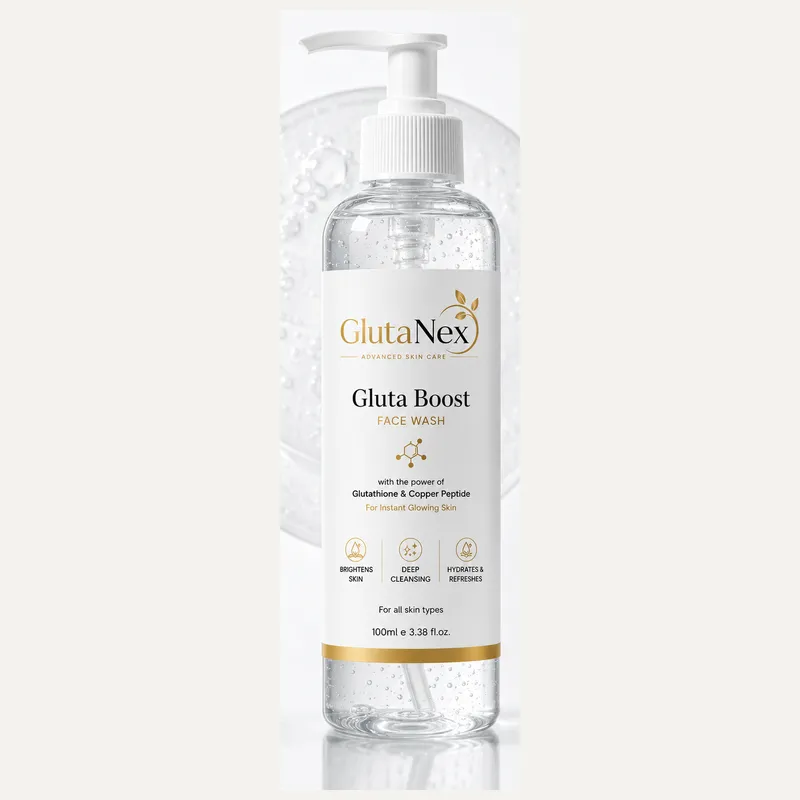
- Leave it for 3 to 5 minutes at most, then rinse well with lukewarm water. If you are using a face wash such as Gluta Boost Face Wash that night, wash after the milk rather than before.
- Pat the face dry and wait a minute.
- Apply the glutathione cream as a thin, pea-sized layer over the face and neck, away from the eyes and lips.
- Sunscreen every morning, SPF 30 or higher.
For the full method, see how to use glutathione cream. If you also use face packs, our guides to besan and curd follow the same rinse-off-first rule.
A special note on GlutaNex Night Cream
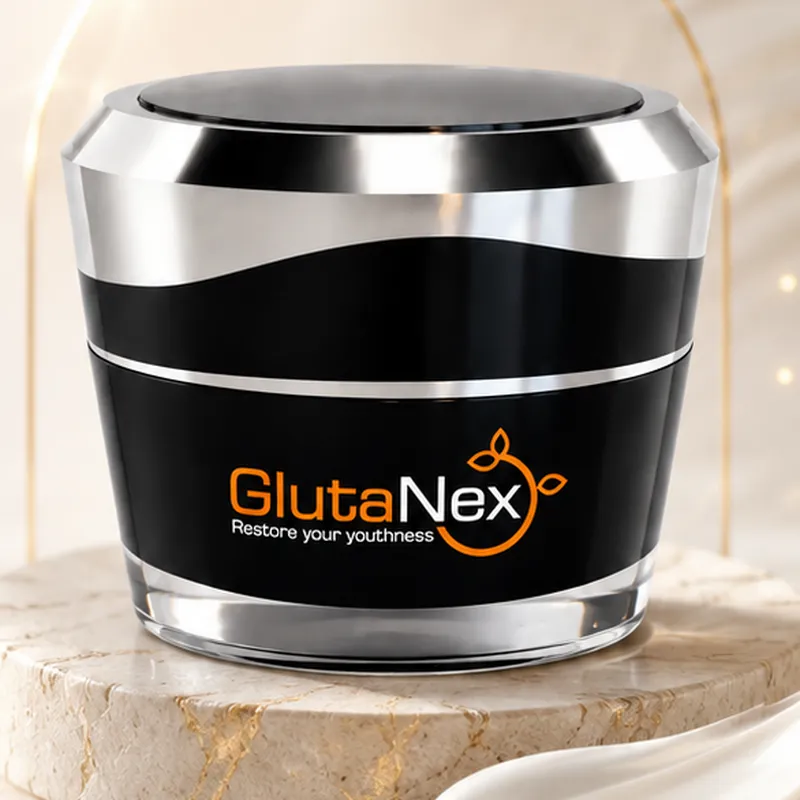
GlutaNex Glutathione Night Cream contains glutathione, niacinamide, hyaluronic acid, vitamin C, retinol, ceramides, salicylic acid, peptides, aloe vera, turmeric and neem. It does not contain milk, and it is for night use only because of the retinol and salicylic acid.
- Start the cream 2 to 3 nights a week. On those nights, keep the milk wipe short and gentle, or skip it.
- Do not pair the milk wipe with a scrub, lemon or another acid on the same night as the Night Cream; stacking several exfoliating steps can make skin red and sore.
- Milk-only nights, with a plain moisturiser afterwards, are fine on rest days.
- If your face stings after the cream, wash it off and read glutathione cream burning.
Who should skip raw milk on the face
| Skin type or situation | Raw milk wipe? |
|---|---|
| Normal or dry skin in winter | Fine as a short rinse-off step a few times a week. See glutathione cream in winter |
| Oily or acne-prone skin | Use rarely and rinse well; milk fat left on skin can feel heavy. See can glutathione cream cause pimples |
| Dairy allergy or skin that itches after milk | Do not use it |
| Broken, sunburnt or freshly waxed skin | Skip both the milk and the active cream until it settles |
| Milk kept out of the fridge or smelling sour | Throw it away; use only fresh milk |
| Sensitive skin | Patch test on the jaw first, and keep it to once or twice a week |
Keeping it clean and safe
- Use fresh milk from the fridge, poured into a small clean bowl. Do not dip cotton into the main milk container.
- Make a fresh bowl each time and throw away what is left.
- Never mix milk into your cream jar or store a "milk cream" mix; milk spoils fast and lets germs grow.
- Do not leave milk on your face overnight or under a sheet mask.
- Do not use milk to carry harsh additions like lemon, baking soda or toothpaste. Read glutathione cream with lemon for why raw lemon is a bad idea.
Raw milk for tan: an honest view
Many people wipe their face and hands with milk after a sunny day. That wipe can make skin feel softer and look a little fresher for a few hours, mainly because it cleans and hydrates. It does not remove tan. What helps tan and dark marks look lighter over weeks is sun protection every day plus steady use of a brightening cream; see glutathione for dark spots and tan and glutathione cream results for realistic timelines.
Raw milk and wedding prep
Wedding season brings haldi, ubtan and milk packs. If you are starting a glutathione cream before a wedding, keep home packs as gentle rinse-off steps on separate nights, and do not try new mixes in the last week. Our glutathione before wedding guide has a start-date table.
When to see a dermatologist
See a dermatologist if your skin itches, swells or breaks into a rash after milk, if you have patches that keep spreading, or if you have melasma or acne that hurts. Those need a proper diagnosis, not more home remedies.
General information about cosmetic skincare, not medical advice. Results vary from person to person. See a dermatologist for persistent or changing pigmentation.
More glutathione guides
Glutathione: what it is, what it does for skin, and how to use it safely
The complete guide: what glutathione is, how it affects skin, every form compared, and the research.
GuideGlutathione cream with kumkumadi oil: can you use both at night?
Can you use kumkumadi oil (kumkumadi tailam) with glutathione cream? Cream first, then 2 to 3 drops of oil on dry areas, or use them on different nights. Who should skip it, honest results.
GuideGlutathione cream with mustard oil (sarson ka tel): can you use both?
Can you use mustard oil (sarson ka tel) with glutathione cream? Keep mustard oil for body massage, keep the cream on the face, and never mix them. Who should skip it, honest results.
 Night Cream
 Face Wash
 Glow Duo
 Shower Gel
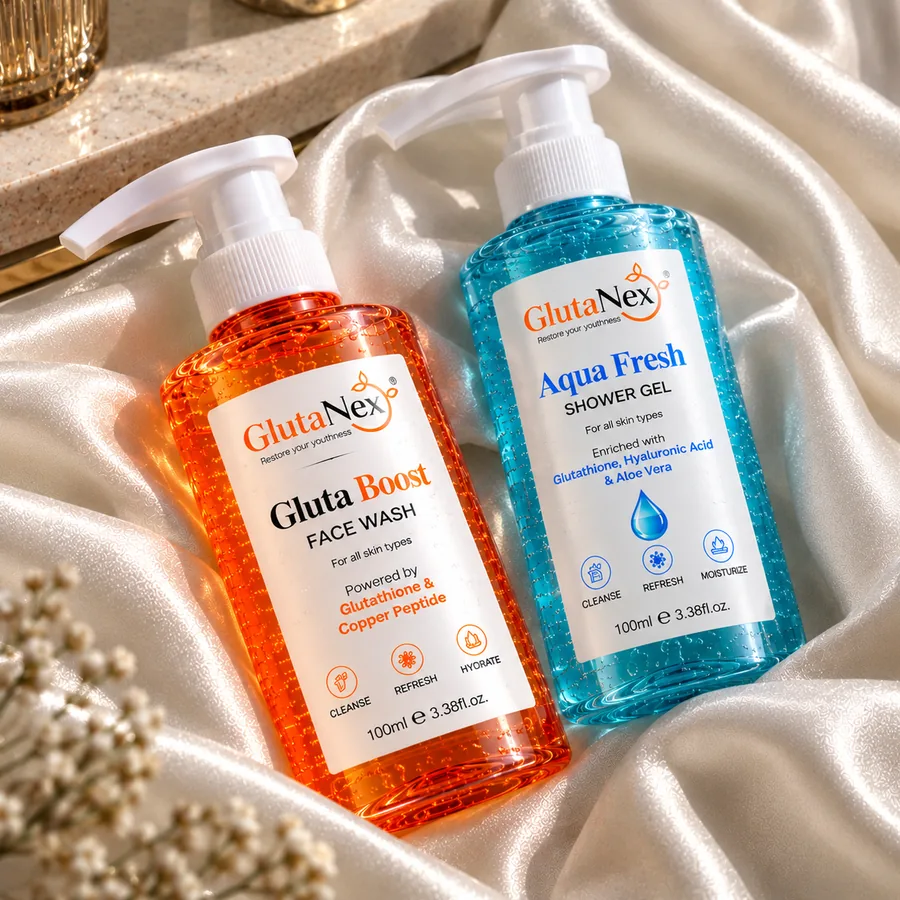 Wash + Gel Combo
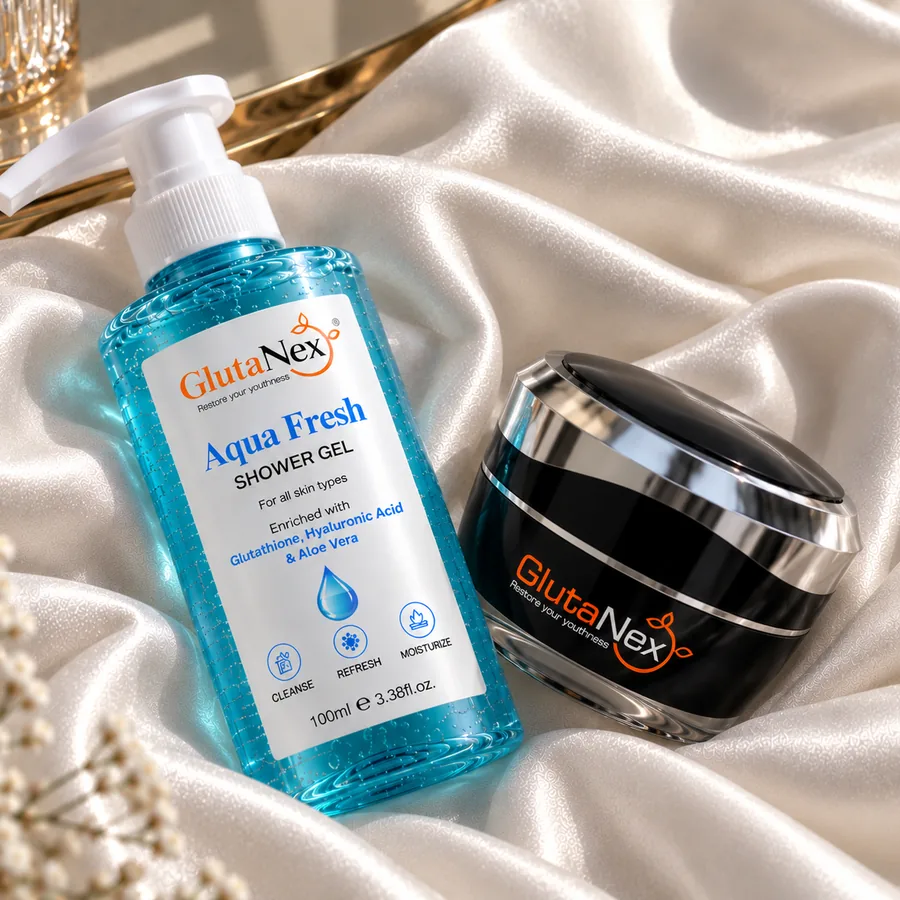 Cream + Gel Combo
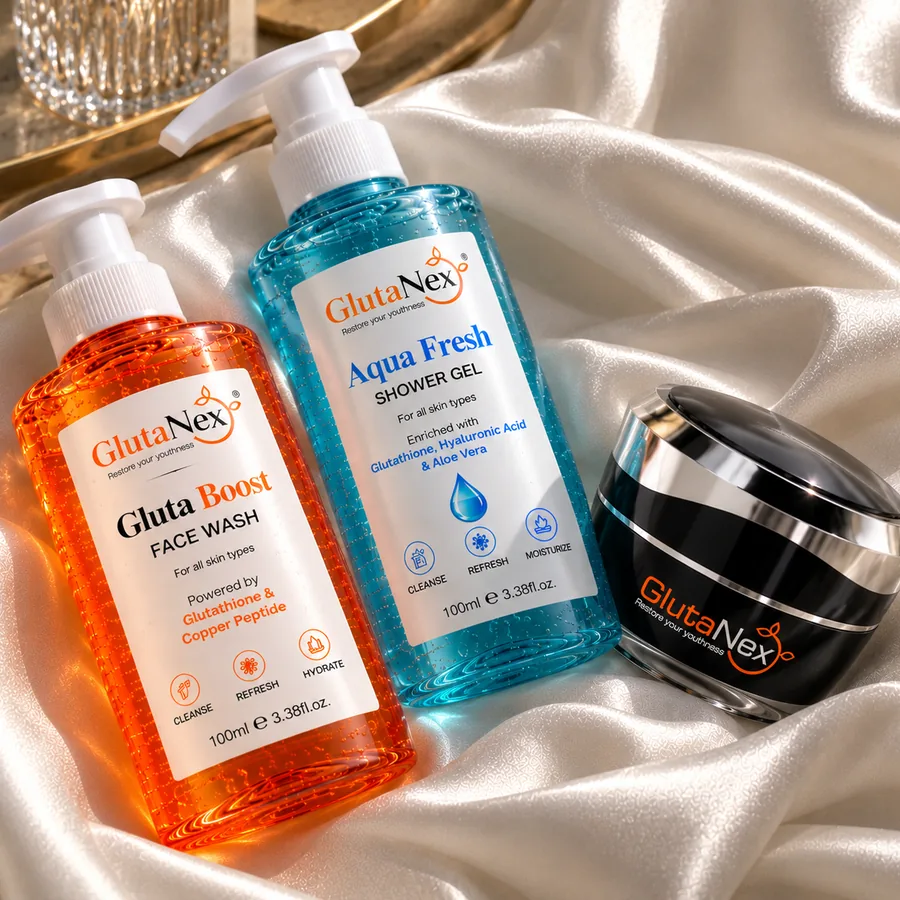 Glow Trio
