
Glutathione cream with mustard oil (sarson ka tel): can you use both?
Can you use mustard oil (sarson ka tel) with glutathione cream? Keep mustard oil for body massage, keep the cream on the face, and never mix them. Who should skip it, honest results.
Can I use mustard oil with glutathione cream?
Yes, but on different parts of the body, not layered on the face. Mustard oil works well as a body massage oil in winter. A glutathione face cream goes on the clean face at night. Mustard oil is strong and warming, so on the face it can sting, feel heavy and clog pores, especially over a retinol cream.
Should I apply mustard oil before or after glutathione cream?
On the face, neither is a good idea. Oil applied first stops the cream spreading evenly, and oil on top seals in an active cream and can make stinging worse. Use mustard oil on the body before a bath, and the cream on the face at bedtime.
Does mustard oil with glutathione make skin fair?
No. Mustard oil can leave dry body skin feeling soft in winter. A glutathione cream with daily sunscreen may help tan and dark marks look lighter slowly over 8 to 12 weeks. Neither changes your natural skin colour.
You can use mustard oil and glutathione cream in the same routine, but keep them on different areas: sarson ka tel for a body massage before your bath, and the glutathione cream on your clean face at night. Do not mix them, and do not layer mustard oil over an active face cream; it is a strong, warming oil that can sting, feel heavy and clog pores on the face.
Mustard oil massage is a winter habit in many North and East Indian homes, from babies to grandparents, and some people rub it on the face too for dry skin. This guide explains where each one fits, who should skip mustard oil on the face, and what to expect honestly.
Mustard oil vs glutathione cream at a glance
| Mustard oil (sarson ka tel) | Glutathione cream | |
|---|---|---|
| Main cosmetic job | Softens dry body skin, a warming massage in winter | Brighter, more even-looking tone over weeks |
| Best place | Body: arms, legs, back, heels | Face and neck, as a thin night layer |
| Texture and smell | Thick oil, strong sharp smell, warming feel | Spreads and absorbs as a cream |
| Main downside | Can sting or redden the face; heavy on oily skin | Works slowly; needs sunscreen every morning |
| What it cannot do | Fade tan or spots on its own, or change skin colour | Change your natural skin colour |
A simple winter routine using both
- Before your bath: warm a little mustard oil between your palms and massage it into arms, legs and feet for a few minutes. Keep it off the face.
- Bath with lukewarm water, not very hot water, and a mild soap or body wash. Very hot water plus oil can leave skin drier afterwards.
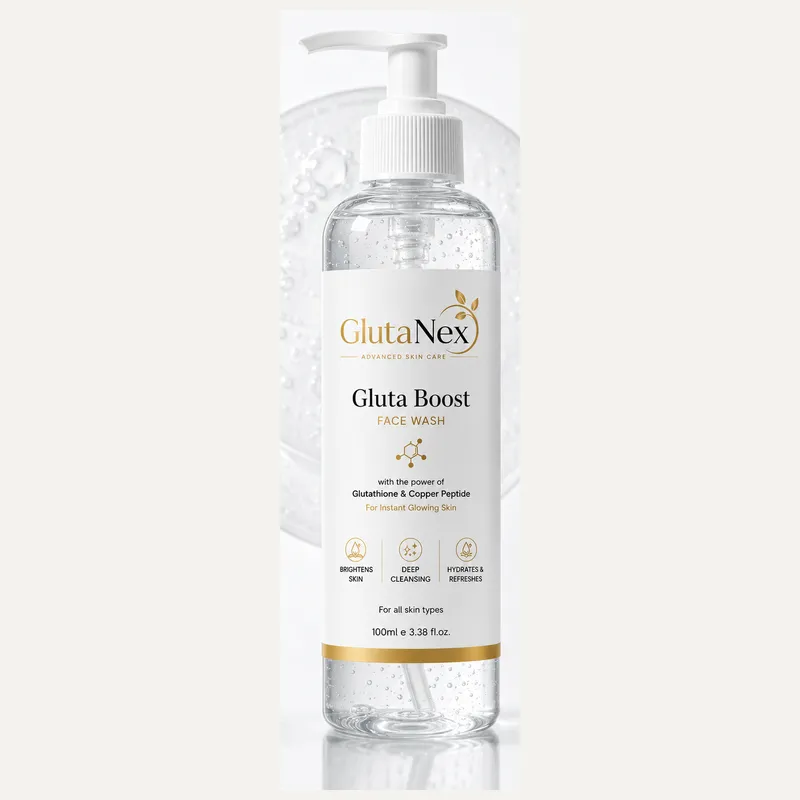
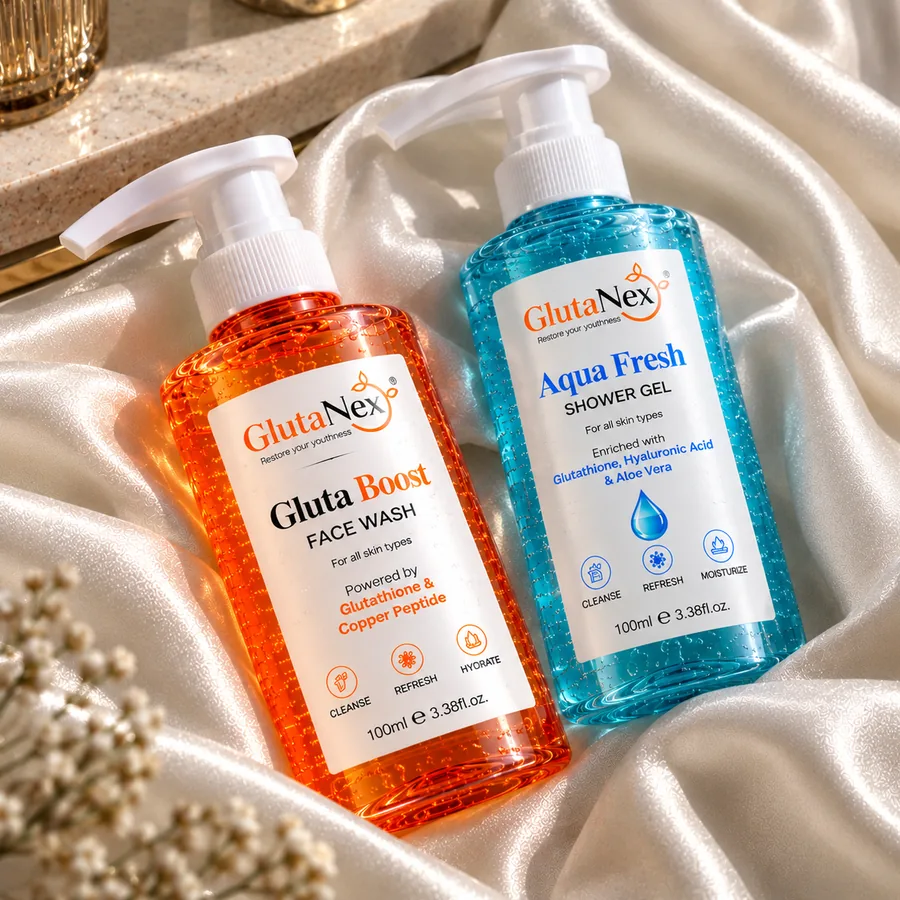
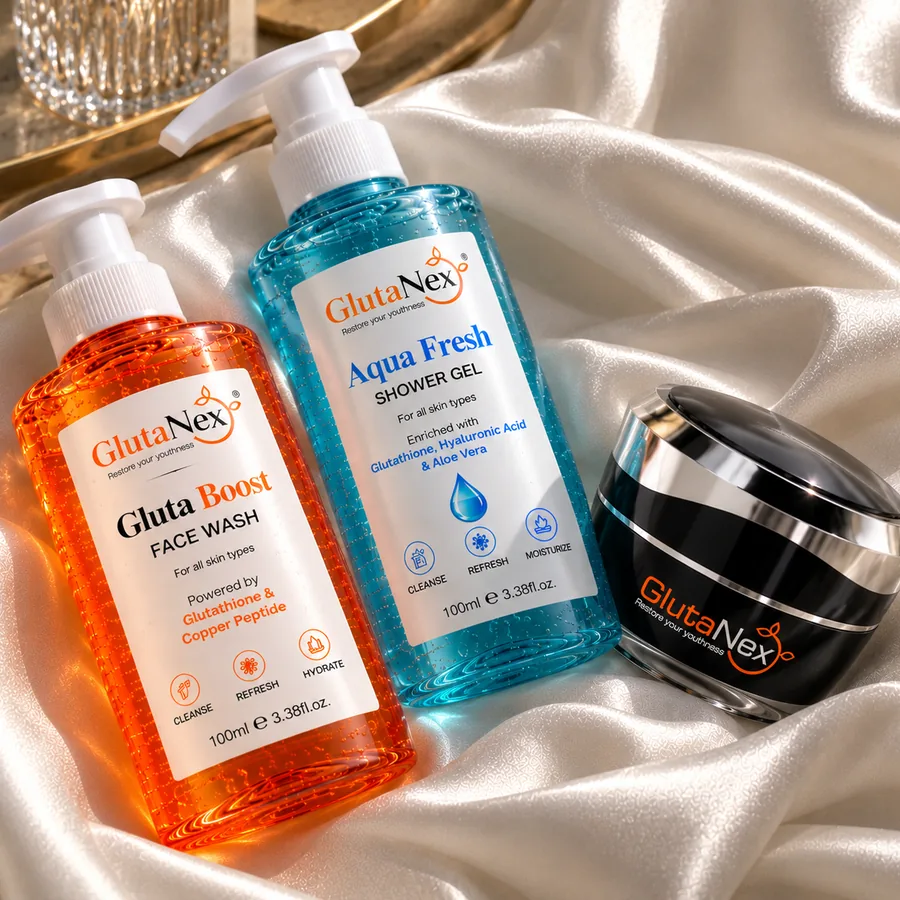
- At night: wash your face with a gentle face wash such as Gluta Boost Face Wash and pat it dry.
- Apply the glutathione cream as a thin, pea-sized layer on the face and neck, away from the eyes and lips.
- Sunscreen every morning, SPF 30 or higher, on the face and any body skin that sees the sun.
For the full face method, read how to use glutathione cream. For dry hands, elbows and knees, see glutathione for hands and feet and dark knees and elbows.
Why mustard oil is not a great face oil
- It can sting. Mustard oil has a sharp, warming feel. On thin facial skin, especially after an active cream, that can turn into redness or burning.
- It is heavy. On oily or acne-prone skin, a thick oil left overnight can lead to small bumps and clogged-feeling pores.
- It smells strong. Many people find it hard to sleep with the smell near the nose.
- Quality varies. Cooking oil sold loose, or kept open for months, may be stale or impure. If it smells rancid, do not use it on skin at all.
If your face feels tight in winter, a richer moisturiser is usually kinder than any strong oil. See glutathione cream for dry skin, and compare gentler oils in glutathione cream with almond oil and glutathione cream with coconut oil.
A special note on GlutaNex Night Cream
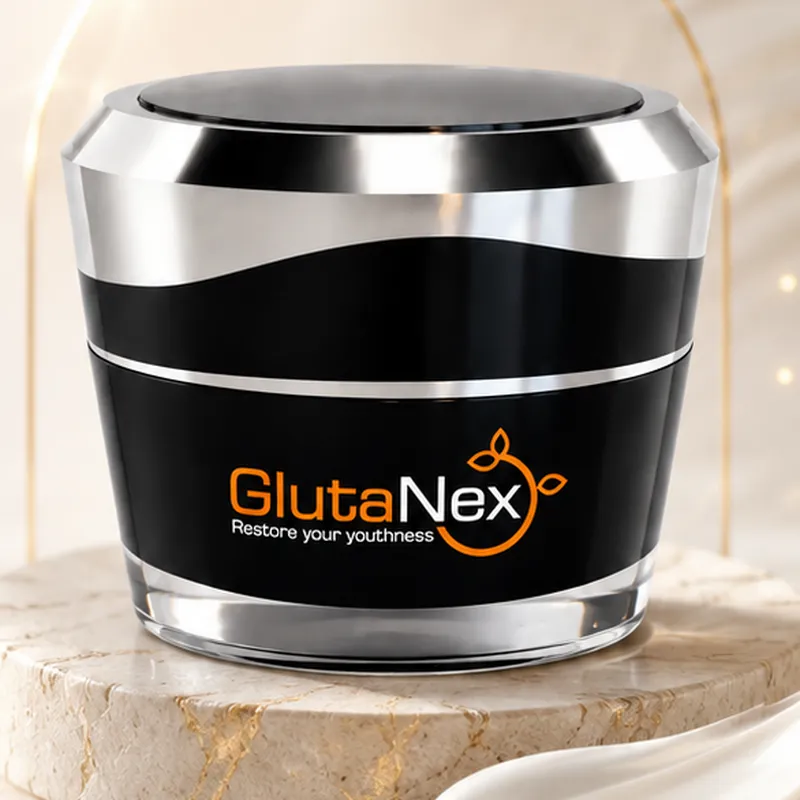
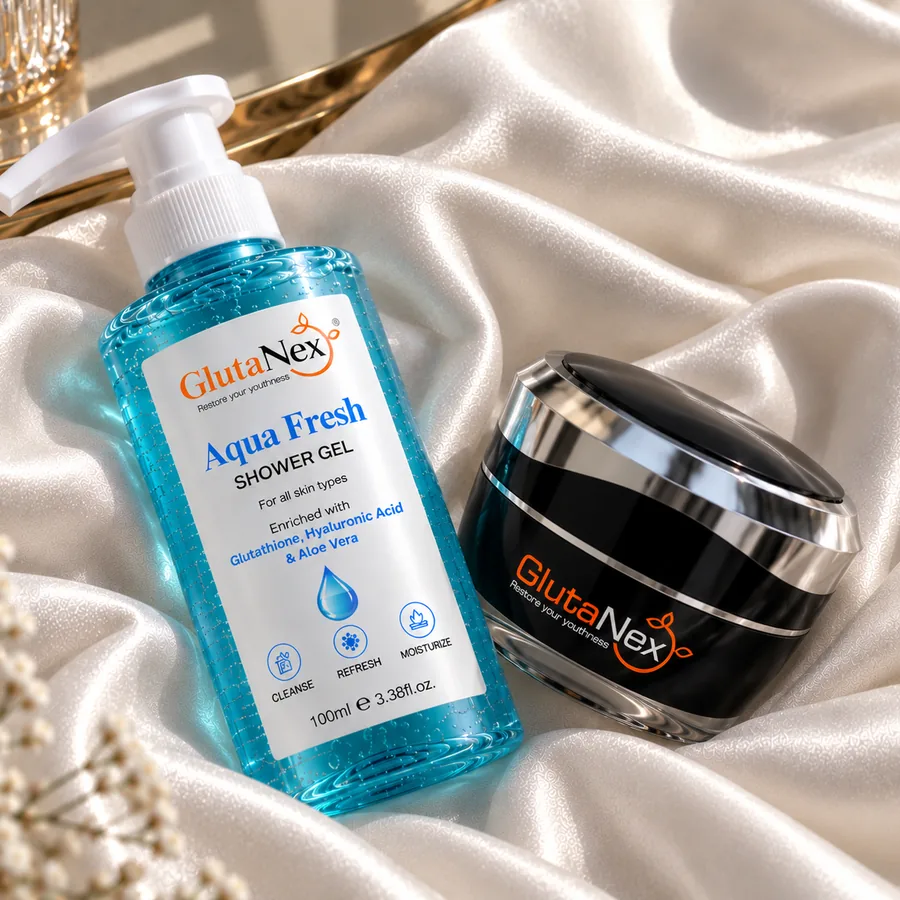
GlutaNex Glutathione Night Cream contains glutathione, niacinamide, hyaluronic acid, vitamin C, retinol, ceramides, salicylic acid, peptides, aloe vera, turmeric and neem. It does not contain mustard oil, and it is a night-only face cream because of the retinol and salicylic acid.
- Start it 2 to 3 nights a week, and do not put mustard oil on the face on those nights.
- Do not use the Night Cream on the body; it is made for the face and neck.
- Keep oily fingers away from the jar. Wash your hands after a body massage before you touch the cream.
- If your face stings after the cream, wash it off and read glutathione cream burning.
Who should skip mustard oil, and where
| Skin type or situation | Mustard oil? |
|---|---|
| Dry body skin in winter | Fine as a pre-bath massage. See glutathione cream in winter |
| Oily or acne-prone face | Keep it off the face. See can glutathione cream cause pimples |
| Sensitive skin or eczema | Patch test on the inner arm first; skip it if it reddens or itches |
| Body acne on the back or chest | Avoid those areas; use a lighter body lotion instead |
| Broken, sunburnt or freshly waxed skin | Skip both the oil and any active cream until it settles |
| Babies and young children | Ask your paediatrician before using any oil on their skin |
Mustard oil for tan: an honest view
Some people rub mustard oil with haldi or besan onto tanned arms and legs. That can make skin feel softer and look a little smoother, mostly because of massage and moisture. It does not remove tan. What helps tan look lighter over weeks is covering up, daily sunscreen and patience; read our body tan routine and glutathione for dark spots and tan. Note that turmeric can stain skin yellow for a while, and lemon should never be added; see glutathione cream with lemon.
When to see a dermatologist
See a dermatologist if your skin burns, swells, blisters or breaks into a rash after mustard oil, if pimples on the face or back get worse, or if you have dark patches that keep spreading. Those need a proper diagnosis, not more oil.
General information about cosmetic skincare, not medical advice. Results vary from person to person. See a dermatologist for persistent or changing pigmentation.
More glutathione guides
Glutathione: what it is, what it does for skin, and how to use it safely
The complete guide: what glutathione is, how it affects skin, every form compared, and the research.
GuideGlutathione cream with papaya: can you use a papaya pack and the cream together?
Can you use a papaya face pack with glutathione cream? Use the pack on a different night from an active cream, rinse it off fully, and never mix it into the jar. Who should skip it, honest results.
GuideGlutathione cream with tomato (tamatar): can you use both?
Can you use tomato juice or a tomato pack with glutathione cream? Use it on a different night from an active cream, rinse it off, and never mix it into the jar. Who should skip it, honest results.
 Night Cream
 Face Wash
 Glow Duo
 Shower Gel
 Wash + Gel Combo
 Cream + Gel Combo
 Glow Trio
