
Glutathione cream with curd (dahi): can you use both, and how?
Can you use curd (dahi) with glutathione cream? How to use a plain curd mask before the cream, why it counts as a mild acid step, who should skip it and what curd cannot do.
Can I use curd with glutathione cream?
Yes, as separate steps. Use plain, fresh curd as a 10 to 15 minute wash-off mask on clean skin, rinse, pat dry, and then apply the glutathione cream. With a retinol or salicylic acid cream like GlutaNex, use the curd mask on a rest night.
Should I apply curd before or after glutathione cream?
Before, and wash it off. Curd is a wash-off mask. Leaving it on over a cream makes the face sticky, can smell sour and stops the cream working evenly.
Does curd with glutathione make skin fair?
No. Curd can leave skin feeling softer and smoother, and a glutathione cream with daily sunscreen may help tan and dark marks look lighter over 8 to 12 weeks. Neither changes your natural skin colour.
You can use curd with glutathione cream, but as two separate steps: a short mask of plain curd on clean skin, washed off, and then a thin layer of the cream. Curd contains lactic acid, a mild acid, so if your cream also has retinol or salicylic acid, use the curd mask on a night you skip the cream.
Dahi is one of the most common Indian home masks, on its own or mixed with besan or haldi. This guide explains where it fits next to a glutathione cream, how to use it, and when to skip it.
Curd vs glutathione cream at a glance
| Plain curd (dahi) | Glutathione cream | |
|---|---|---|
| Main cosmetic job | Softens and smooths; mild lactic acid loosens dull surface skin | Brighter, more even-looking tone over weeks |
| How to use | Wash-off mask, 10 to 15 minutes | Thin leave-on layer, last step at night |
| Texture | Cool, runny, can drip | Smooth cream |
| Main downside | Strength varies batch to batch; can sting sensitive or skin using retinol; dairy allergy | Works slowly; needs sunscreen every morning |
| What it cannot do | Fade spots or tan on its own | Change your natural skin colour |
The right order on a curd night
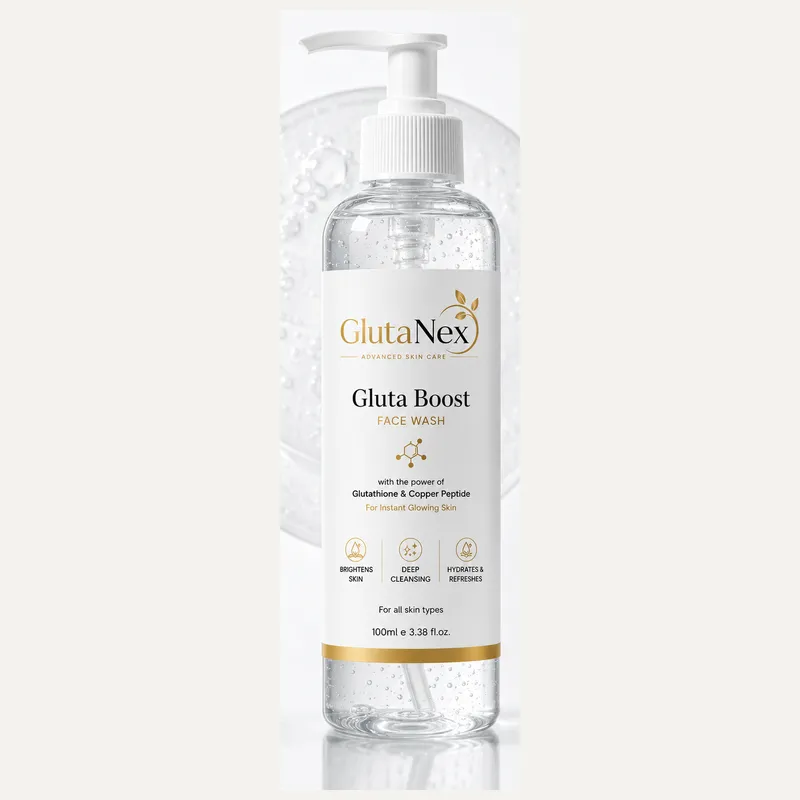
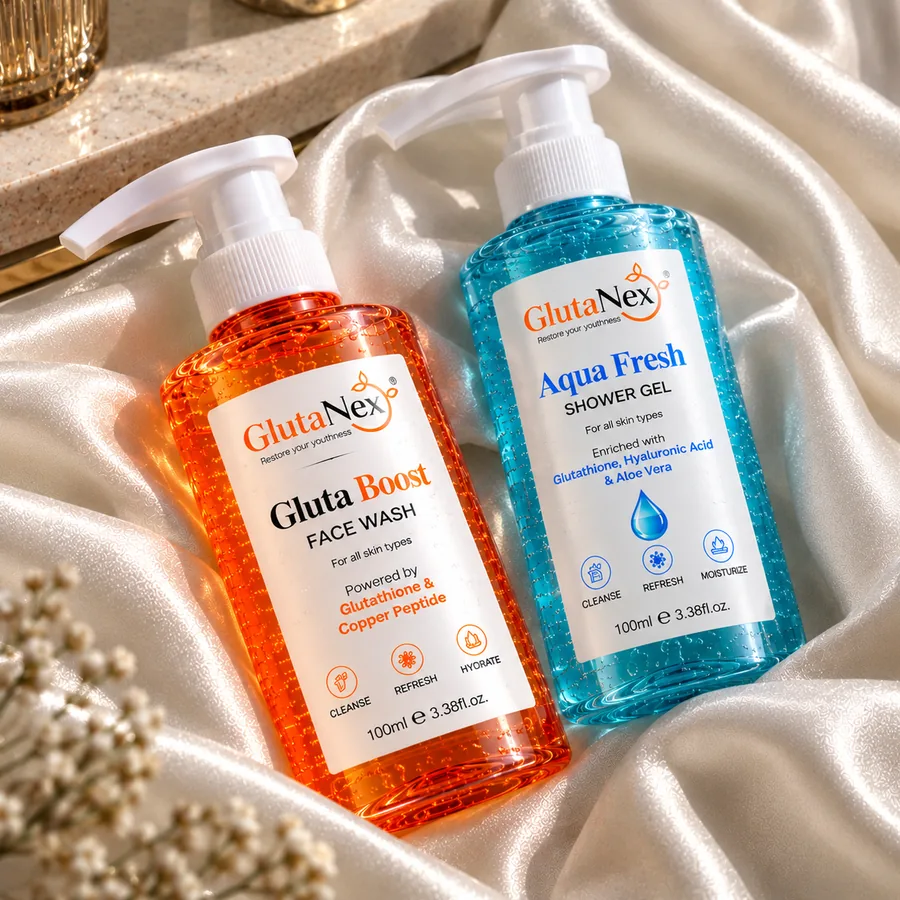
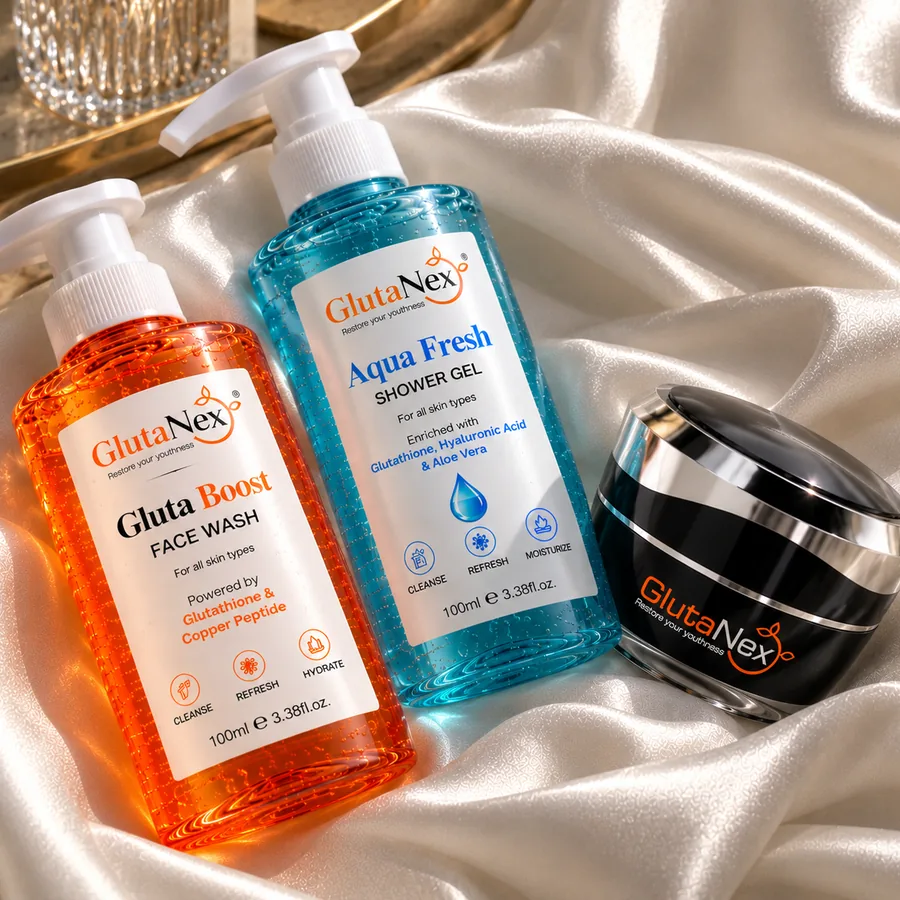
- Cleanse with a gentle face wash such as Gluta Boost Face Wash and pat dry.
- Take 1 to 2 teaspoons of plain, fresh, unsweetened curd in a clean bowl. Hung curd (strained) drips less.
- Apply a thin layer, avoiding the eyes and lips.
- Leave it for 10 to 15 minutes, sitting somewhere cool so it does not run.
- Rinse with lukewarm water using soft movements and pat dry.
- Apply a moisturiser, or on a plain glutathione cream routine, a thin layer of the cream.
- Sunscreen every morning, SPF 30 or higher. Acids can make skin a little more sun-sensitive.
Once a week is a good start; twice a week at most. For the general layering rules, see how to use glutathione cream and glutathione cream and moisturizer.
Why curd counts as an acid step
Lactic acid is an alpha hydroxy acid (AHA), the same family as glycolic acid, though curd has far less of it than a skincare acid and the amount varies with how sour the curd is. On its own, that is gentle. Stacked with other exfoliating actives on the same night, it can add up to redness, peeling or stinging. Our guide on glutathione vs glycolic acid explains how AHAs work.
A special note on GlutaNex Night Cream
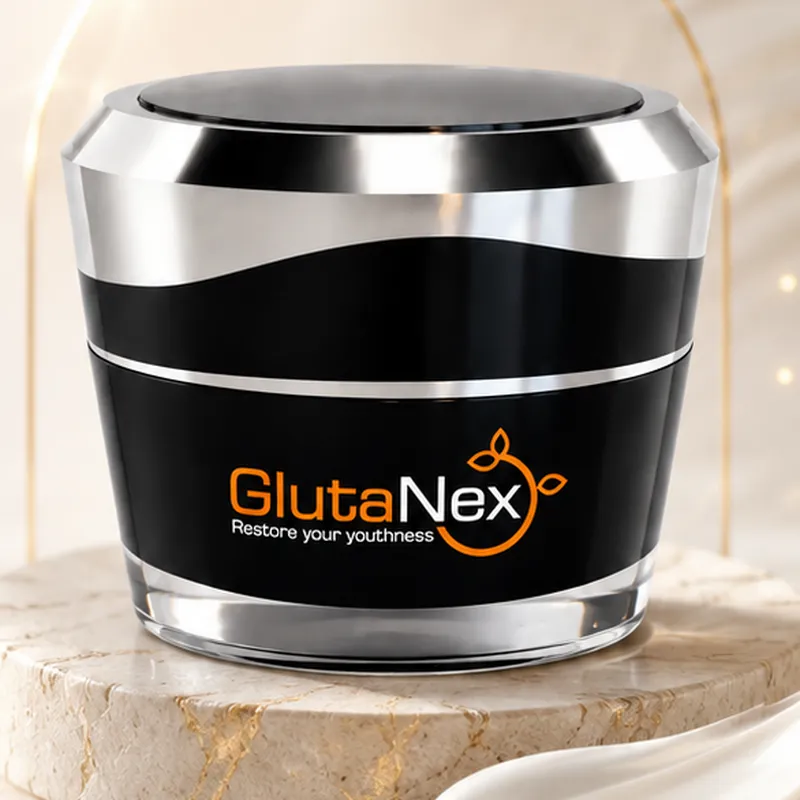
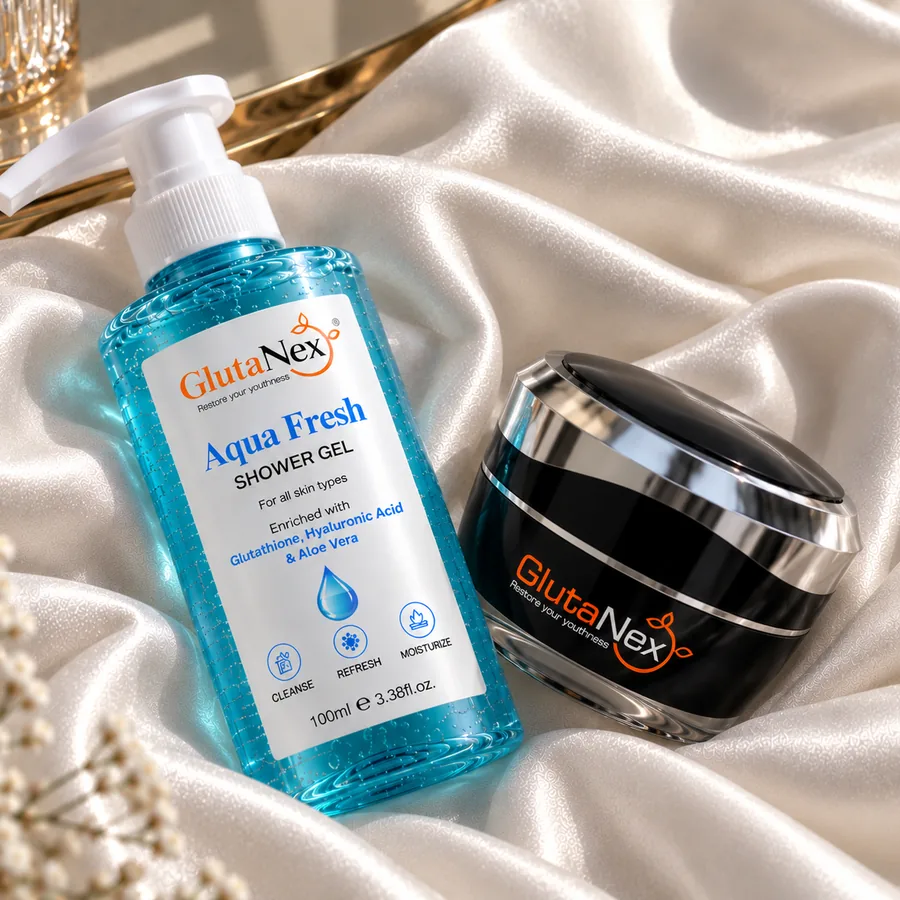
GlutaNex Glutathione Night Cream contains glutathione, niacinamide, hyaluronic acid, vitamin C, retinol, ceramides, salicylic acid, peptides, aloe vera, turmeric and neem. It already has retinol and salicylic acid, so:
- Use the Night Cream on its own nights (start with 2 to 3 nights a week) and the curd mask on a different night, followed by a plain moisturiser.
- Do not use a curd mask in your first 4 weeks on the Night Cream, while your skin gets used to retinol.
- If your skin stings, peels or looks red, stop the curd mask first.
- Read glutathione and salicylic acid and glutathione cream burning if you are unsure.
Curd mixes: what is fine and what to skip
| Mix | Verdict |
|---|---|
| Plain curd only | Simplest and easiest to judge |
| Curd + a little besan | Fine for oily skin; rinse gently, no scrubbing. See glutathione cream with besan |
| Curd + honey | Fine for dry skin; see glutathione cream with honey |
| Curd + pinch of haldi | Optional; it can stain. See glutathione and turmeric |
| Curd + lemon or tomato | Skip. Too much acid together; see glutathione cream with lemon |
| Curd mixed into the cream jar | Never. It spoils the jar and the texture |
Which skin types suit a curd mask
- Dry or dull skin in winter: yes, once a week, followed by moisturiser. See glutathione cream for dry skin.
- Oily or combination skin: yes, plain or with a little besan.
- Sensitive skin, rosacea-like redness or retinol-new skin: skip it or patch test carefully. See glutathione cream for sensitive skin.
- Dairy allergy, broken, sunburnt or freshly waxed skin: skip it.
Freshness and hygiene
- Use fresh curd from the fridge, not curd that has been sitting out or smells very sour.
- Take a small amount into a separate bowl; throw away what is left after the mask.
- Do not store a curd mix for the next day.
What to expect, honestly
A curd mask can leave skin feeling softer and looking a little smoother. It does not fade tan, dark spots or acne marks by itself, and it is not a substitute for sunscreen. A glutathione cream with daily sun protection may help those marks look lighter slowly over 8 to 12 weeks. See glutathione cream results.
When to see a dermatologist
Wash off and stop if you get burning, itching, redness or swelling. See a dermatologist for rashes that do not settle, painful acne or patchy pigmentation such as melasma. Patch test curd and any new cream on the jaw or inner arm for 24 to 48 hours first.
General information about cosmetic skincare, not medical advice. Results vary from person to person. See a dermatologist for persistent or changing pigmentation.
More glutathione guides
Glutathione: what it is, what it does for skin, and how to use it safely
The complete guide: what glutathione is, how it affects skin, every form compared, and the research.
GuideGlutathione cream: answers to the most-asked questions
Straight answers to what people ask Google about glutathione cream: does it work, daily use, whitening, the best one, retinol and more.
 Night Cream
 Face Wash
 Glow Duo
 Shower Gel
 Wash + Gel Combo
 Cream + Gel Combo
 Glow Trio
