
Glutathione cream with beetroot (chukandar): how to use them safely
Can you use beetroot with glutathione cream? Yes, as a separate rinse-off pack or lip tint, never mixed into the jar. The right order, what beetroot can and cannot do, mixes to skip, staining tips and the night-only retinol rule.
Can I mix beetroot juice with glutathione cream?
It is better not to. Mixing fresh juice into a cream dilutes it, can spoil the jar and adds bacteria. Use beetroot as a separate rinse-off pack, wash it off, pat dry, then apply a thin layer of cream on its own.
Does beetroot make skin glow?
A beetroot pack can leave skin looking fresh and slightly pink for a short time, mostly because of its natural red colour. There is no reliable evidence that it fades dark spots or changes skin tone. Daily sunscreen and a steady routine matter far more.
Can I apply beetroot on lips with glutathione cream?
Yes, a little beetroot juice works as a temporary natural lip tint. Keep any retinol night cream, including GlutaNex Night Cream, off the lips, and use a plain lip balm at night instead.
You can use beetroot and glutathione cream in the same routine, but not mixed together. Use beetroot as a short rinse-off pack or a lip tint, wash it off, let your face dry, and then apply a thin layer of glutathione cream on its own.
Chukandar juice and beetroot packs are popular home tips in India for a "pink glow", especially in winter and wedding season. Beetroot is a food, not a skin treatment, so it helps to know what it can do, what it cannot, and how to keep it from irritating skin or clashing with a night cream.
What beetroot can and cannot do on skin
| What it can do | What it cannot do | |
|---|---|---|
| Colour | Its natural red pigment leaves a temporary pink tint on cheeks and lips | Change your natural skin colour |
| Feel | A cool, moist pack can make skin feel fresh for a while | Moisturise like a proper cream |
| Dark spots and tan | Nothing reliable | Fade spots or remove tan; there is no good evidence for this |
| Downside | Short-lived effect | Stains towels and pillowcases; can sting with lemon or sugar |
Drinking beetroot juice is a food choice. It is fine as part of a balanced diet, but it will not replace sunscreen or skincare; read glutathione rich foods for an honest view on diet.
The right order: beetroot pack first, cream after
- Wash your face with a gentle face wash such as Gluta Boost Face Wash.
- Make a simple pack: 1 to 2 teaspoons of fresh beetroot juice with a spoon of plain curd or aloe vera gel, or a little besan for a thicker paste.
- Apply a thin layer, away from the eyes. Leave it for 5 to 10 minutes. Do not let it dry hard and crack.
- Rinse with plain water and pat dry with a dark or old towel, because beetroot stains.
- Wait about 10 minutes for the face to feel fully dry.
- Apply a pea-sized amount of glutathione cream for the whole face, then a plain moisturiser if your skin feels tight.
- Sunscreen every morning, SPF 30 or higher. This step matters more than any pack.
For the full method, see how to use glutathione cream. Once a week is plenty for a beetroot pack.
Gentle mixes and mixes to skip
| Mix with beetroot | Verdict | Why |
|---|---|---|
| Plain curd (dahi) | Fine for most skin | Mild and cooling; see glutathione cream with curd |
| Aloe vera gel | Fine for most skin | Soothing; use plain gel without added colour or fragrance |
| Besan | Fine, rinse gently | Thickens the pack; see glutathione cream with besan |
| Raw milk | Fine if fresh | Use clean, fresh milk and rinse well |
| Lemon juice | Skip | Acidic, stings and can irritate sun-exposed skin; see glutathione cream with lemon |
| Sugar or salt scrub | Skip on the face | Rough grains scratch facial skin, more so on retinol nights |
| Baking soda or toothpaste | Skip | Too harsh for facial skin |
Beetroot as a lip and cheek tint
A drop of beetroot juice dabbed on lips or cheeks gives a soft, natural tint for a few hours. It is a cosmetic colour, not a fix for dark lips.
- Patch test on the inner arm first; some people react to beetroot.
- For lips, use a plain lip balm over it. Do not apply any retinol night cream on the lips.
- For dark or pigmented lips, read glutathione for dark lips; lip sunscreen and stopping lip-licking help more than any tint.
- Make fresh juice each time. Do not store it for days.
A special note on GlutaNex Night Cream
GlutaNex Glutathione Night Cream contains glutathione, niacinamide, hyaluronic acid, vitamin C, retinol, ceramides, salicylic acid, peptides, aloe vera, turmeric and neem. Because of the retinol and salicylic acid, it is a night-only face cream, used 2 to 3 nights a week at first.
- In the first few weeks, keep the beetroot pack and the Night Cream on different nights. A pack plus a new retinol cream on the same night is more likely to sting.
- Once your skin is used to the cream, a mild beetroot and curd pack, fully rinsed, followed by the cream after 10 minutes is usually fine for normal and oily skin.
- If your face stings or burns, wash the cream off and read glutathione cream burning.
- Not in pregnancy or breastfeeding unless your doctor says it is fine, and not on lips or broken skin.
Who should skip beetroot packs
- Sensitive or easily red skin: the pink tint can hide redness from a reaction; see glutathione cream for sensitive skin.
- Freshly waxed, threaded or shaved skin, or skin that is peeling from retinol.
- Anyone with a food allergy to beetroot.
- Active, painful acne: ask a dermatologist rather than adding packs.
Glow and tan: an honest view
A beetroot pack gives a short-lived fresh look and a pink tint. It does not remove tan, fade dark spots or change your natural skin colour, and no home pack or cream can promise that. Tan and marks look lighter slowly, over weeks, with daily sunscreen and a steady routine. For dull winter skin, read glutathione for dull skin; for other kitchen tips, see glutathione cream with tomato.
When to see a dermatologist
See a dermatologist if a pack leaves your skin itchy, swollen or red for more than a day, if dark patches on the cheeks keep spreading, or if acne is painful or leaves deep marks.
General information about cosmetic skincare, not medical advice. Results vary from person to person. See a dermatologist for persistent or changing pigmentation.
More glutathione guides
Glutathione: what it is, what it does for skin, and how to use it safely
The complete guide: what glutathione is, how it affects skin, every form compared, and the research.
GuideGua sha with glutathione cream: can you use them together?
Can you do gua sha with glutathione cream? Not with a retinol or salicylic acid cream on your face. Use a plain moisturiser or a few drops of face oil for gua sha, and keep the active cream for other nights. Steps, pressure, cleaning the stone and honest results.
GuideGlutathione cream with ubtan: how to use them before a wedding or festival
Can you use ubtan with glutathione cream? Yes, as a separate rinse-off pack first and the cream after, never mixed into the jar. A simple ubtan, the right order, haldi ceremony tips, mixes to skip and the night-only retinol rule.
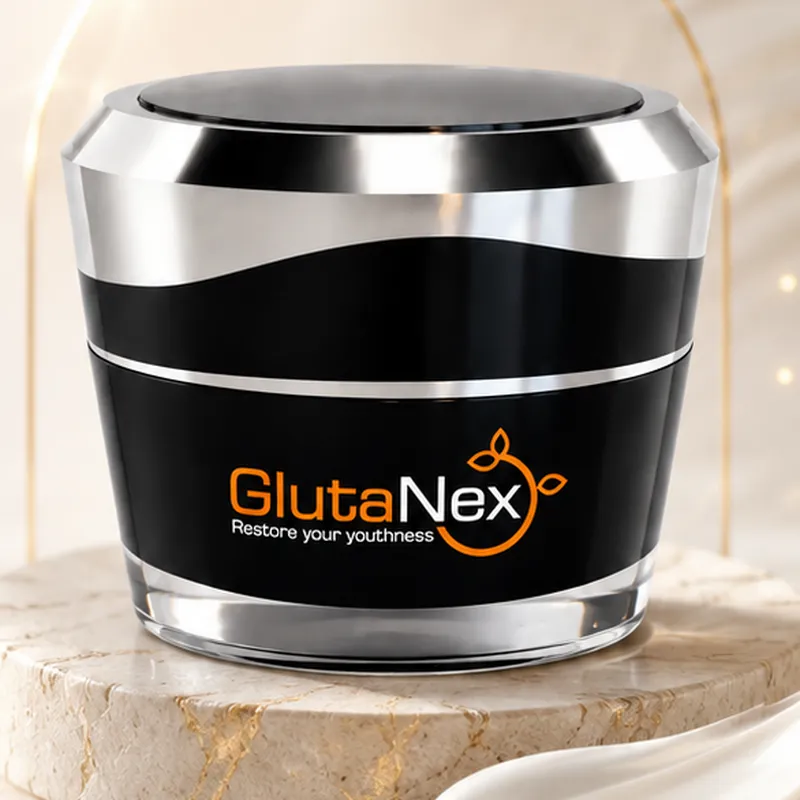 Night Cream
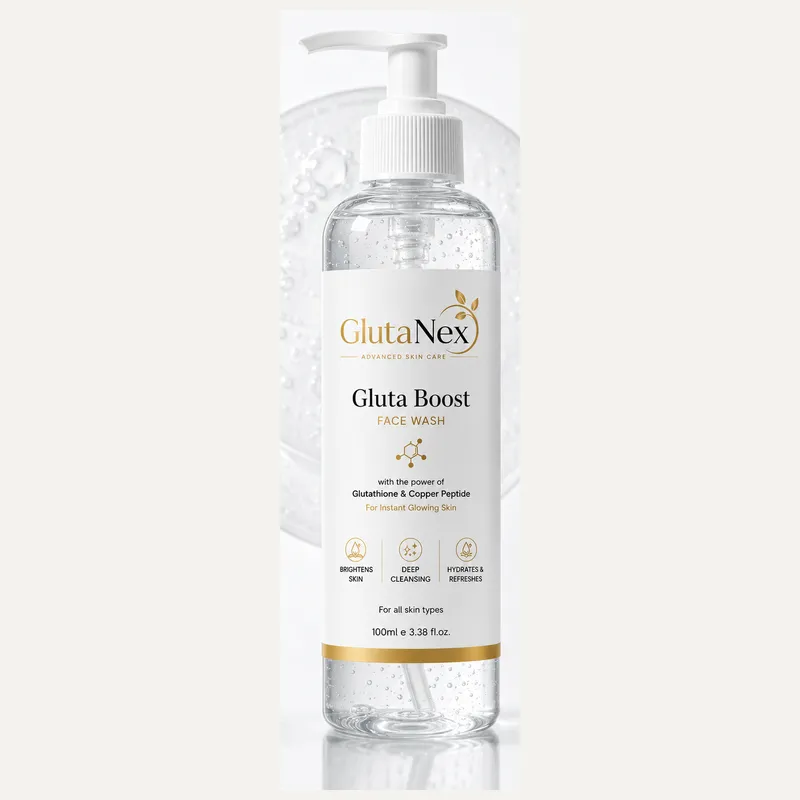 Face Wash
 Glow Duo
 Shower Gel
 Wash + Gel Combo
 Cream + Gel Combo
 Glow Trio
