
Glutathione cream with oats: a gentle oats face pack, when to use it, and how to follow with your cream
Can you use an oats face pack with glutathione cream? Yes: a soft oats pack first, rinse, dry the skin, then the cream. A simple kitchen recipe, why oats should not be rubbed as a scrub, and how to time it with a retinol night cream.
Can I use an oats face pack with glutathione cream?
Yes. Use the oats pack first, on clean skin, for about 10 minutes, rinse with lukewarm water and pat dry. Wait until your face is fully dry, then apply the glutathione cream. Do not mix oats into the cream or leave oats on overnight.
Is oats good for the face?
Finely ground oats make a soft, soothing face pack that can help dry, tight or easily irritated skin feel calmer and softer. They do not remove tan, dark spots or pigmentation, and they do not change skin colour.
Can I scrub my face with oats before a retinol cream?
It is better not to. Rubbing oats as a scrub can irritate skin, and on the same night as a retinol or salicylic acid cream it can make stinging and peeling more likely. Use oats as a soft pack you rinse off, not as a scrub.
You can use oats with glutathione cream by using a soft oats face pack first and the cream afterwards. Apply the pack on clean skin for about 10 minutes, rinse with lukewarm water, pat your face dry, wait until it is fully dry, then apply a pea-sized amount of the cream.
Oats are one of the gentlest things in an Indian kitchen for skin. Finely ground oats in water or milk turn creamy and slippery, which is why they are used in soothing packs and in many baby and sensitive-skin lotions. They can make dry or easily irritated skin feel calmer and softer. They are not a tan remover and they do not change skin colour.
What an oats pack can and cannot do
| What it can do | What it cannot do | |
|---|---|---|
| Dry, tight skin | Leave skin feeling softer and less tight | Replace a moisturiser |
| Irritation | Feel calming on mildly dry, itchy skin in winter | Treat eczema, rashes or allergic reactions; those need a doctor |
| Oiliness | Absorb some surface oil for a few hours | Reduce how much oil your skin makes |
| Tan and dark marks | Nothing direct | Remove tan, spots or pigmentation, or make skin "fair" |
A simple oats face pack (kitchen recipe)
- Grind 1 to 2 teaspoons of plain rolled oats into a fine powder in a dry mixer jar. Plain oats only: no masala oats, flavoured or sweetened packs.
- Mix with a little water or cold milk into a smooth paste. Let it sit for 2 minutes so it turns creamy.
- Optional for dry skin: a few drops of plain curd or honey. See curd and honey with glutathione cream. Skip lemon, baking soda and toothpaste; they irritate skin.
- Apply a thin layer on a freshly washed face, avoiding the eyes.
- Leave it for 10 minutes. Do not let it dry hard and crack.
- Rinse with lukewarm water using soft circles with your fingertips, not hard rubbing, and pat dry.
Make a fresh paste each time; do not store it in the fridge for days.
How to follow the pack with glutathione cream
- After rinsing, pat dry and wait 5 to 10 minutes until the skin is fully dry.
- Apply a pea-sized amount of glutathione cream over the face and neck.
- Next morning: a gentle face wash, moisturiser if needed, and broad-spectrum sunscreen of SPF 30 or more.
For the full step-by-step method, read how to use glutathione cream.
Timing with GlutaNex Night Cream
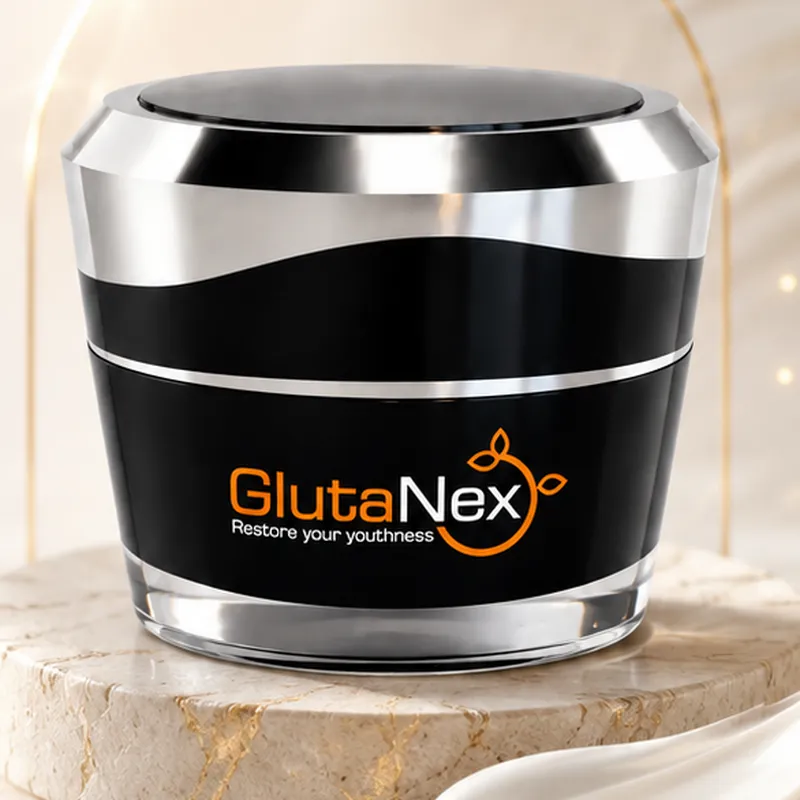
GlutaNex Glutathione Night Cream contains glutathione, niacinamide, hyaluronic acid, vitamin C, retinol, ceramides, salicylic acid, peptides, aloe vera, turmeric and neem. Because of the retinol and salicylic acid, it is a night-only face cream, started 2 to 3 nights a week.
- Best plan: use the oats pack on a night off the Night Cream, then a plain moisturiser.
- Same night is fine if you only apply and rinse the pack gently, with no rubbing, and wait until skin is fully dry before the cream.
- If your skin is flaky in the first weeks of retinol, a soft oats pack on an off night can make it feel more comfortable. Do not scrub the flakes off.
- Not in pregnancy or breastfeeding unless your doctor says it is fine. Never on broken or freshly waxed skin.
If the cream stings after a pack, wash it off and read glutathione cream burning.
Oats pack vs besan, multani mitti and ubtan
| Pack | Feels | Best for |
|---|---|---|
| Oats | Creamy, very soft | Dry, tight or easily irritated skin, winter |
| Besan | Light, a little drying | Normal to oily skin; see besan with glutathione cream |
| Multani mitti | Drying clay | Oily skin in humid weather; see multani mitti |
| Ubtan | Grainy blend | Occasional pre-wedding use; see ubtan with glutathione cream |
Once or twice a week is enough for any pack. Daily packs plus a retinol cream is too much for most faces.
Oats packs through the Indian year
- Winter, heaters and hard water: the best time for oats. Mix with cold milk instead of water if your skin feels tight after a bath.
- Hot, humid summer and monsoon: use water, keep the layer thin and rinse well, then apply only a thin layer of cream so the face does not feel heavy.
- After a day in the sun: a cool oats pack can feel soothing on warm, tight skin. If the skin is red, blistered or peeling, skip packs and actives and let it settle; see glutathione cream for summer tan.
- After threading or waxing: wait 24 to 48 hours before any pack or retinol cream; see after waxing and threading.
Who should skip oats on the face
- Anyone with a known oat allergy.
- Skin with open cuts, active painful acne, sunburn or a rash.
- Anyone whose skin itches or reddens during a patch test: try a little paste on the jawline for 10 minutes before the first full pack.
When to see a dermatologist
See a dermatologist for itchy, red patches that keep coming back, painful or cystic acne, or brown patches on both cheeks that may be melasma. A face pack is home care, not treatment.
General information about cosmetic skincare, not medical advice. Results vary from person to person. See a dermatologist for persistent or changing pigmentation.
More glutathione guides
Glutathione: what it is, what it does for skin, and how to use it safely
The complete guide: what glutathione is, how it affects skin, every form compared, and the research.
GuideGlutathione cream: answers to the most-asked questions
Straight answers to what people ask Google about glutathione cream: does it work, daily use, whitening, the best one, retinol and more.
 Night Cream
 Face Wash
 Glow Duo
 Shower Gel
 Wash + Gel Combo
 Cream + Gel Combo
 Glow Trio
