
Ice cube on face with glutathione cream: right order and safe use
Can you use an ice cube on your face with glutathione cream? Yes: wrap the ice in a cloth, keep it moving for about a minute, let skin warm back up, then apply the cream. What ice can and cannot do, and who should skip it.
Can I use an ice cube on my face with glutathione cream?
Yes. Wrap an ice cube in a clean, thin cloth, glide it over clean skin for about a minute without stopping in one place, then pat dry and wait a few minutes for your skin to warm back up before applying a thin layer of glutathione cream. Never freeze the cream into ice cubes.
Should I apply ice before or after glutathione cream?
Before. Ice goes on clean skin as a short cooling step; the cream goes on afterwards once the skin is dry and back to normal temperature. Rubbing ice over the cream only wets and wipes it away.
Does ice cube with glutathione cream make skin fair or shrink pores?
No. Ice can make skin look less puffy and feel tighter for a short while, and a glutathione cream with daily sunscreen may help tan and dark marks look lighter over 8 to 12 weeks. Neither changes your natural skin colour or permanently shrinks pores.
Yes, you can use an ice cube on your face before glutathione cream. Wrap the ice in a clean, thin cloth, keep it moving over clean skin for about a minute, pat dry and wait a few minutes for your skin to warm back up, then apply a thin layer of the cream. Never rub ice over the cream, and never freeze cream into ice cubes.
Ice cube facials are popular on Indian social media, especially for puffy morning eyes and hot summer days. Ice can feel lovely, but its effect is short. This guide explains the right order with a glutathione cream, what ice can and cannot do, and who should skip it.
Ice cube vs glutathione cream at a glance
| Ice cube (wrapped) | Glutathione cream | |
|---|---|---|
| Main cosmetic job | Cools skin and makes it look less puffy for a while | Brighter, more even-looking tone over weeks |
| How long it lasts | Minutes to an hour or so | Builds slowly with regular use |
| How long it stays on | About a minute, always moving | Left on overnight as a thin layer |
| Main downside | Bare ice held still can cause cold injury and redness | Works slowly; needs sunscreen every morning |
| What it cannot do | Shrink pores, remove tan or dark spots | Change your natural skin colour |
The right order on a cream night
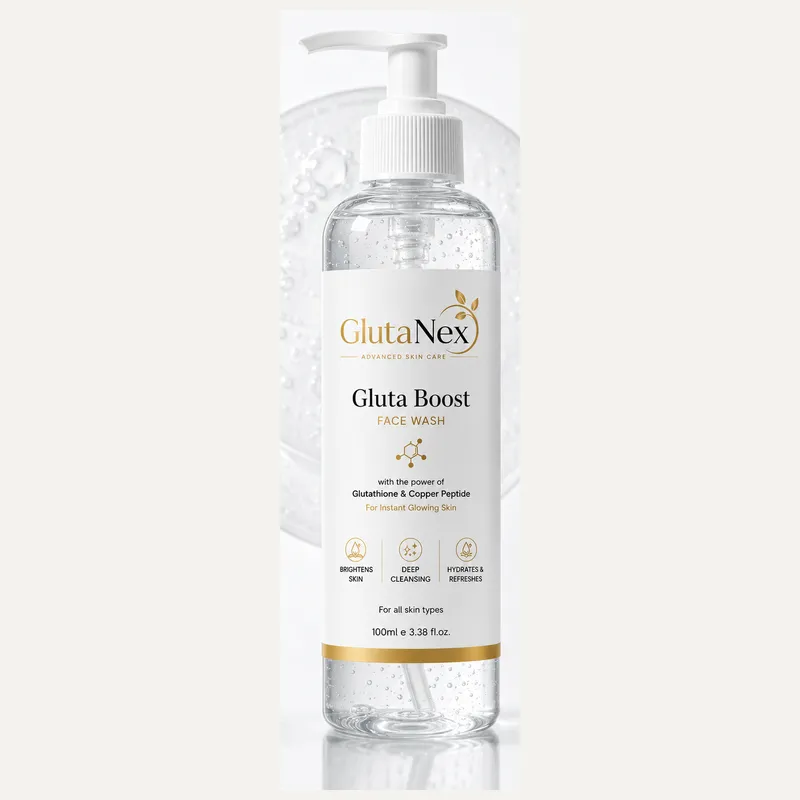
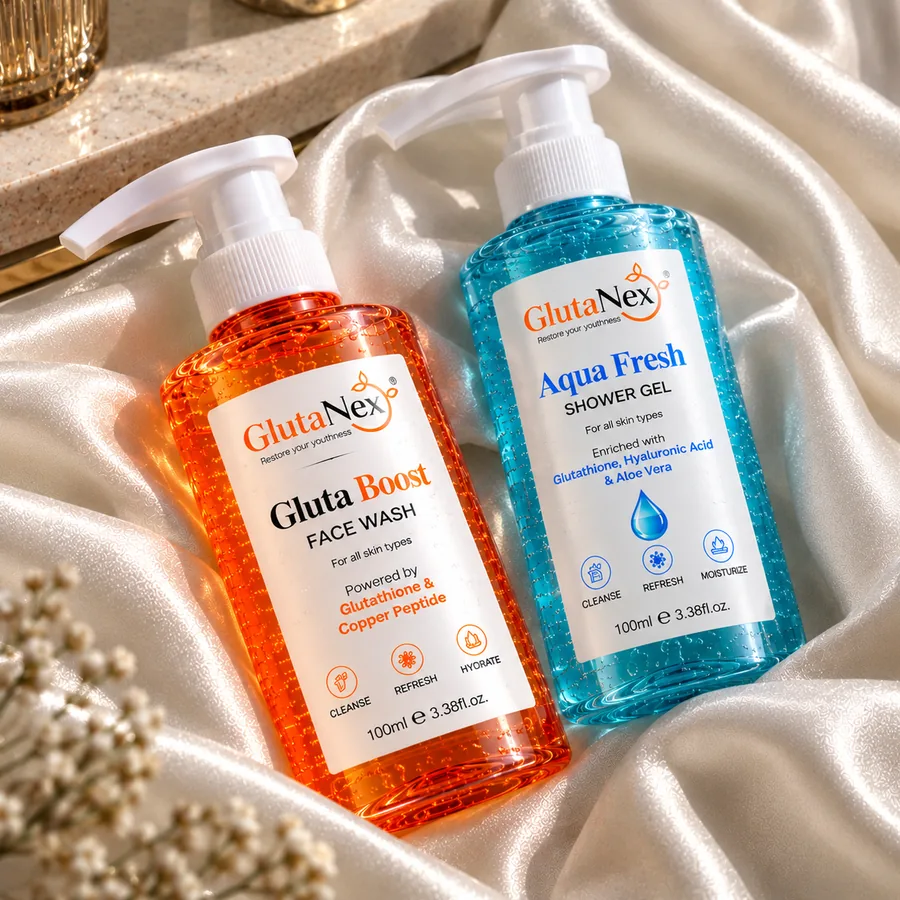
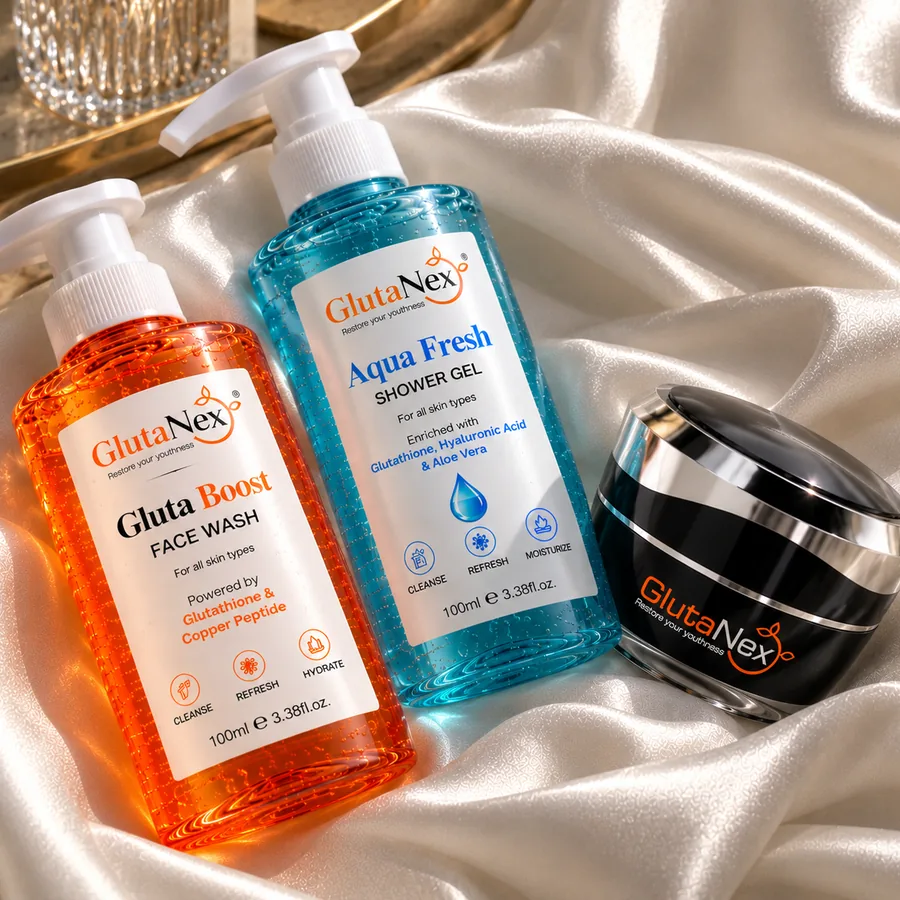
- Wash your face with a gentle face wash such as Gluta Boost Face Wash and pat dry.
- Wrap one ice cube in a clean, thin cotton cloth or handkerchief. Do not use bare ice straight from the tray.
- Glide it gently over the forehead, cheeks, nose and chin for about a minute in total. Keep it moving and never hold it on one spot for more than a few seconds.
- Pat the face dry with a clean towel.
- Wait 3 to 5 minutes until your skin feels dry and back to normal temperature.
- Apply a thin, pea-sized layer of glutathione cream on the face, avoiding the lips and the skin right at the lash line.
- Sunscreen every morning, SPF 30 or higher.
For the full face method, read how to use glutathione cream.
What ice can and cannot do
Cold briefly narrows small blood vessels near the surface, so skin can look less red and puffy and feel tighter for a short time. That is why ice feels good on tired morning eyes or after a hot commute. The effect fades as the skin warms up. Ice does not close or shrink pores, does not remove tan or dark spots, and does not make a cream absorb more deeply. Pores are shaped by oil, genes and age; our glutathione for open pores guide explains what helps them look smaller over time.
Ice in the morning: puffiness and makeup
Many people use ice in the morning, before makeup. That is fine, but remember the GlutaNex Night Cream is for night only. A good morning order is: gentle wash, wrapped ice for a minute, pat dry, a light moisturiser, sunscreen, then makeup. For under-eye puffiness, a cold spoon or a cool damp cloth works much the same as ice and is gentler on thin skin. Dark circles are a different matter; see glutathione for dark circles, and for makeup timing see makeup after glutathione cream.
Ice cube mixes: what is fine and what to skip
| Idea | Our view |
|---|---|
| Glutathione cream frozen into ice cubes | Never. Freezing and thawing can break the cream's texture and adds water to it |
| Plain water ice, wrapped in cloth | Best choice; simple and clean |
| Frozen aloe vera gel cubes | Fine for most skin if the gel is plain; see glutathione and aloe vera |
| Frozen cucumber or rose water cubes | Fine if made fresh and used within a few days; see glutathione cream with cucumber |
| Frozen rice water cubes | Fine for most skin; see rice water with glutathione cream |
| Frozen lemon, coffee or tomato cubes | Skip. Acidic or staining, and easy to irritate with |
A special note on GlutaNex Night Cream
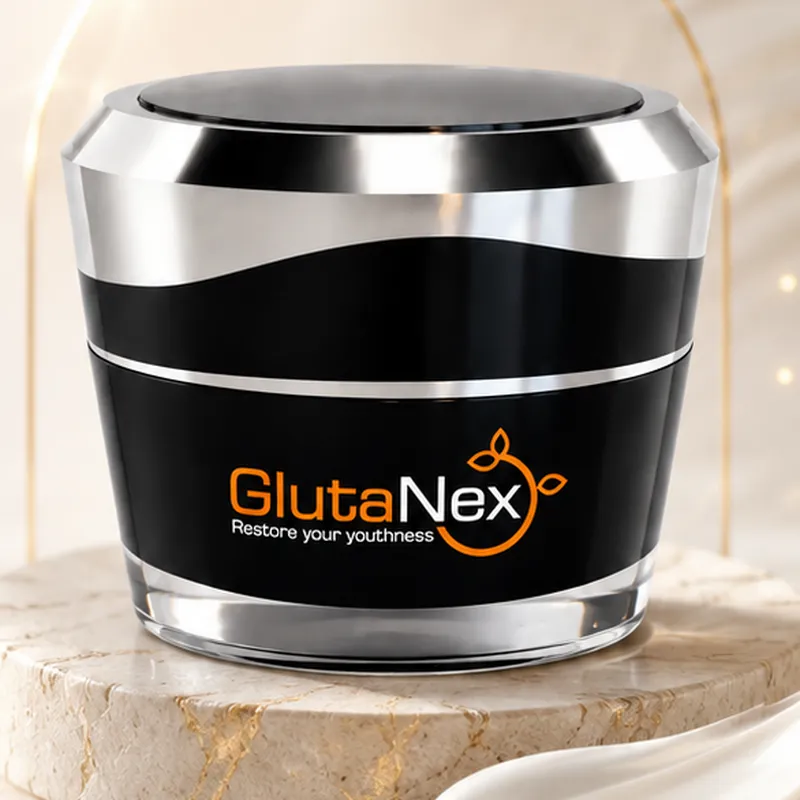
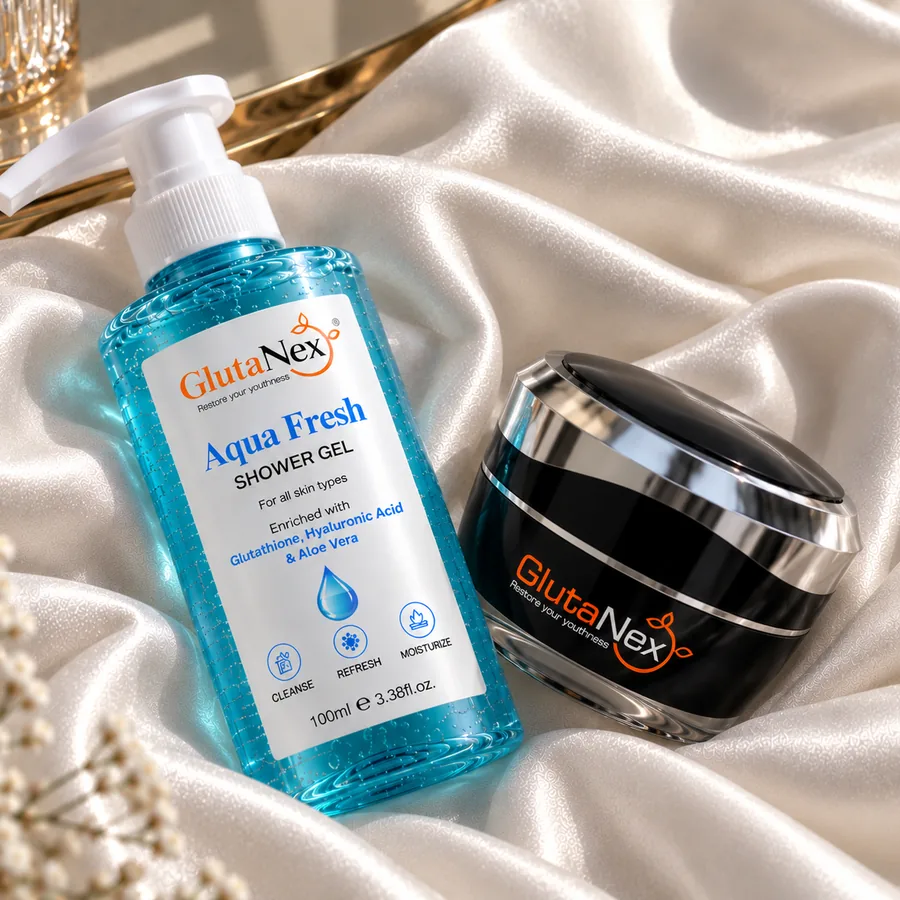
GlutaNex Glutathione Night Cream contains glutathione, niacinamide, hyaluronic acid, vitamin C, retinol, ceramides, salicylic acid, peptides, aloe vera, turmeric and neem. Because of the retinol and salicylic acid, it is a night-only face cream.
- Start it 2 to 3 nights a week. A minute of wrapped ice before it is fine once your skin is used to the cream.
- Do not put the cream on cold, wet skin. Wait until the skin is dry and back to normal temperature.
- If retinol has made your skin dry or flaky, skip ice too; cold air and ice can make tight skin feel worse.
- If your face stings after the cream, wash it off and read glutathione cream burning.
Who should skip ice on the face
- Very dry or winter-cracked skin, especially in cold North Indian winters; see glutathione cream in winter.
- Sensitive or easily red skin, or broken veins on the cheeks; see glutathione cream for sensitive skin.
- Anyone whose fingers turn white or blue in the cold, or who has a condition that makes them very sensitive to cold. Ask your doctor first.
- Open cuts, picked pimples or freshly waxed skin.
When to see a dermatologist
See a dermatologist if your skin stays red, blistered, numb or painful after ice, if facial redness and flushing keep coming back, or if puffiness around the eyes lasts for days. These need a doctor rather than a home remedy.
General information about cosmetic skincare, not medical advice. Results vary from person to person. See a dermatologist for persistent or changing pigmentation.
More glutathione guides
Glutathione: what it is, what it does for skin, and how to use it safely
The complete guide: what glutathione is, how it affects skin, every form compared, and the research.
GuideGlutathione cream with olive oil: can you use both?
Can you use olive oil with glutathione cream? Yes, on dry skin, as a few drops pressed over the cream or on body patches, never mixed into the jar. Right order, who should skip it, winter tips and honest results.
GuideGlutathione cream with green tea: how to use both
Can you use green tea with glutathione cream? Yes: a cooled green tea rinse or toner on clean skin before the cream, or a chilled tea bag for puffy eyes. Right order, what to skip and an honest view of results.
 Night Cream
 Face Wash
 Glow Duo
 Shower Gel
 Wash + Gel Combo
 Cream + Gel Combo
 Glow Trio
